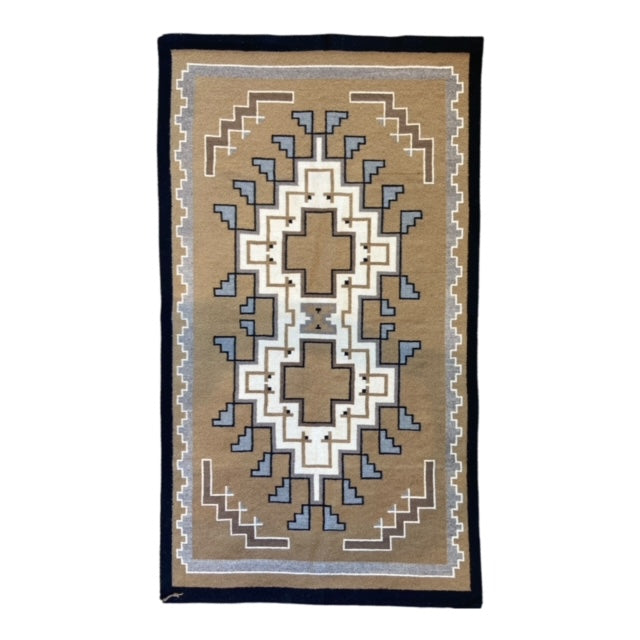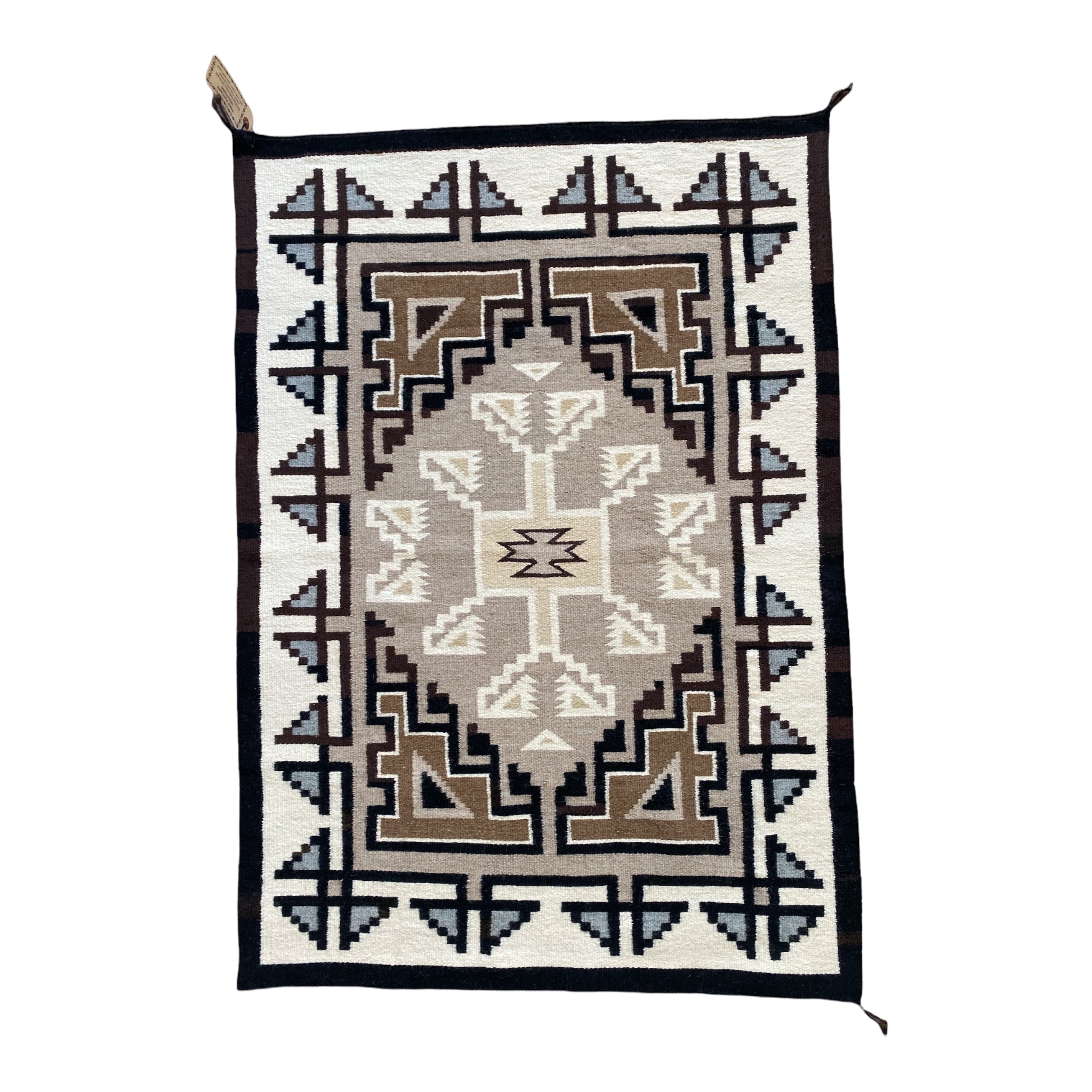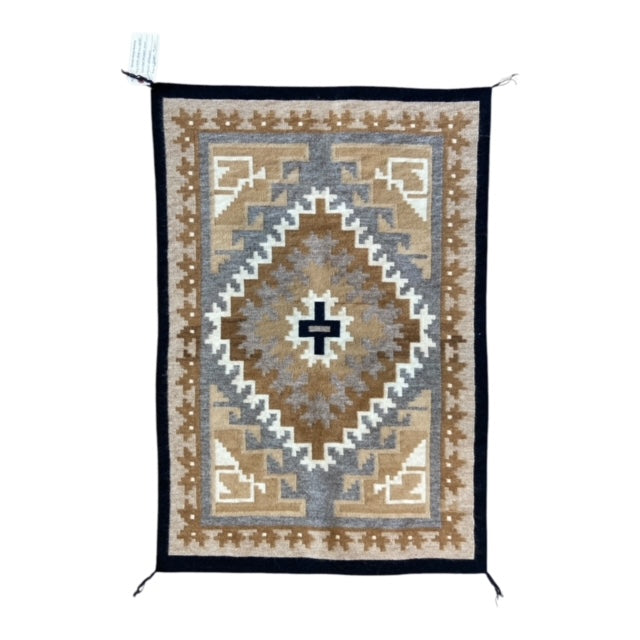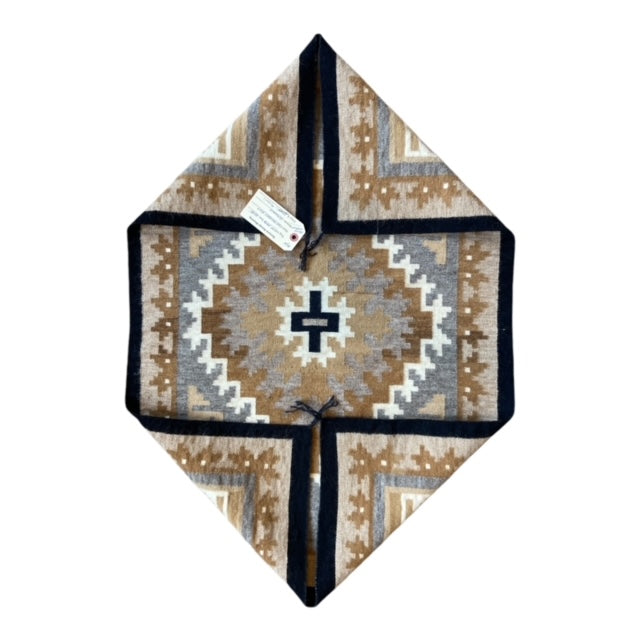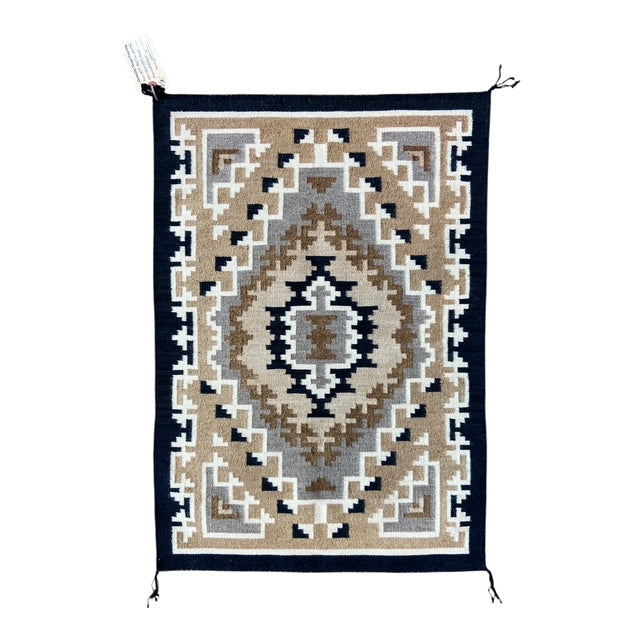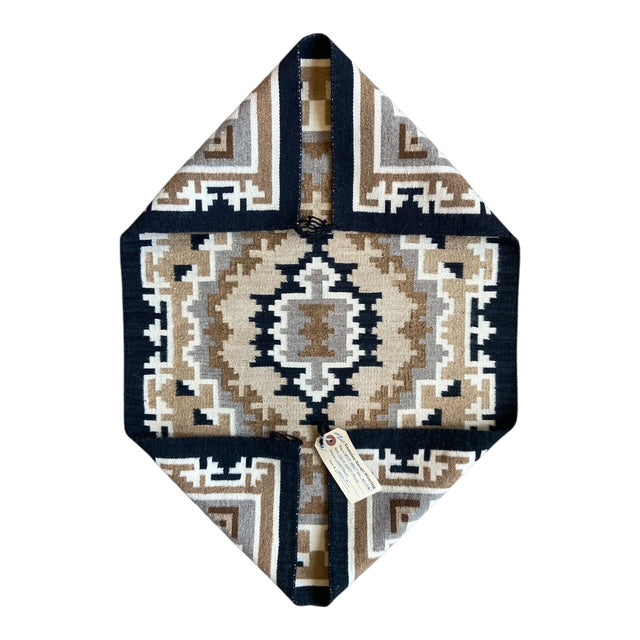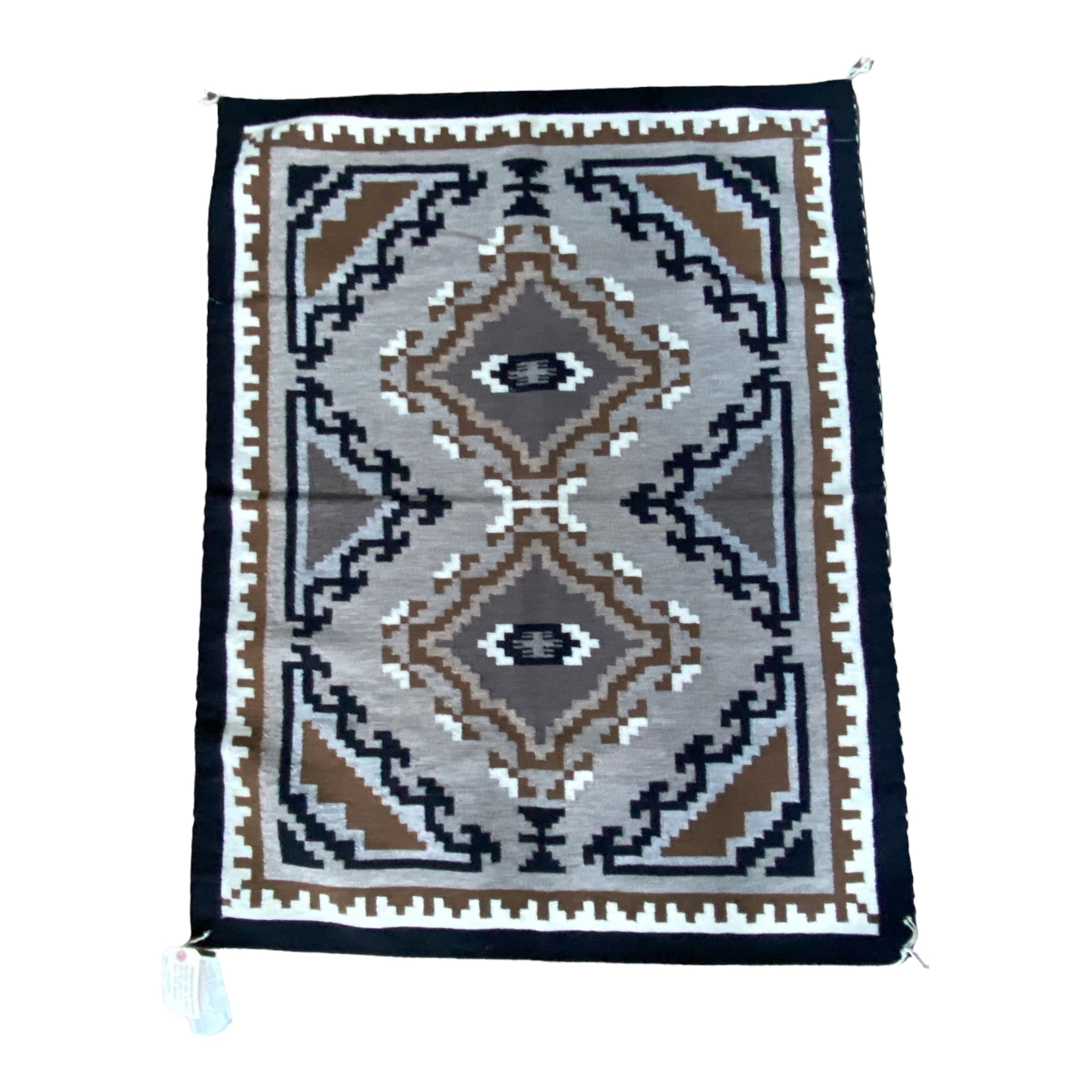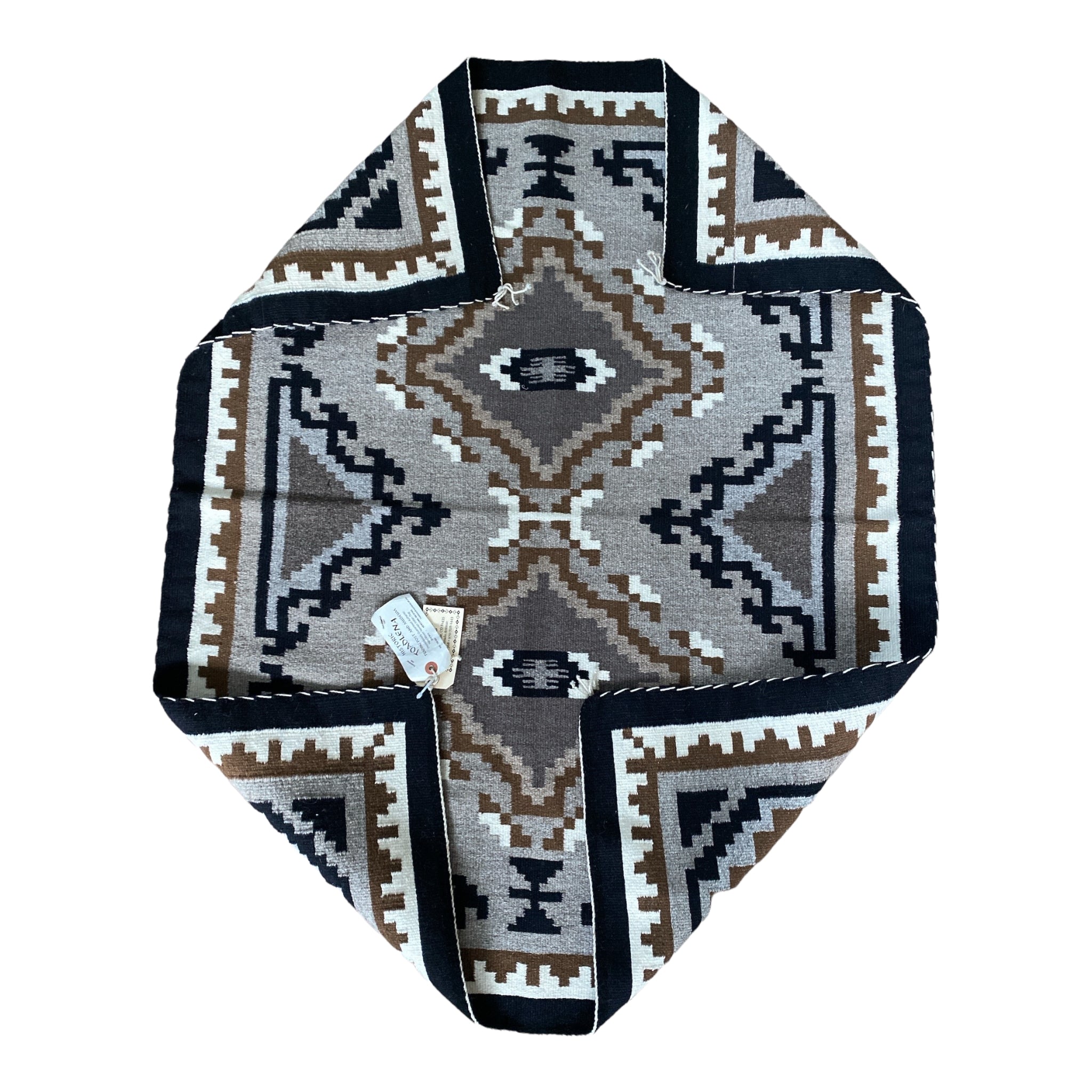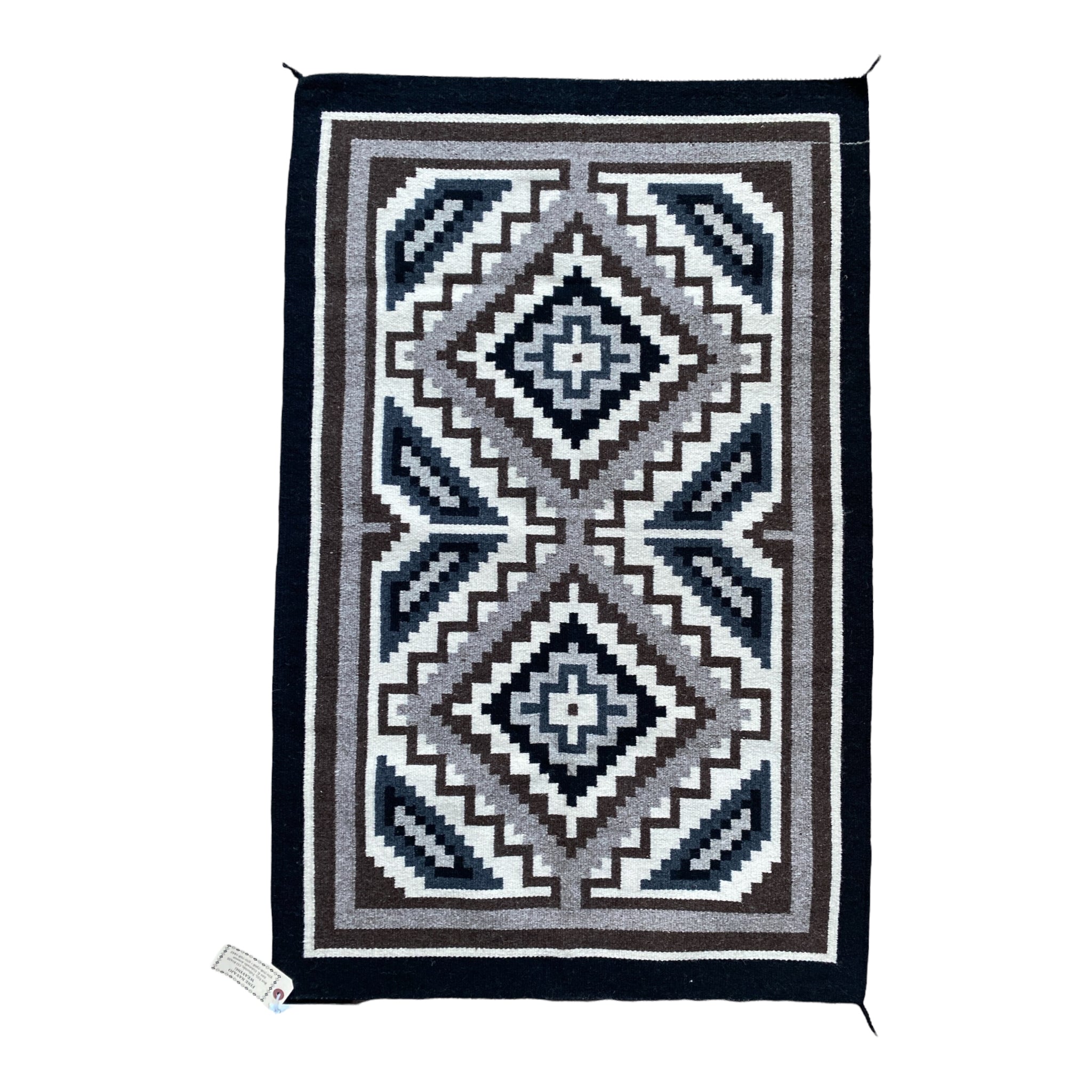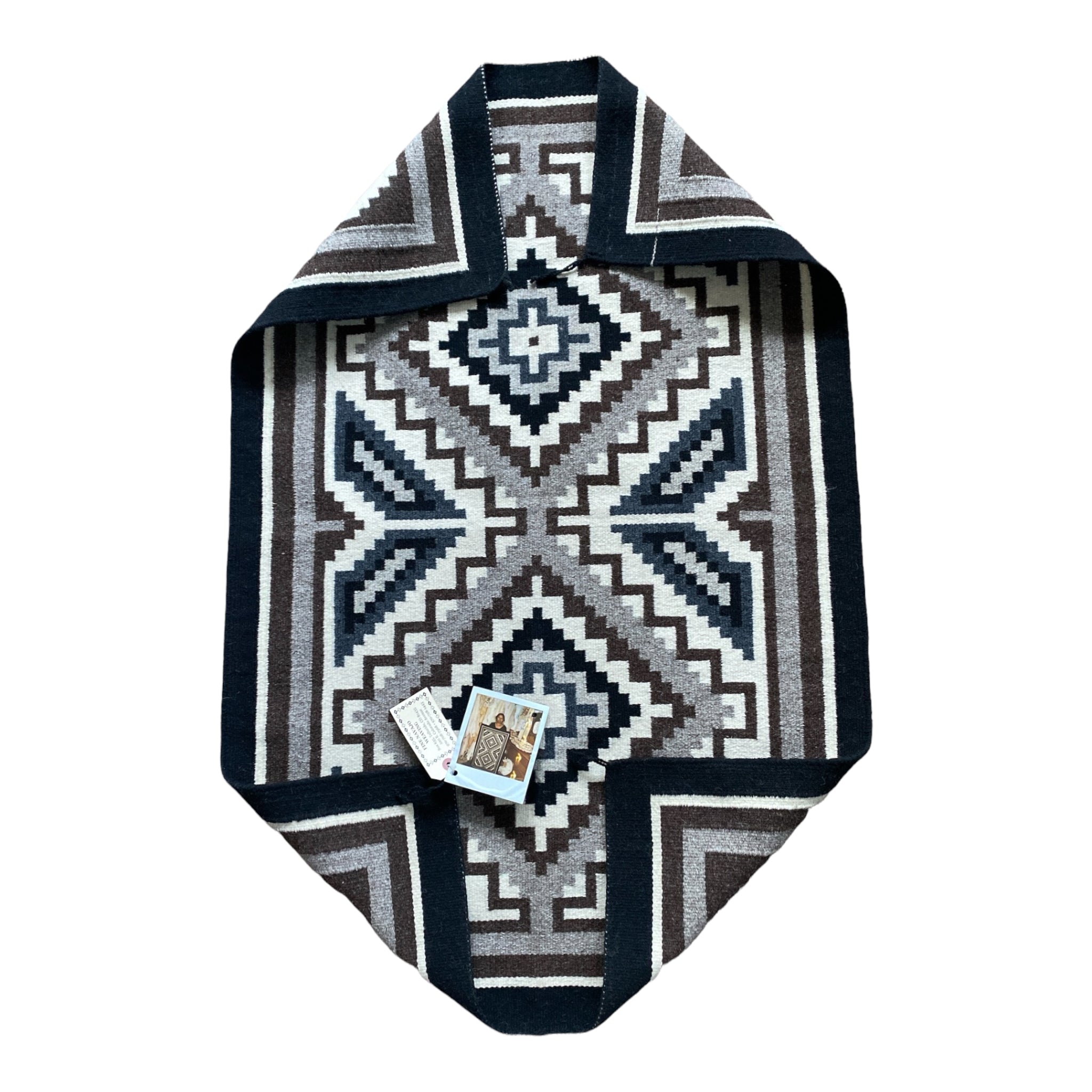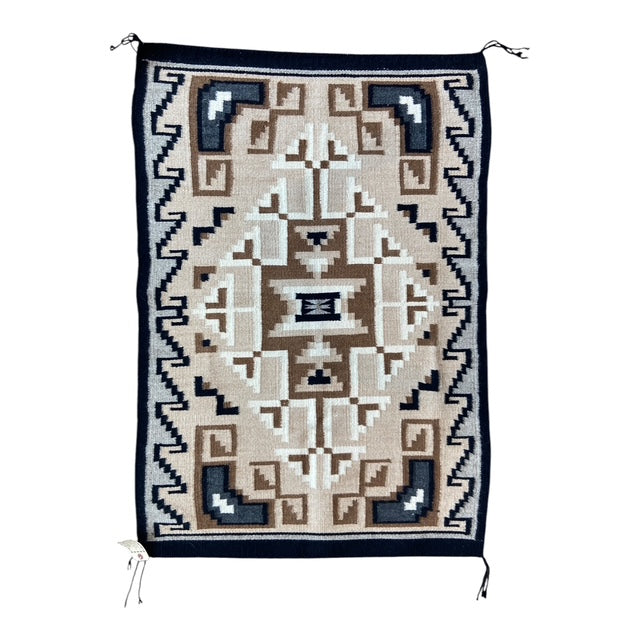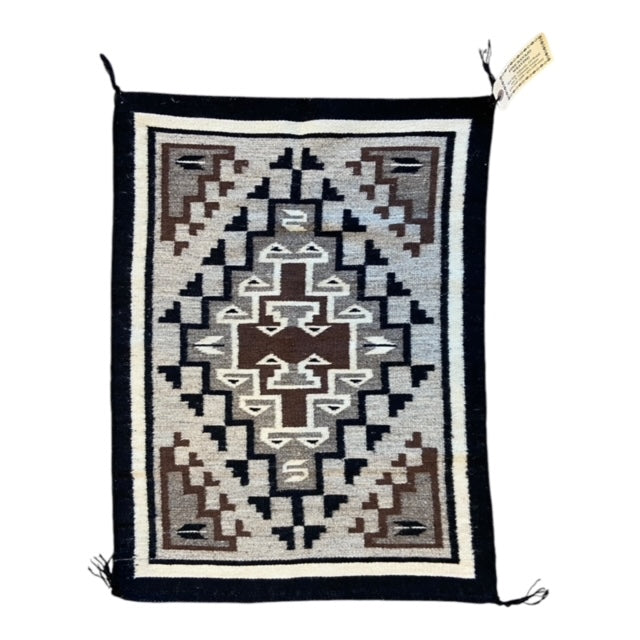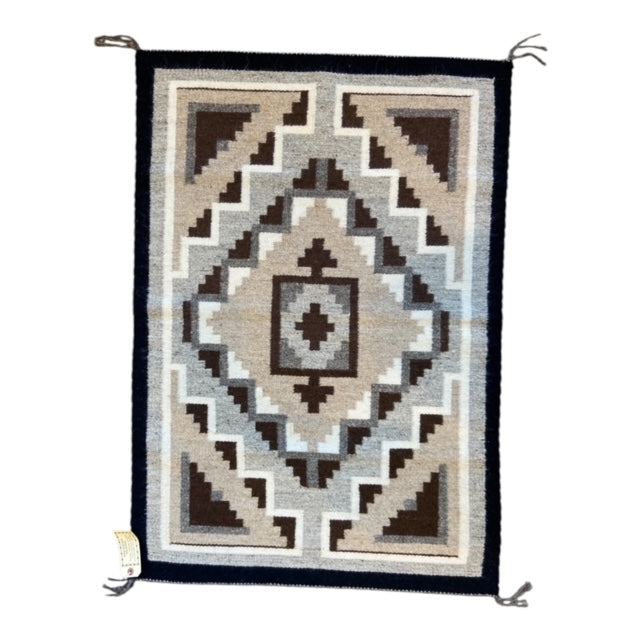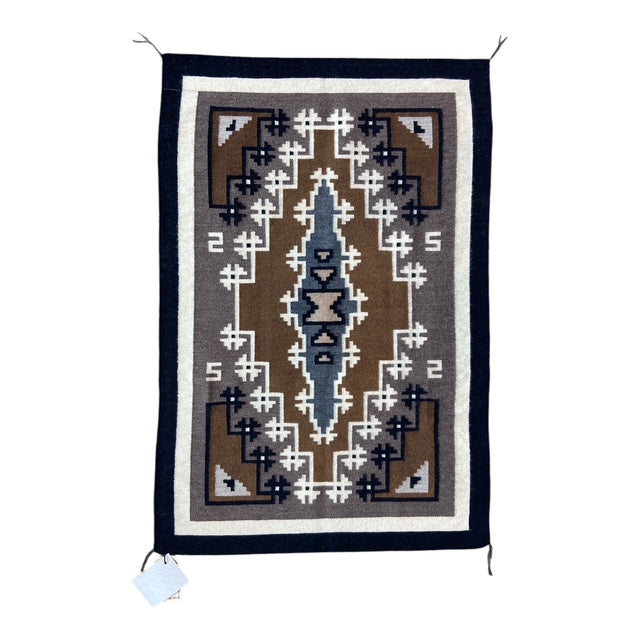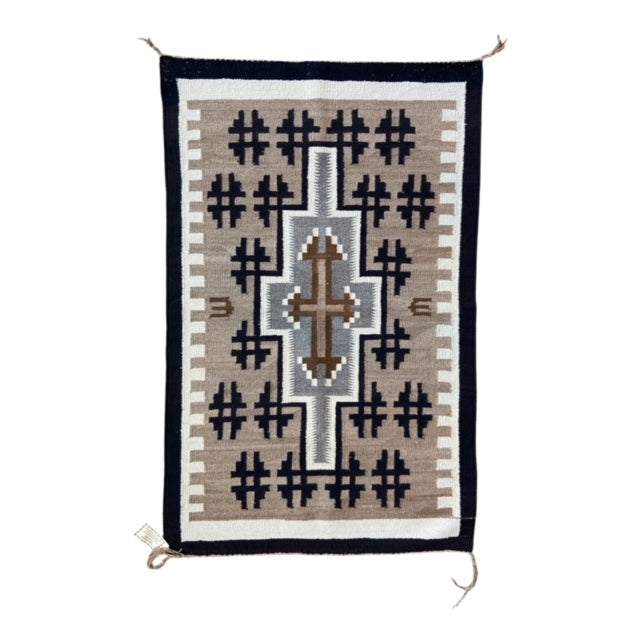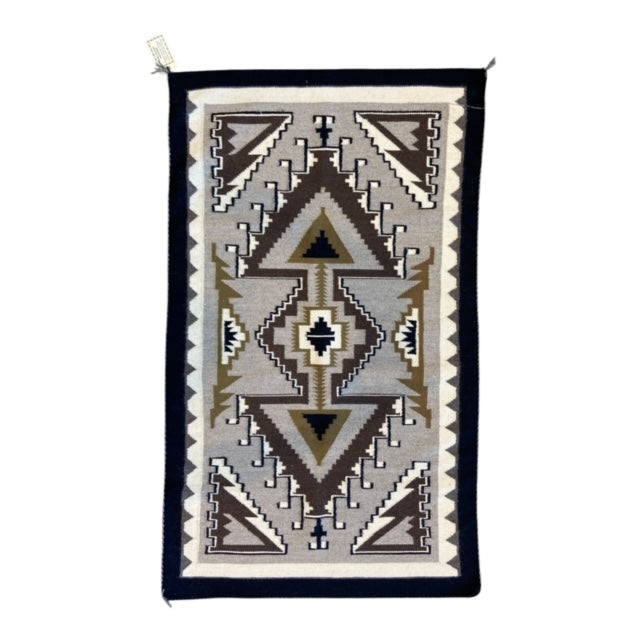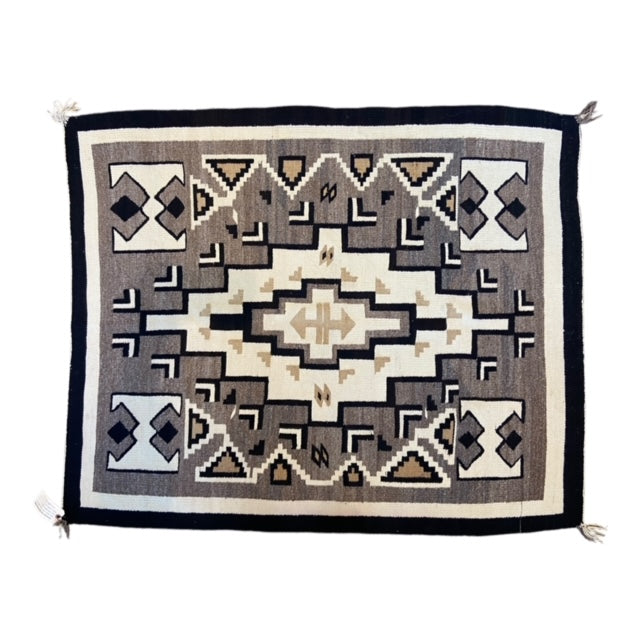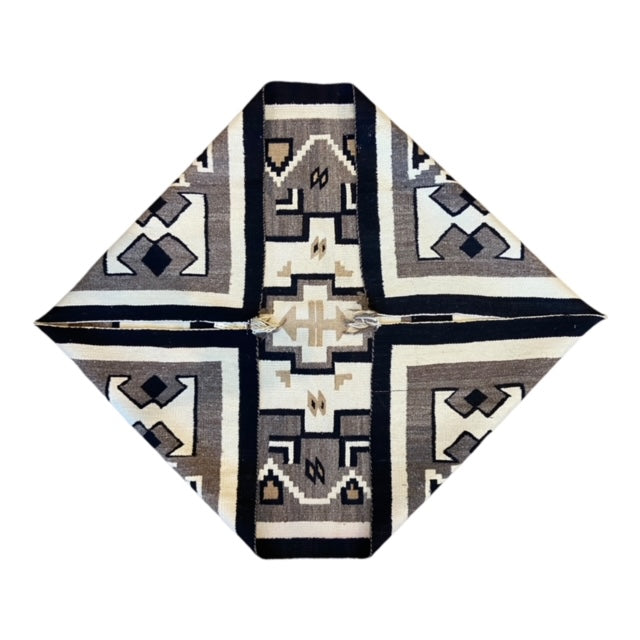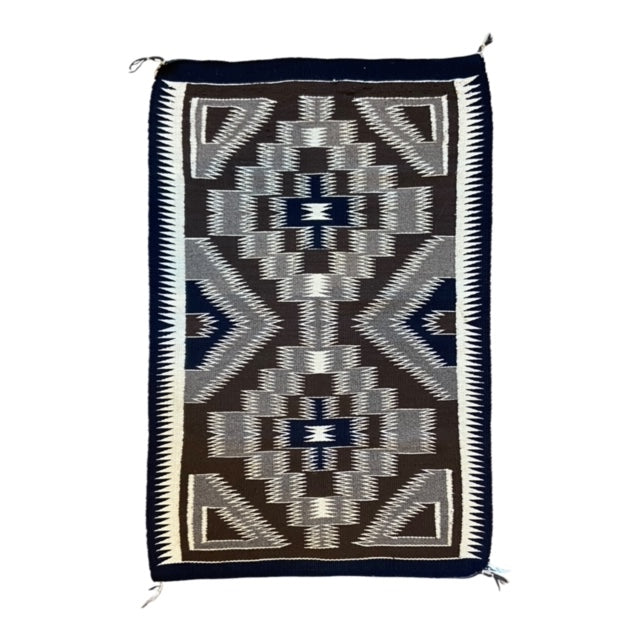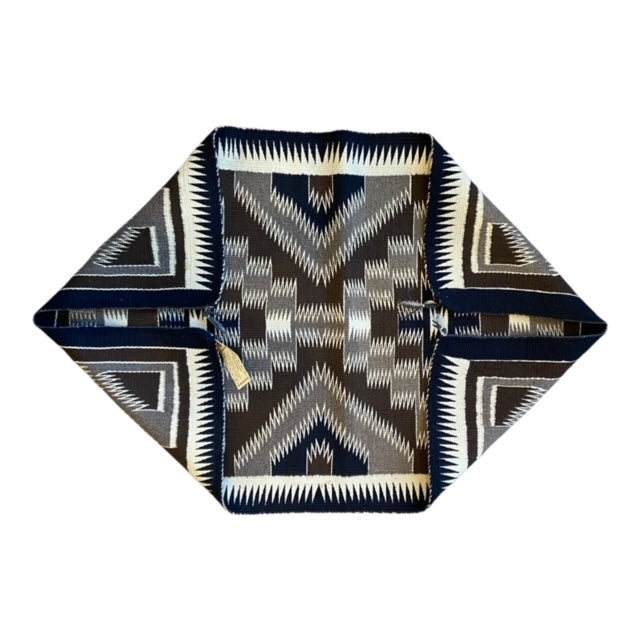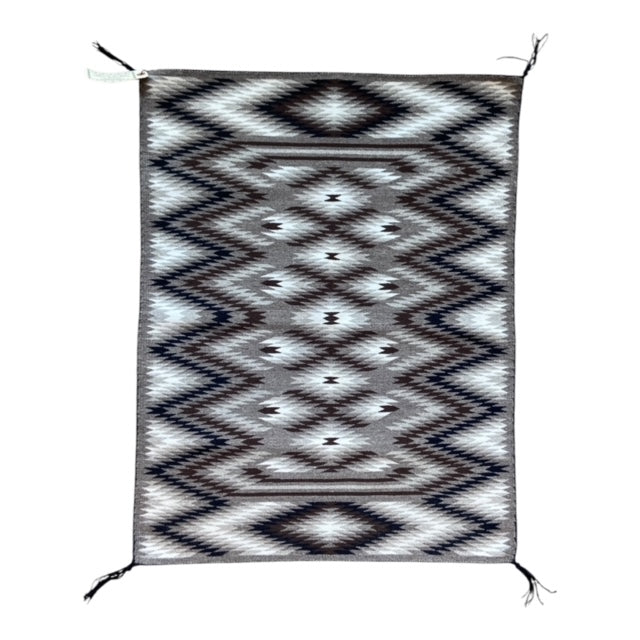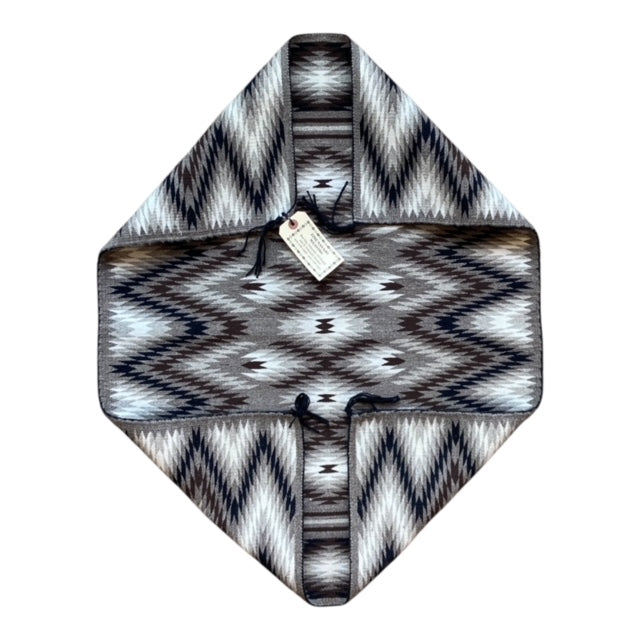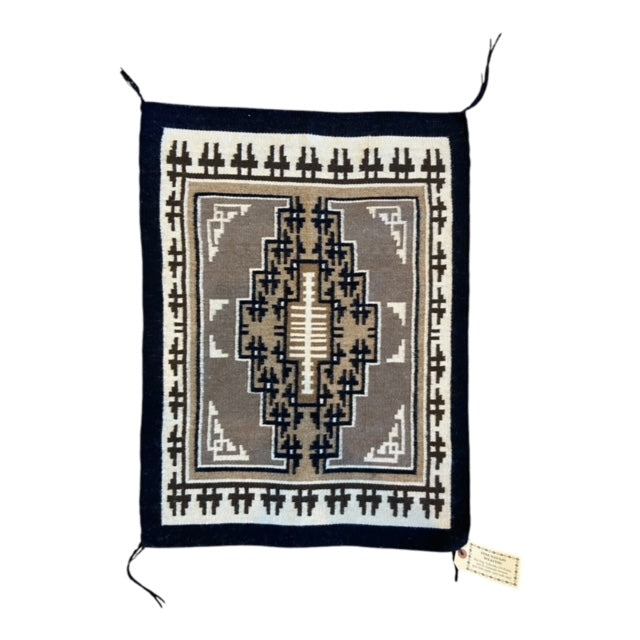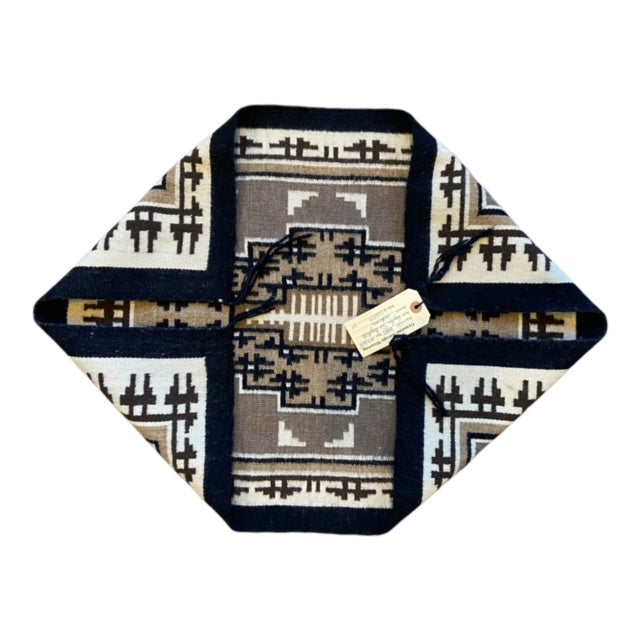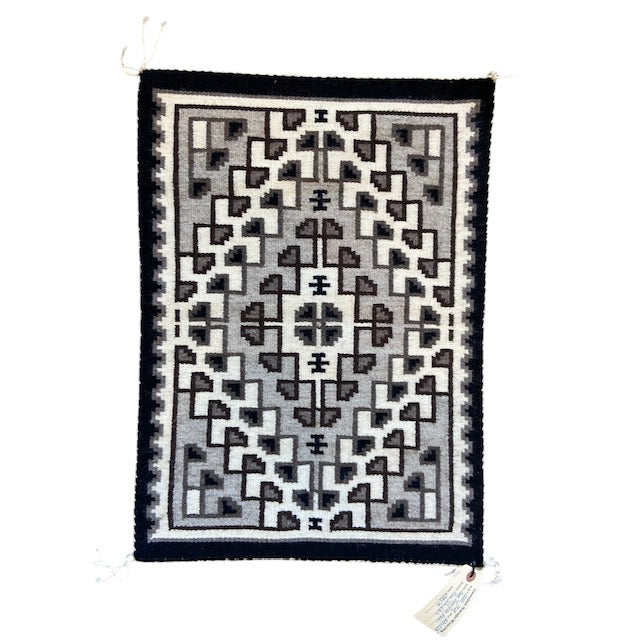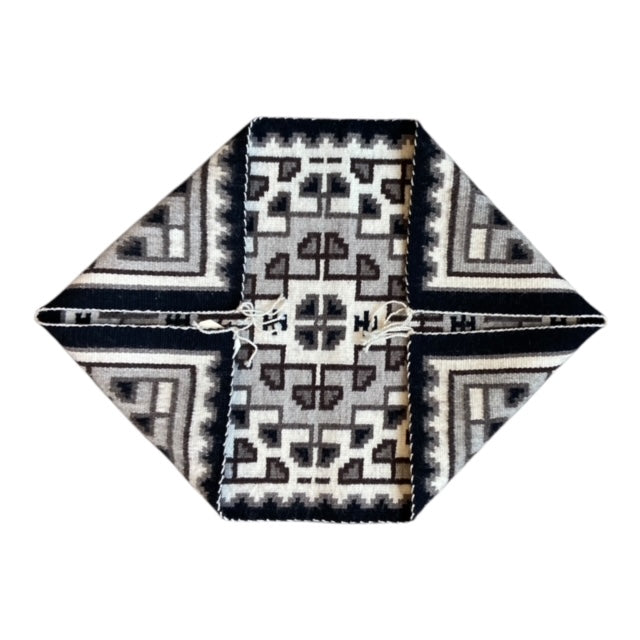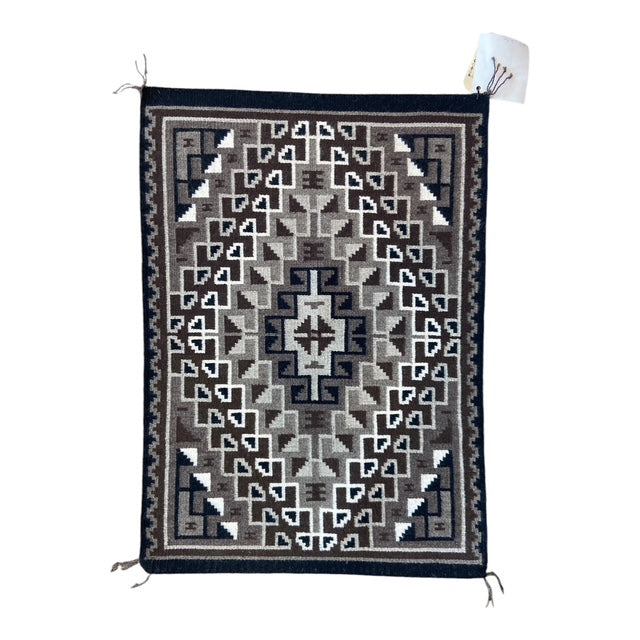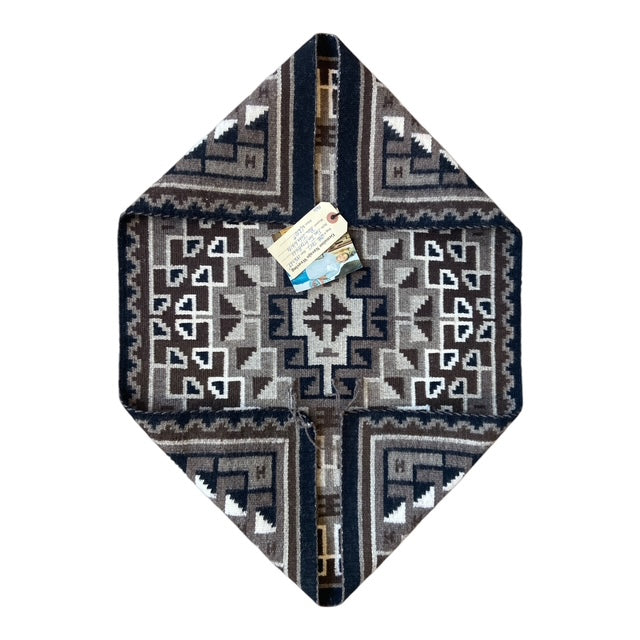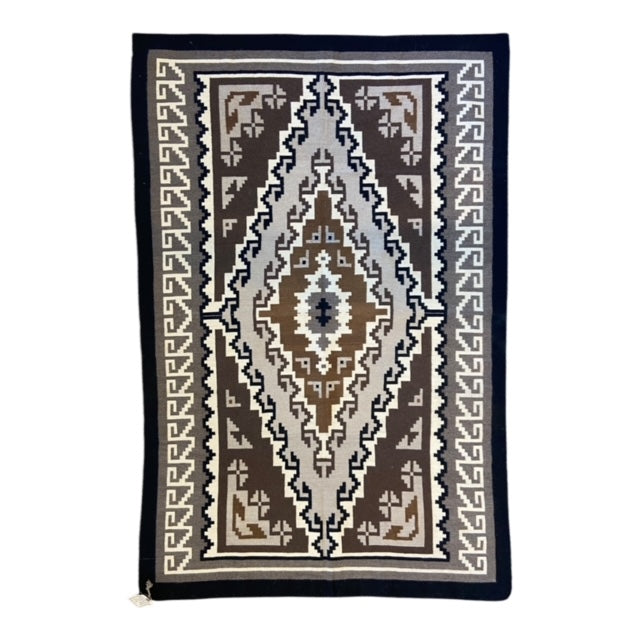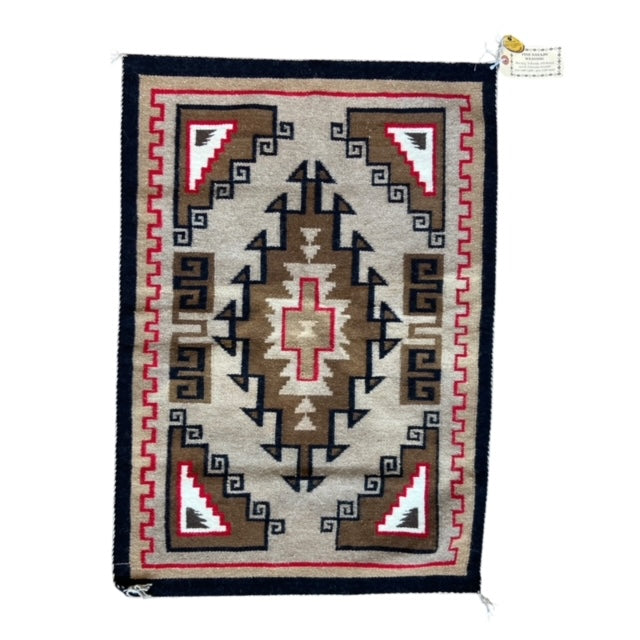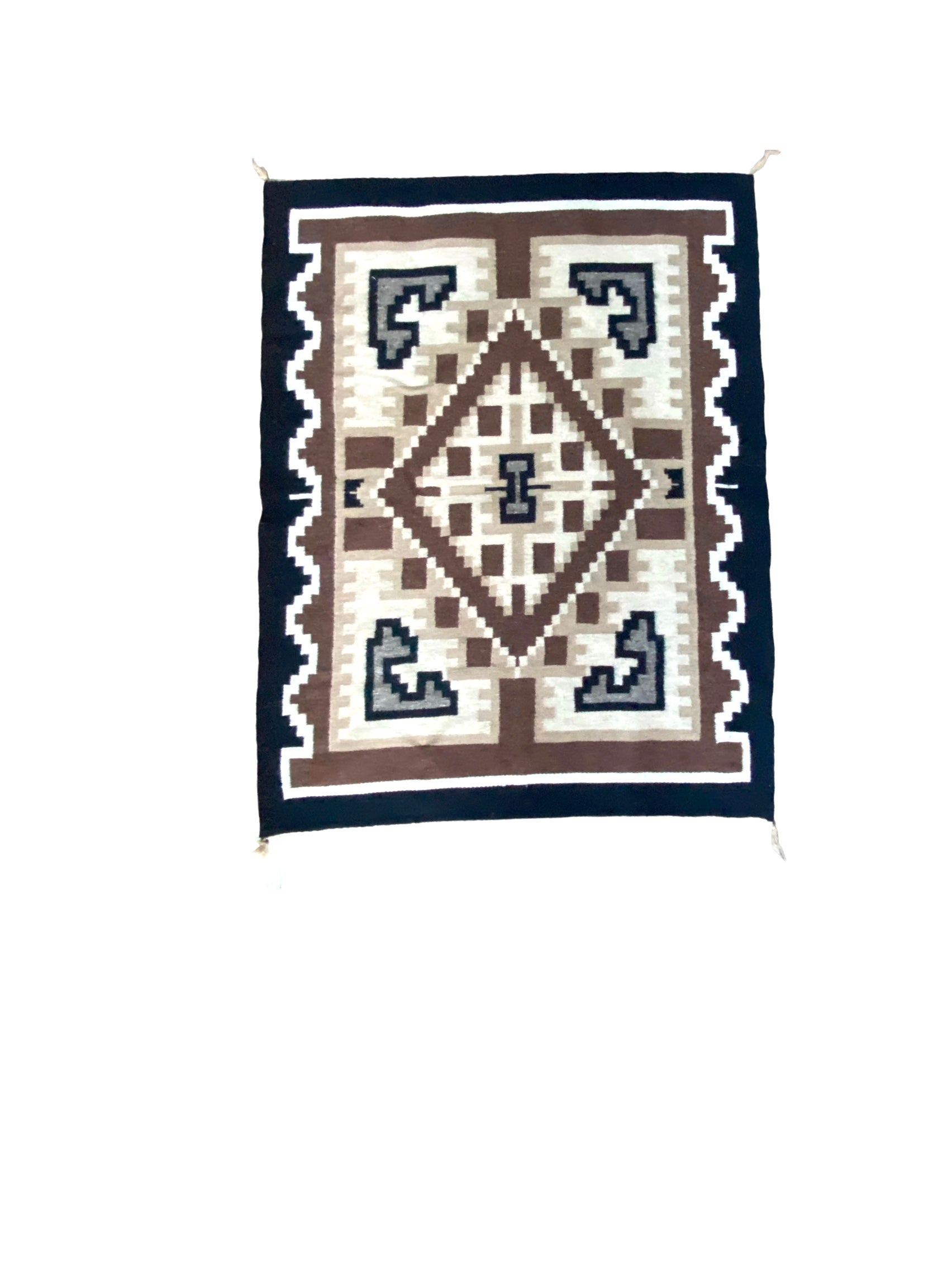
Two Grey Hills/Toadlena
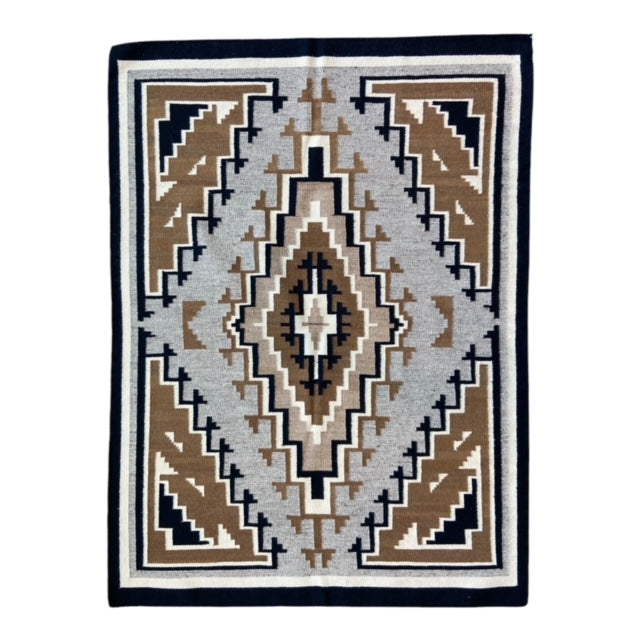
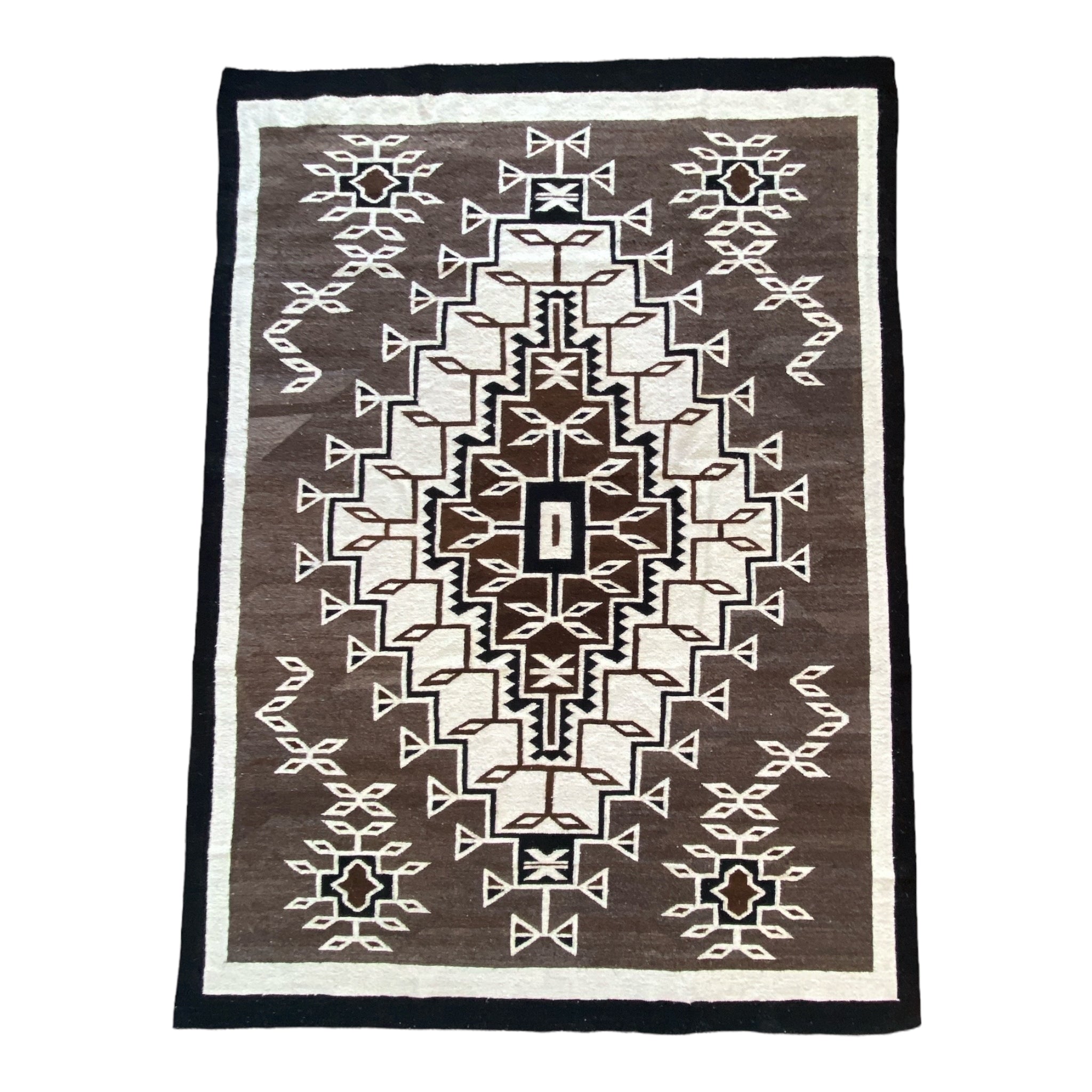
Two Grey Hills & Toadlena Navajo Rugs — The Finest Natural Wool Weavings in the Tradition
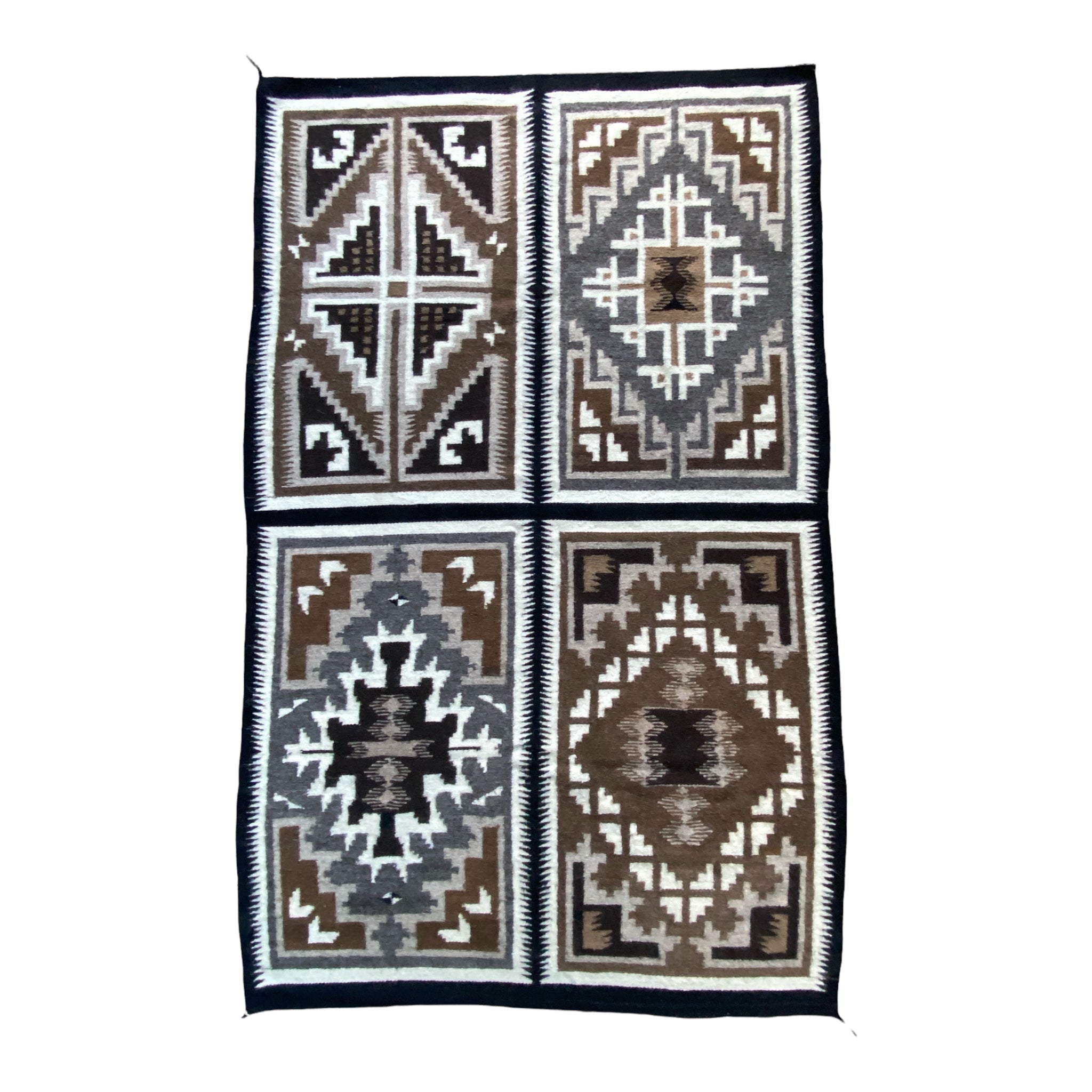
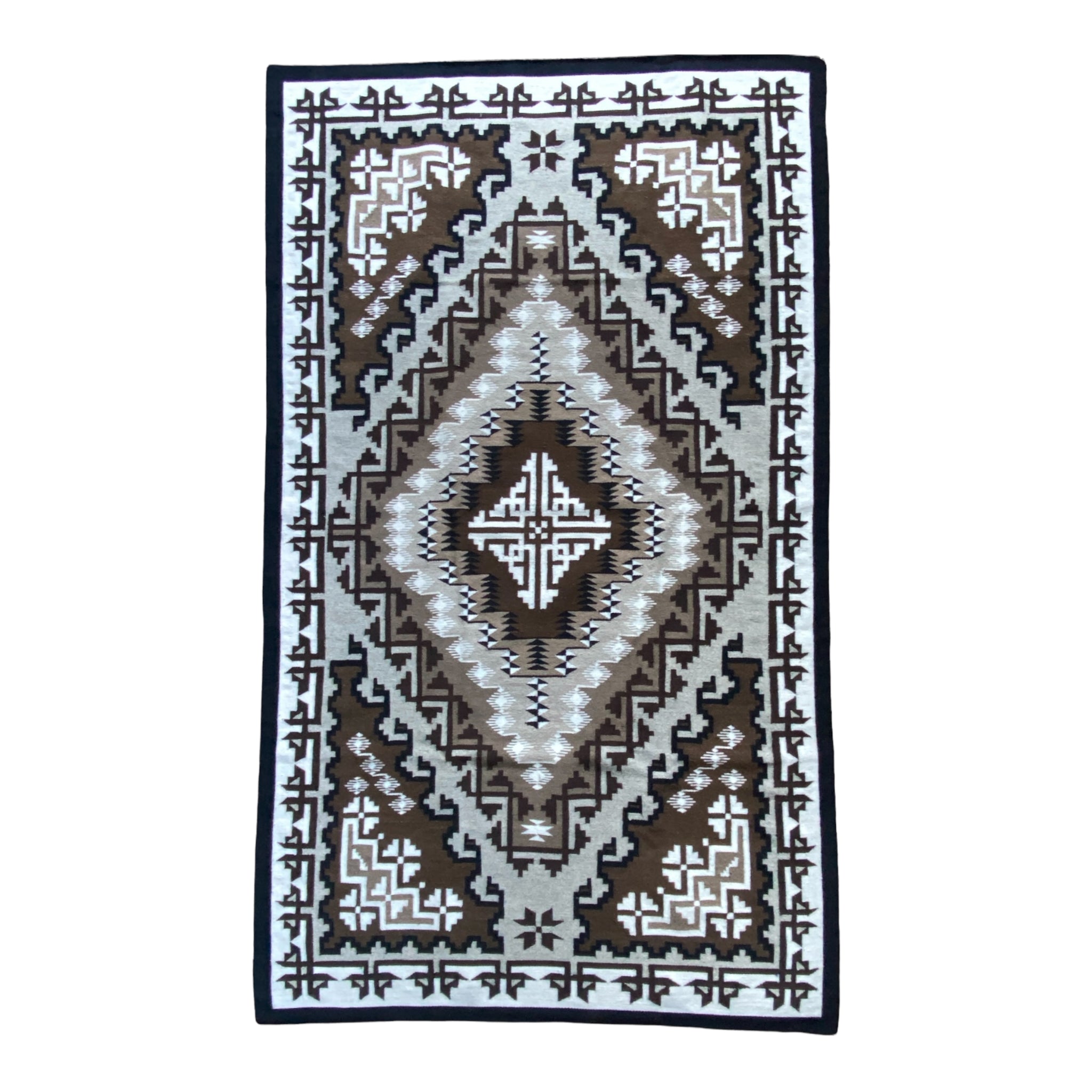
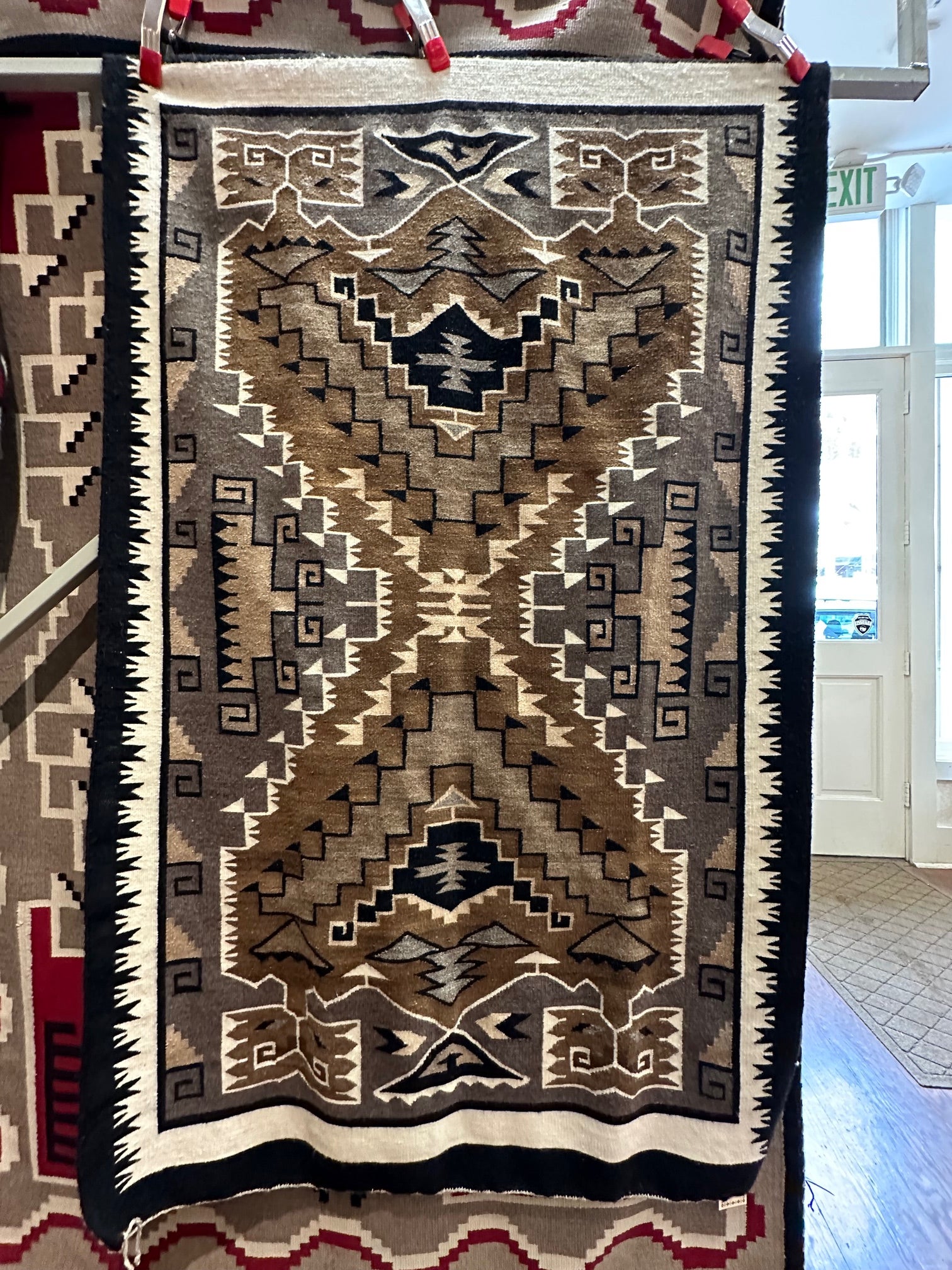
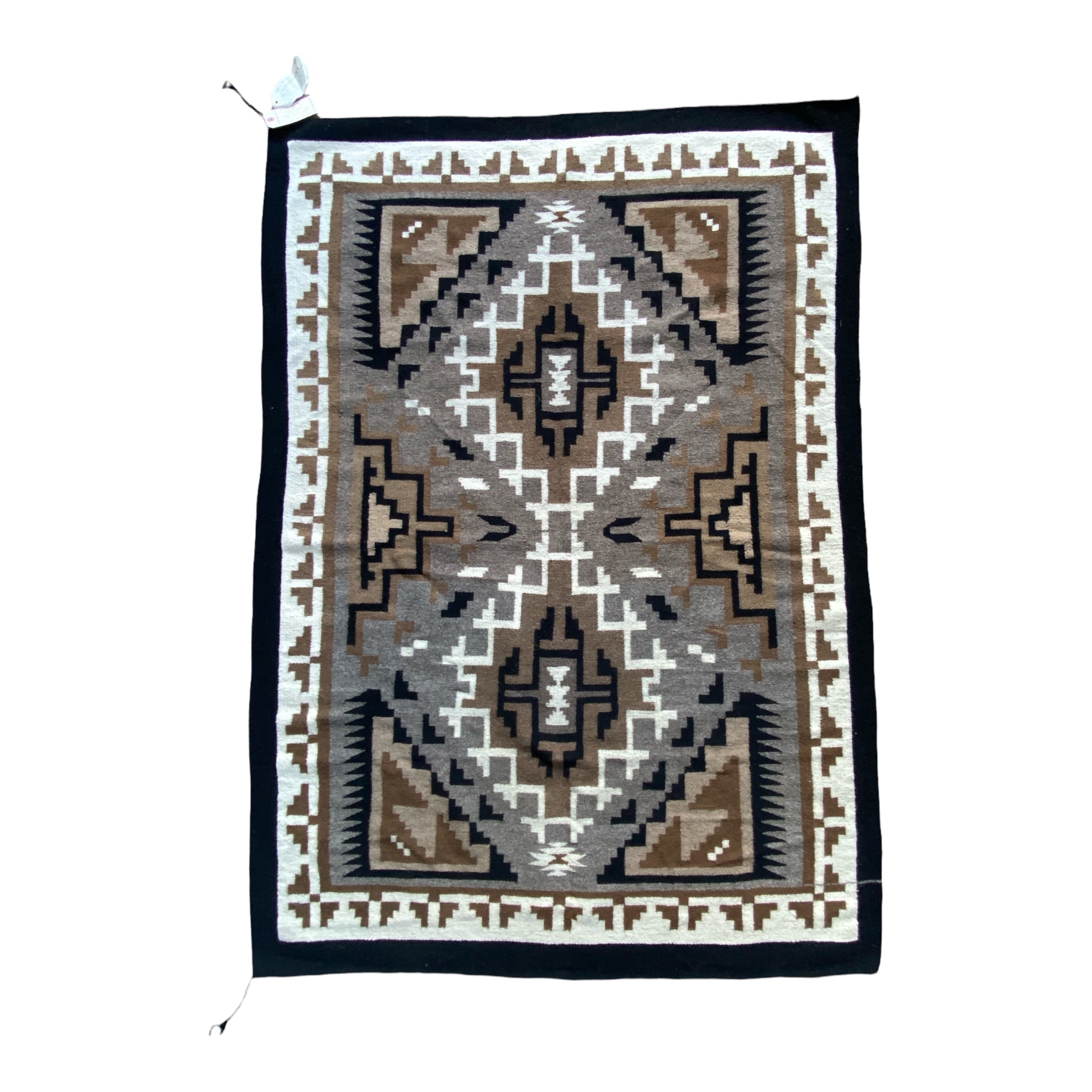
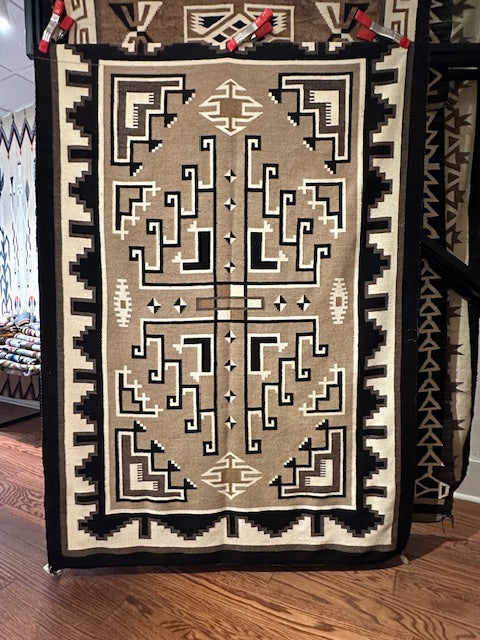
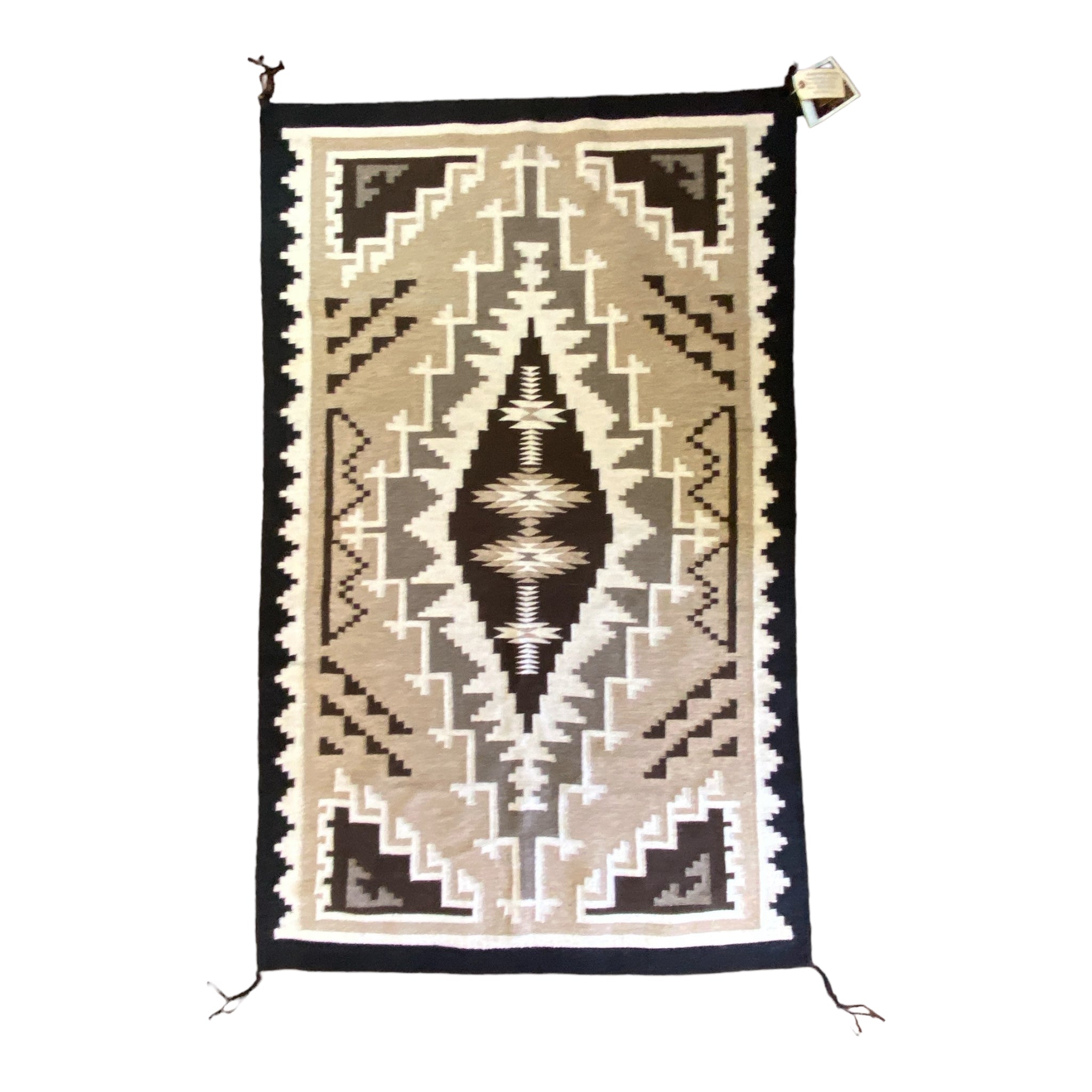
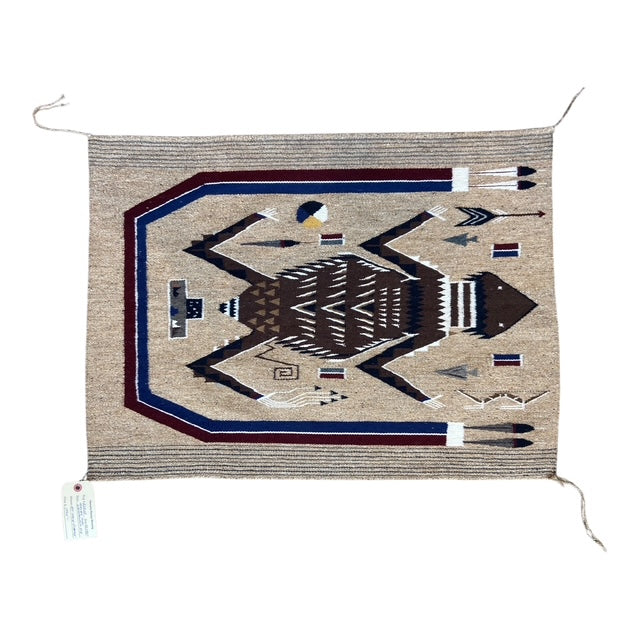
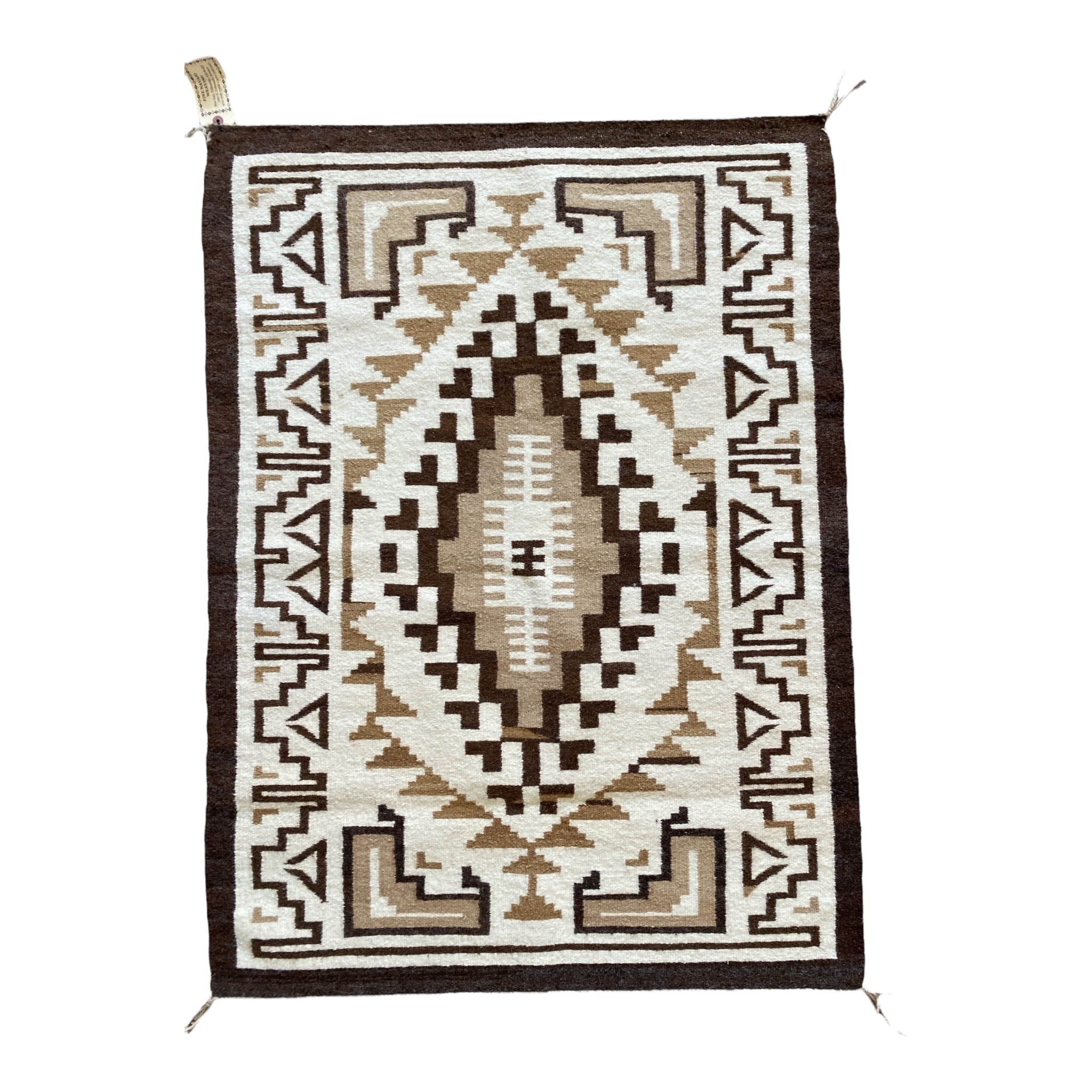
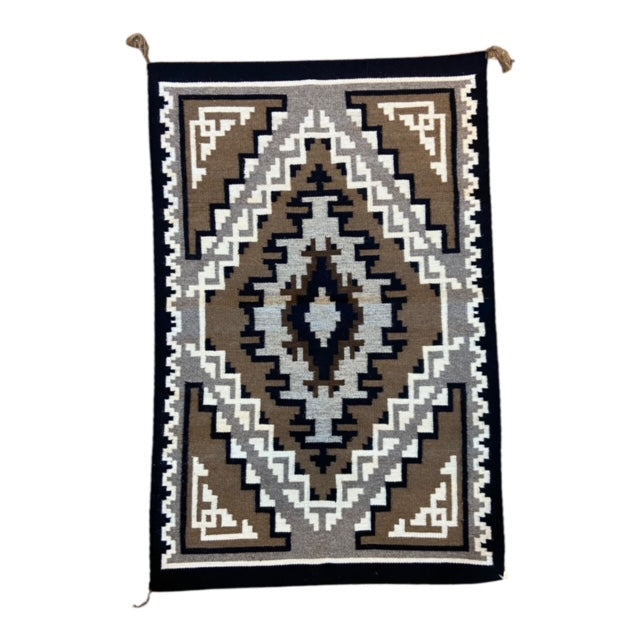
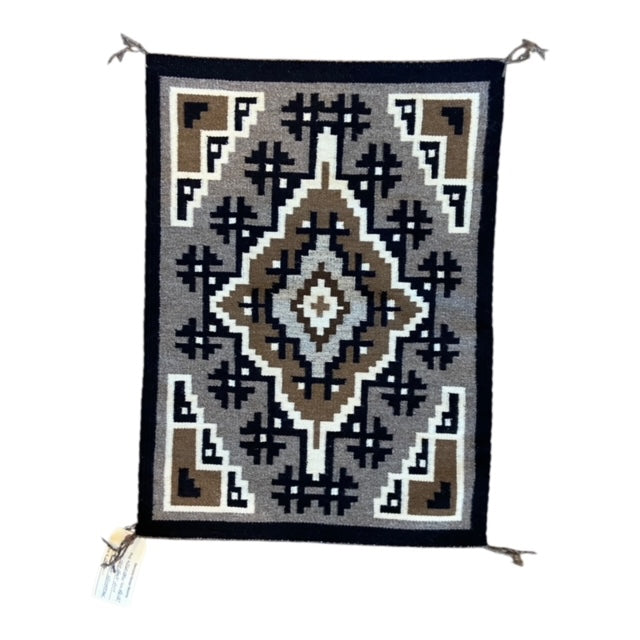
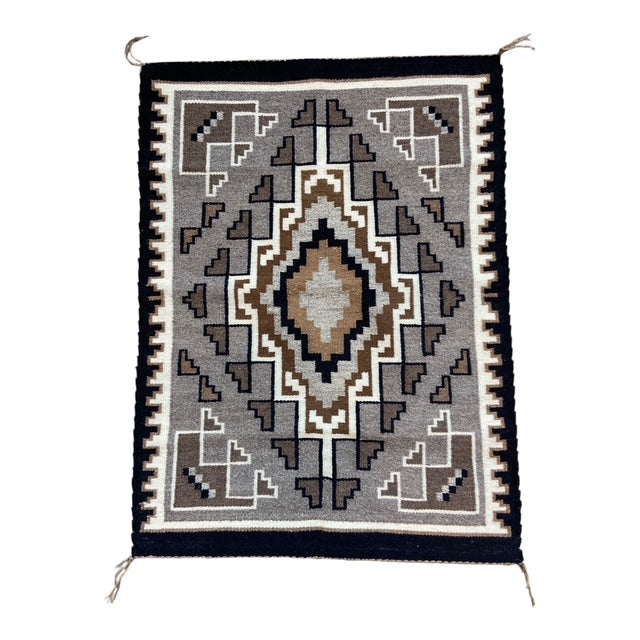
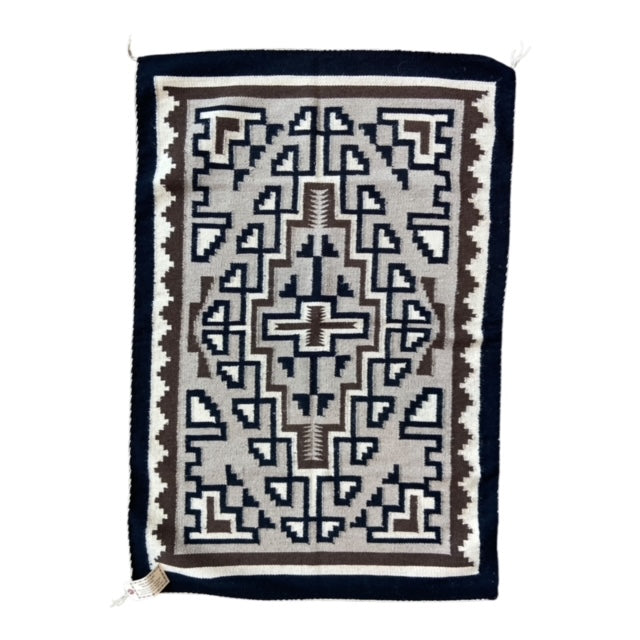
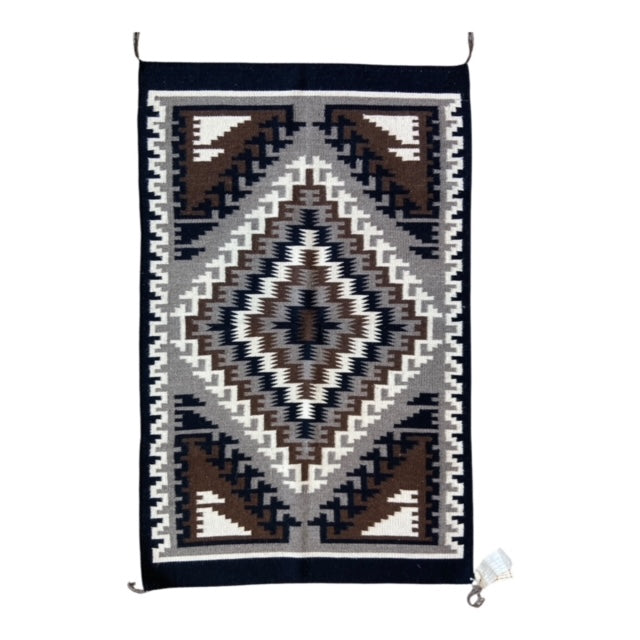
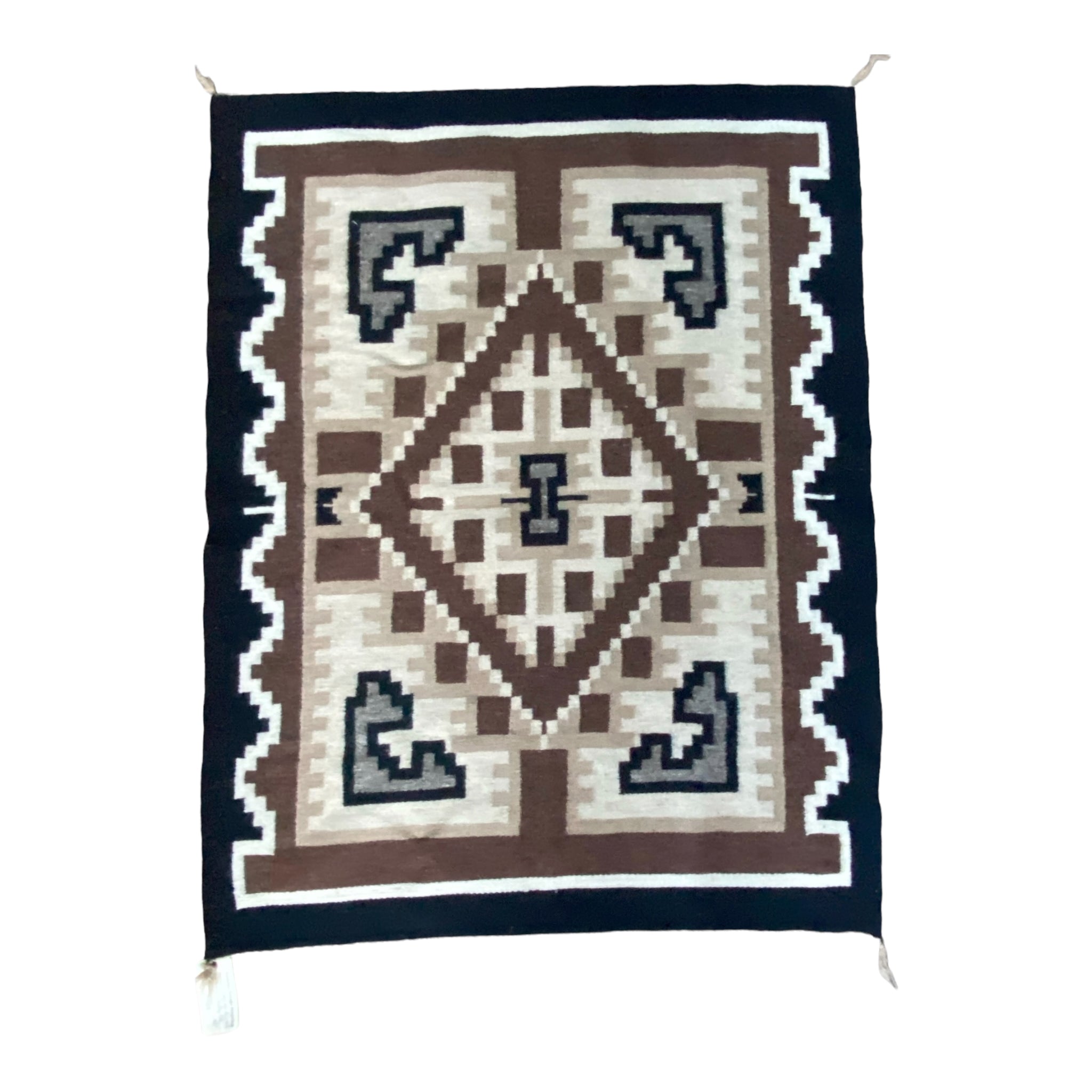
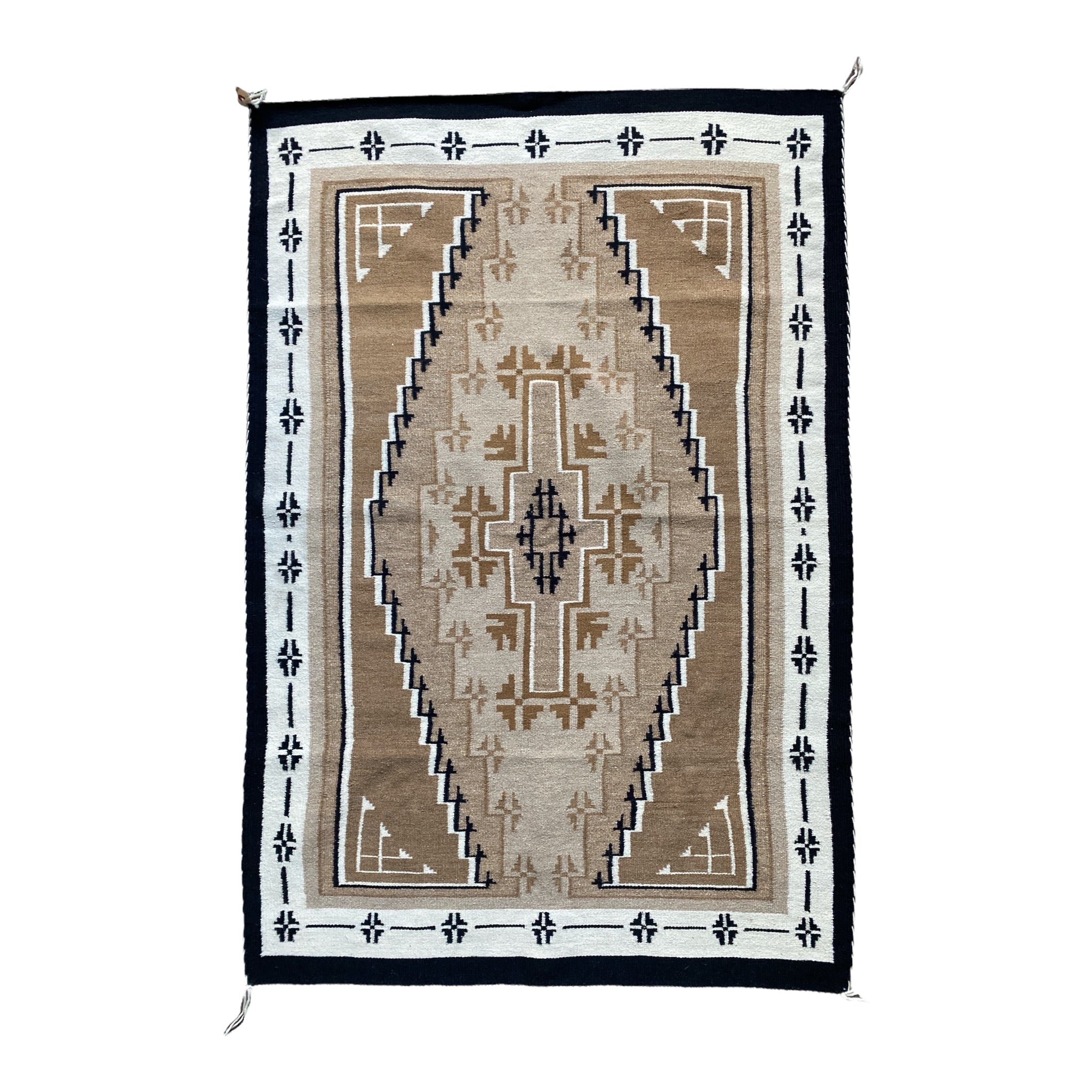
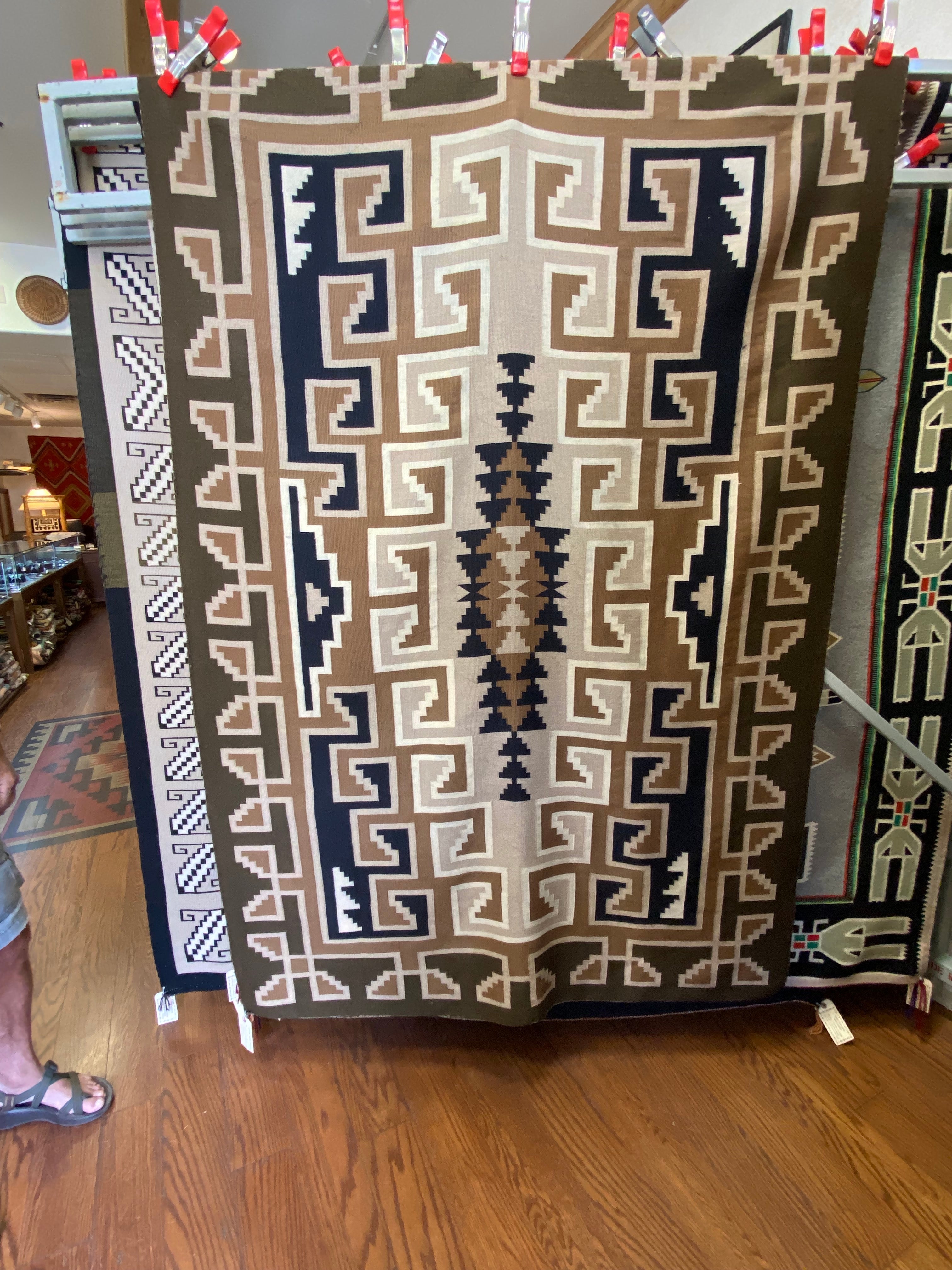
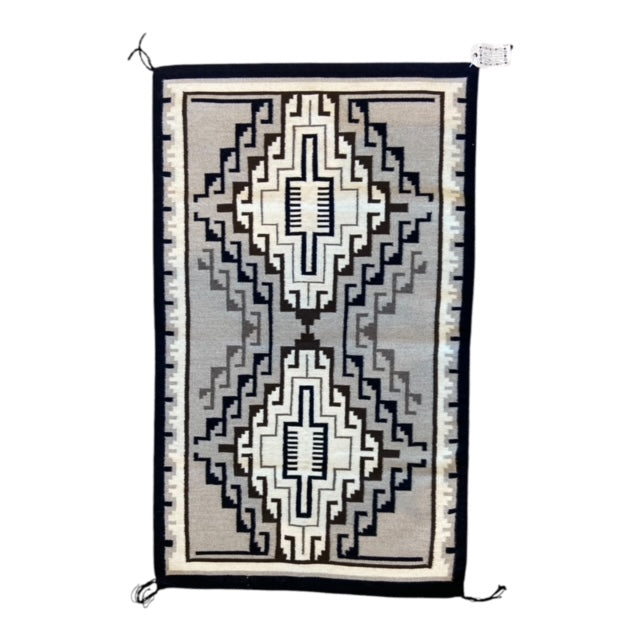
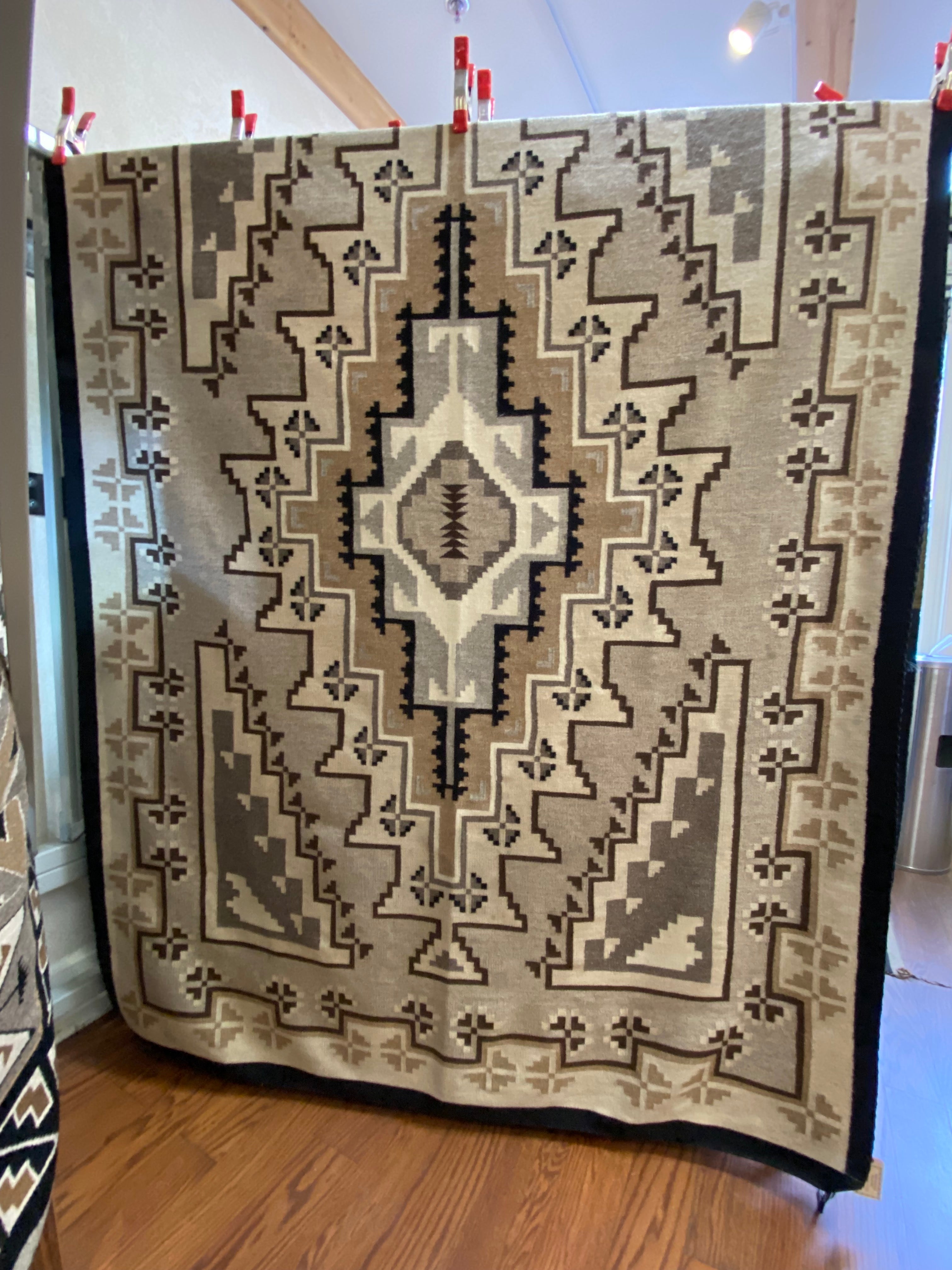
Among all regional Navajo weaving traditions, Two Grey Hills and Toadlena stand apart — widely regarded by collectors, museums, and textile scholars as the pinnacle of technical achievement in the history of Navajo weaving. The Gordon Collection has been seeking out exceptional examples of both since 1973, and our inventory reflects a deep, sustained relationship with this tradition.
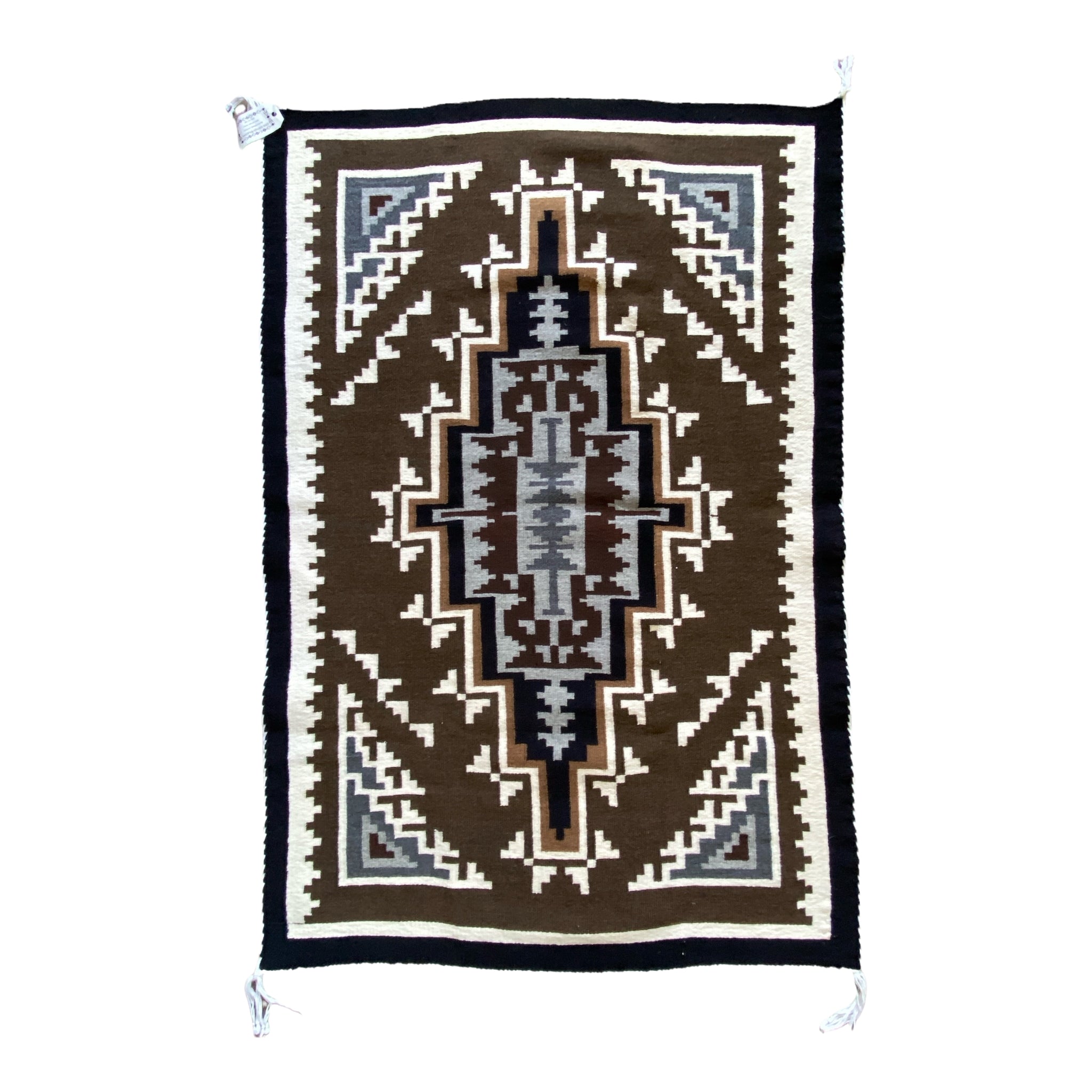
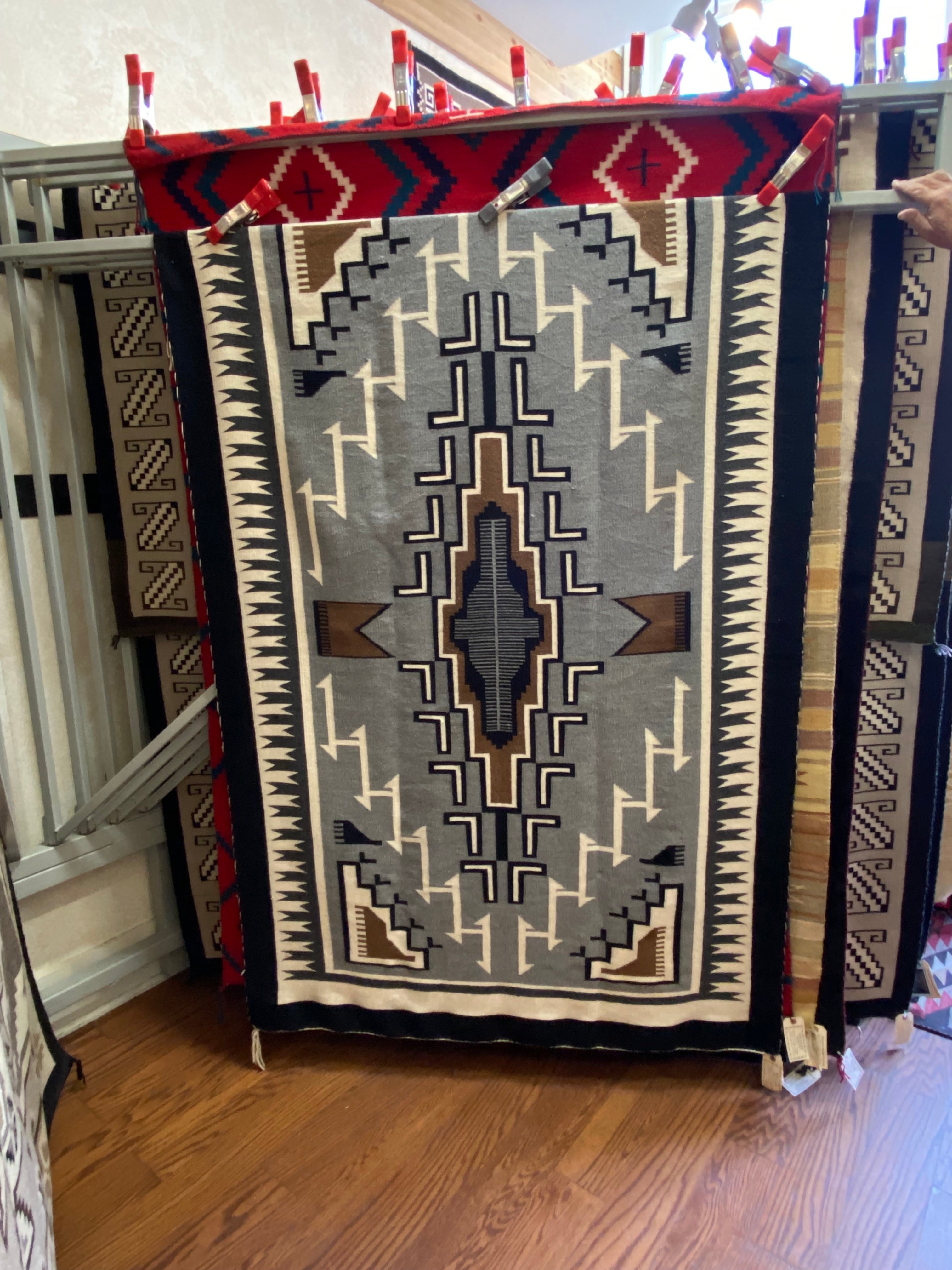
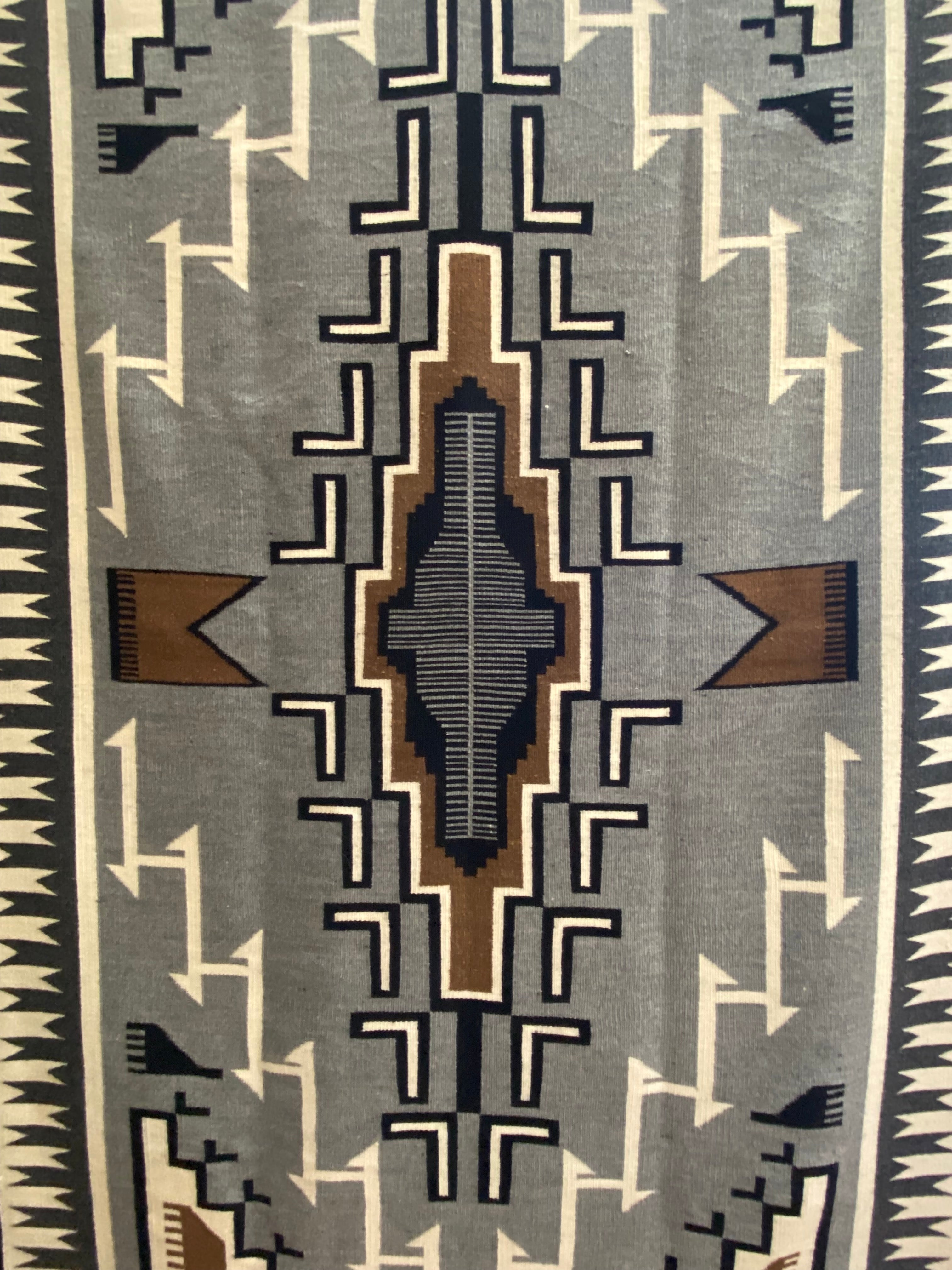
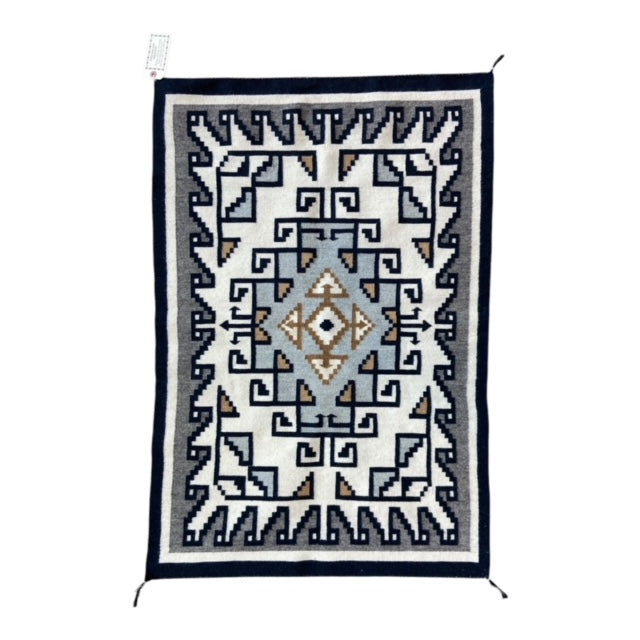
The story begins in the early 20th century, when two neighboring traders — Ed Davies at Two Grey Hills and George Bloomfield at Toadlena — formed an unlikely partnership. Close rivals for local business but good friends, they shared a singular vision: to push the weavers of their region toward an entirely different standard of quality. Rather than chasing the bold aniline colors popular elsewhere on the reservation, they leaned into the natural aversion local Navajo weavers had for synthetic dyes. Working exclusively with hand-spun wool from home flocks — the naturally colored fleece of the region's own Churro sheep in shades of cream, tan, brown, grey, and black — they encouraged weavers to spin finer, weave tighter, and design with greater intricacy than had ever been attempted.
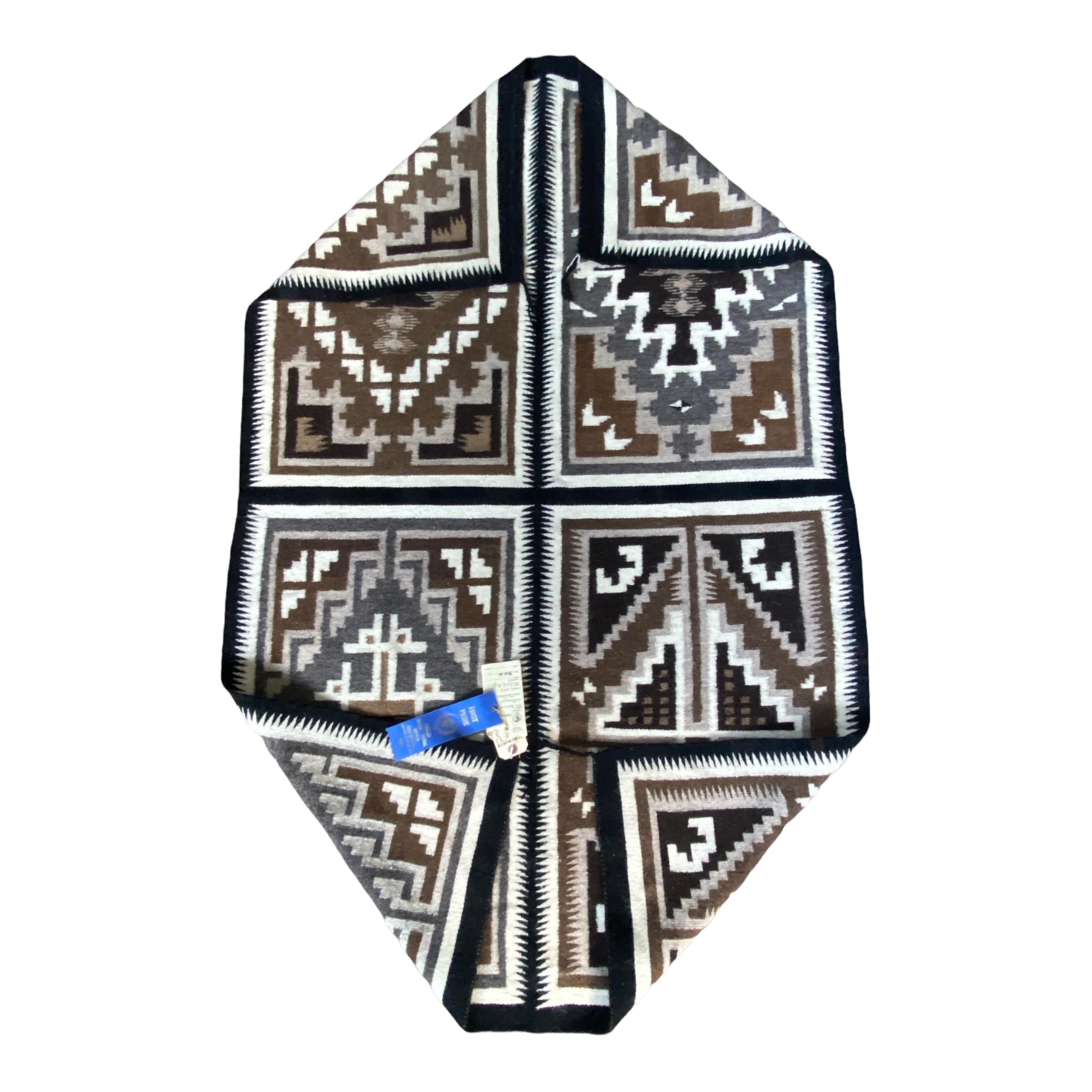
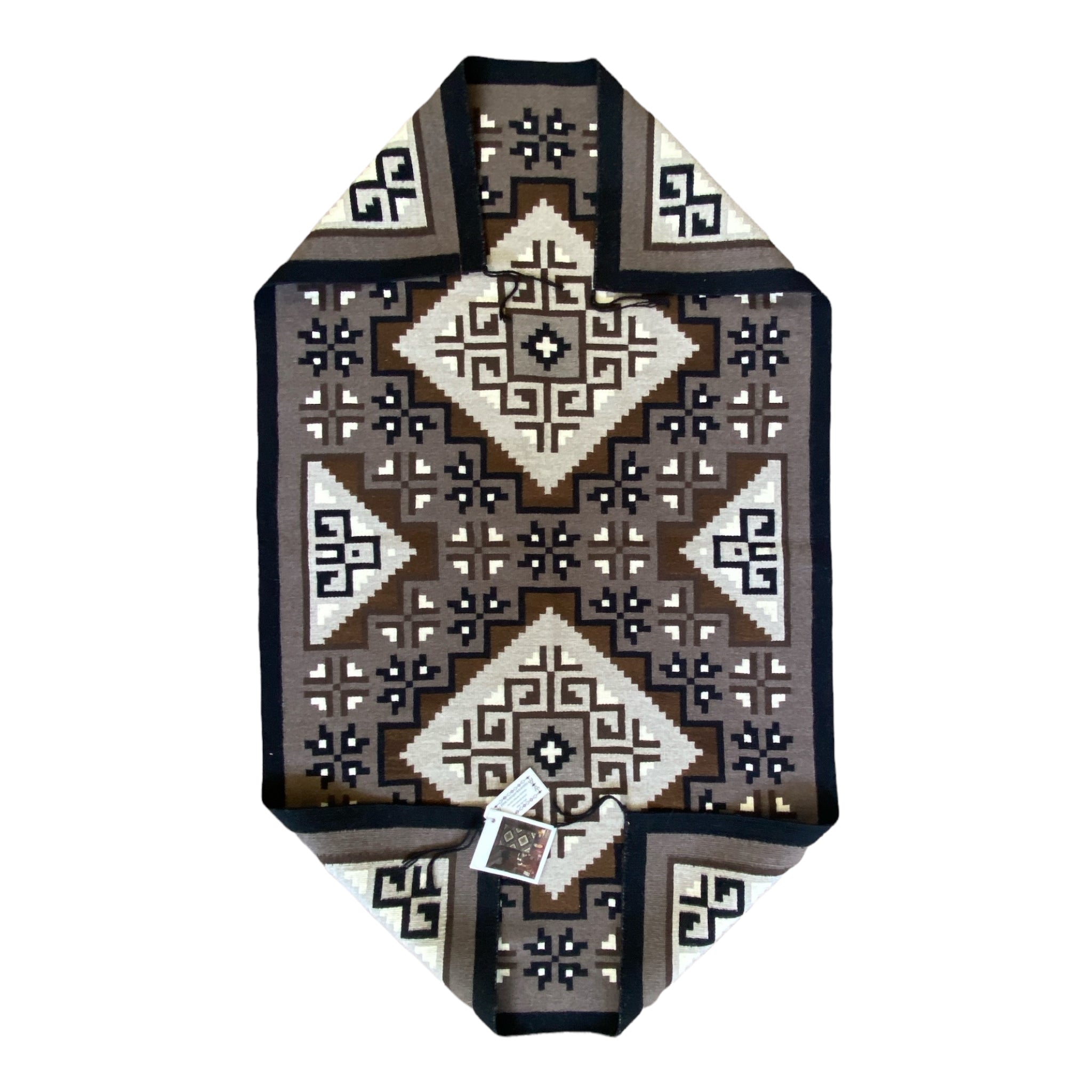
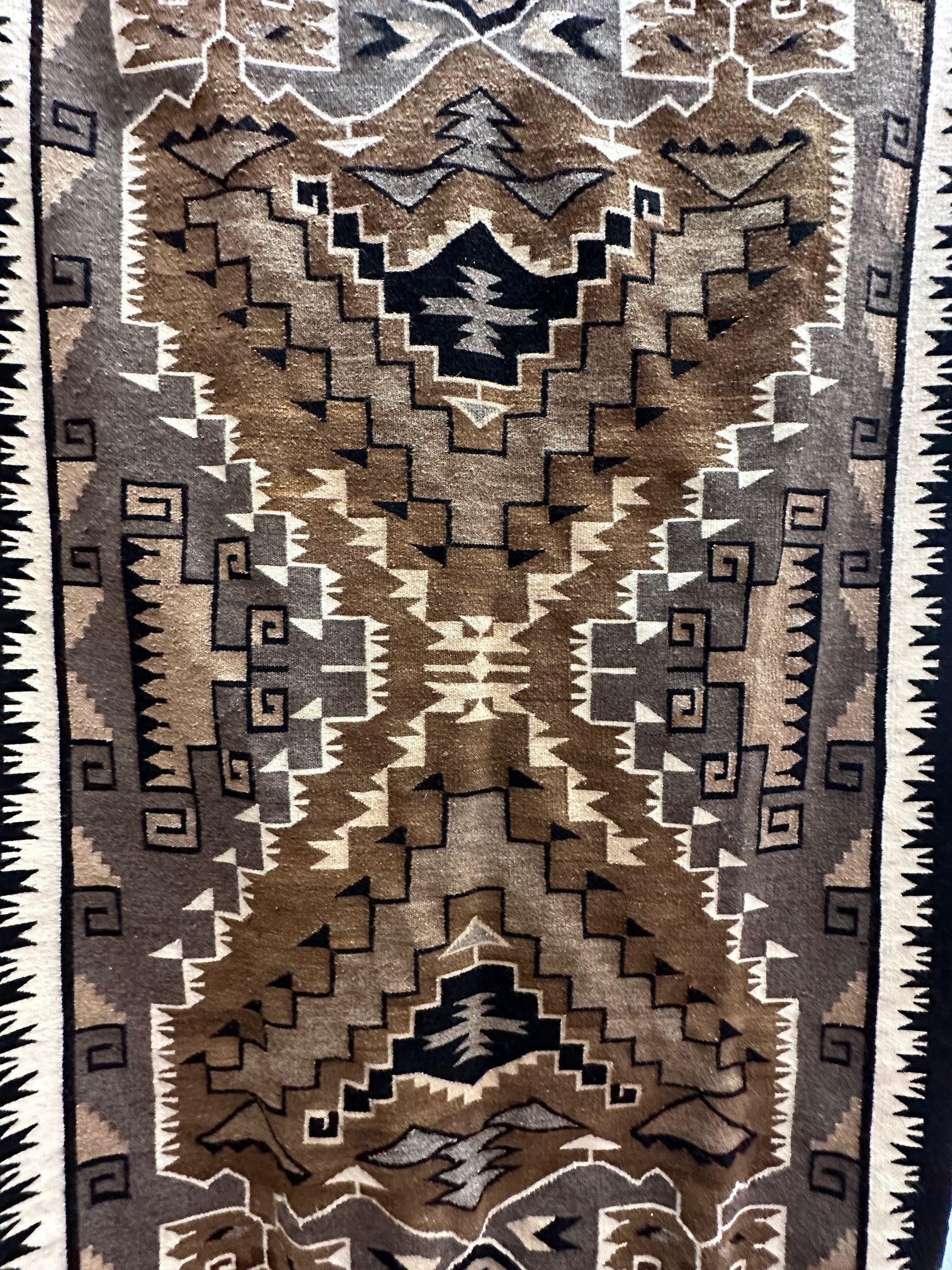
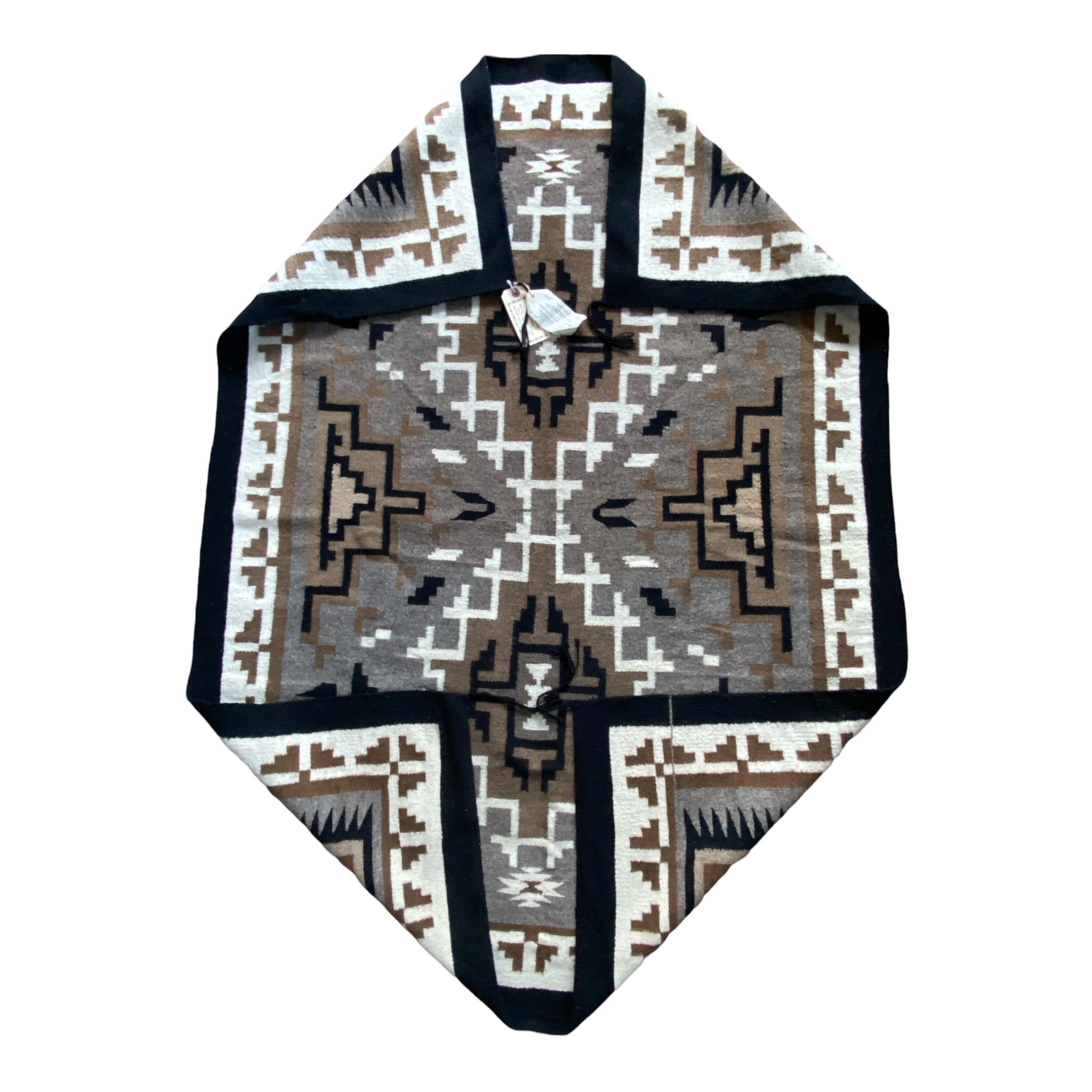
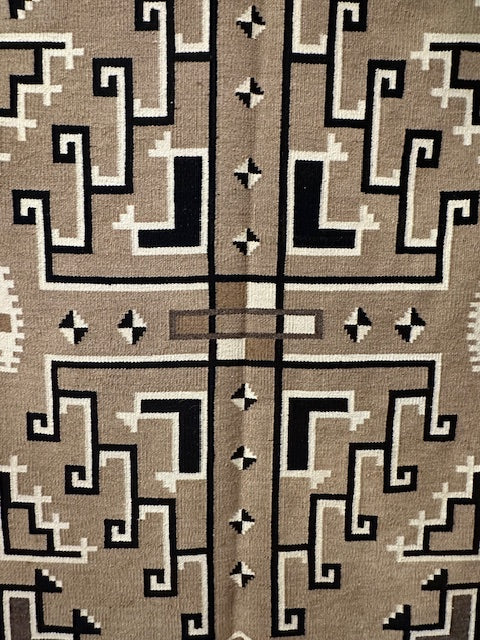
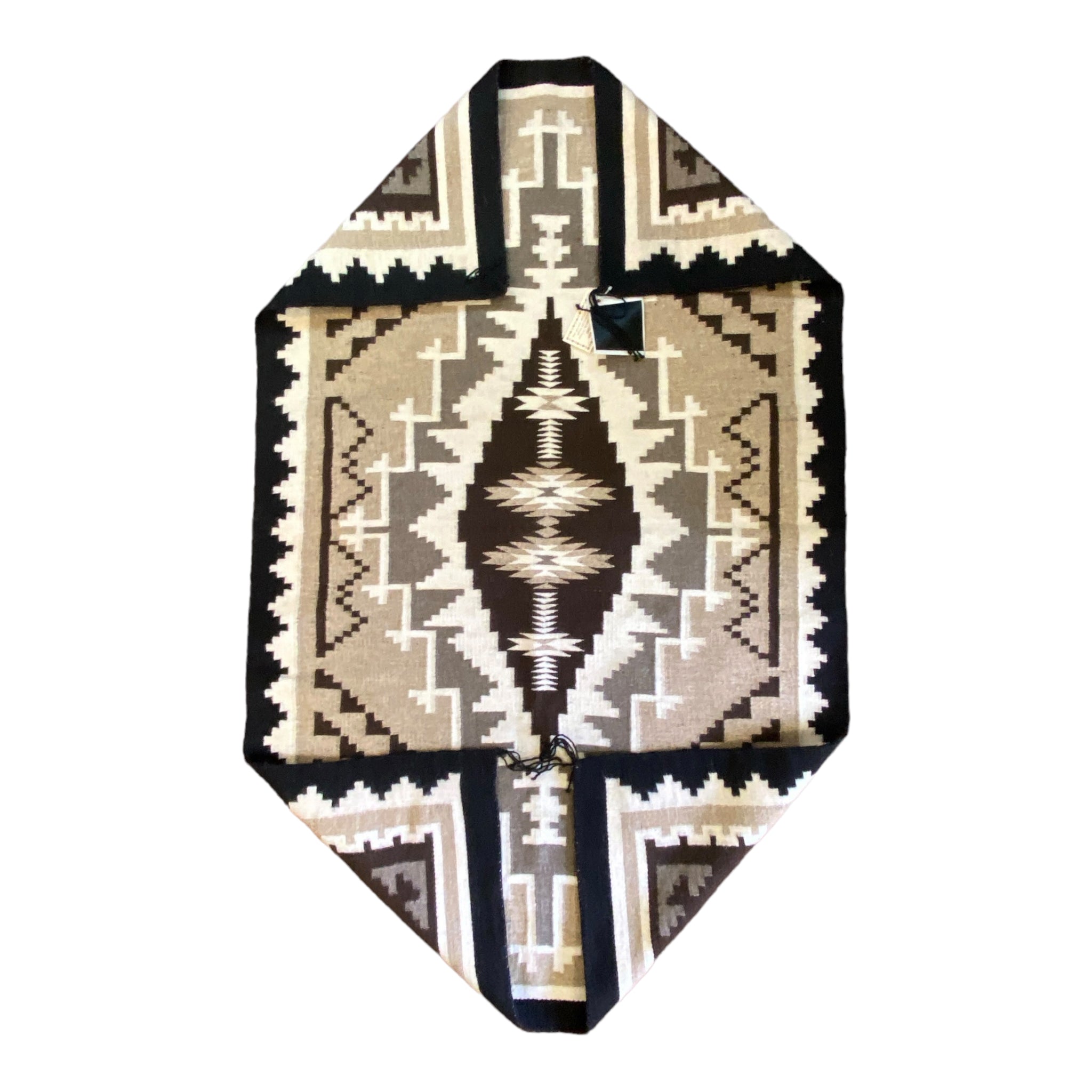
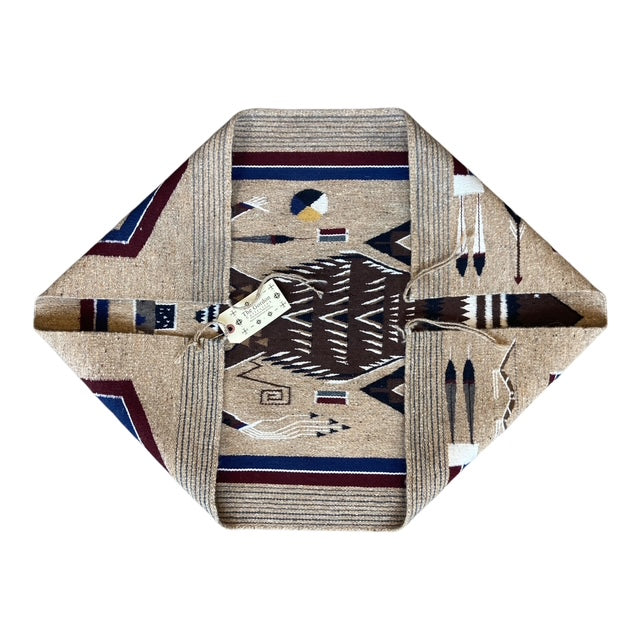
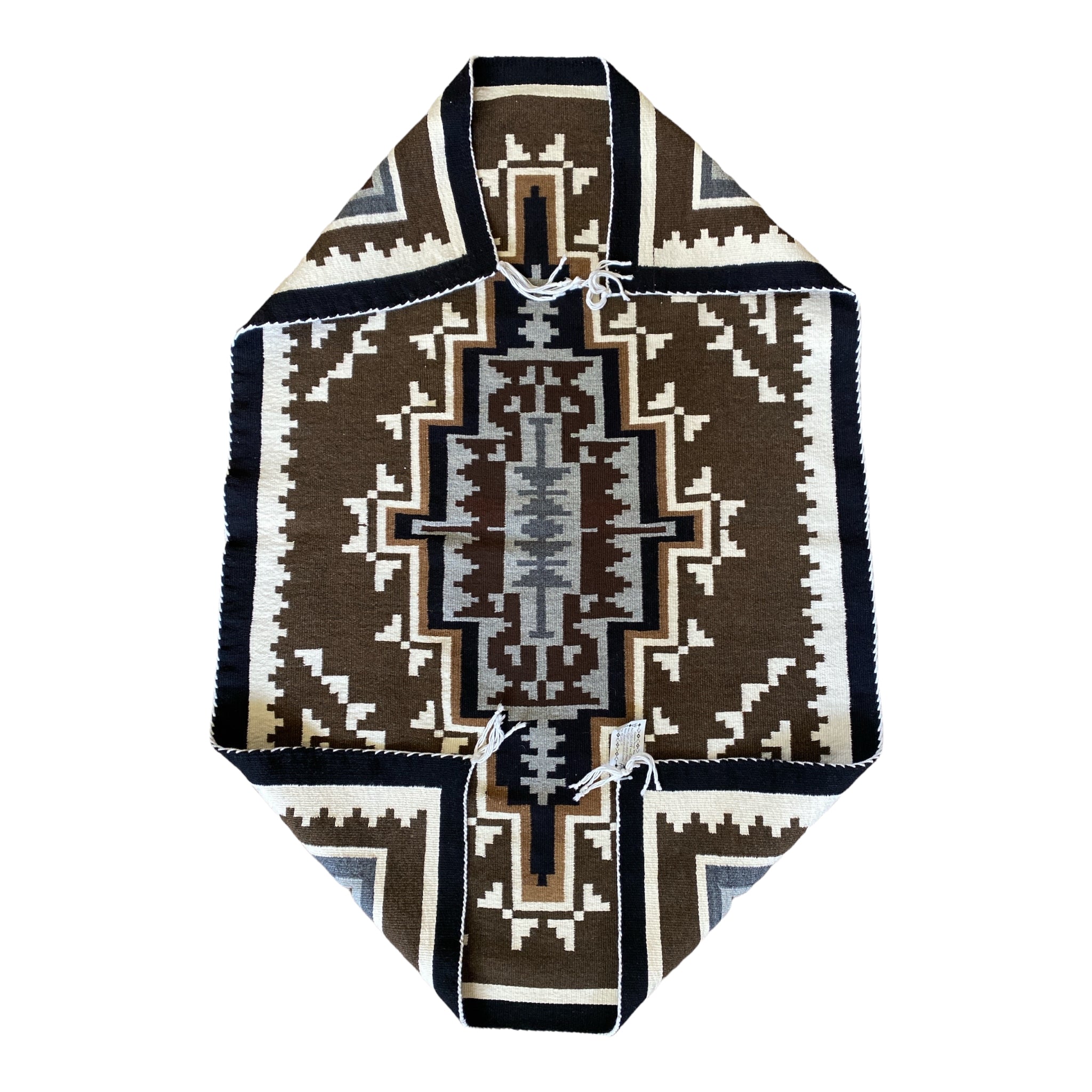
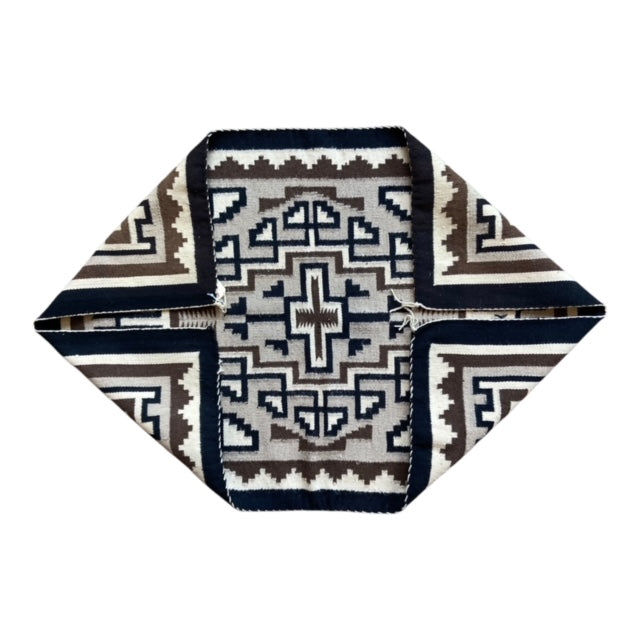
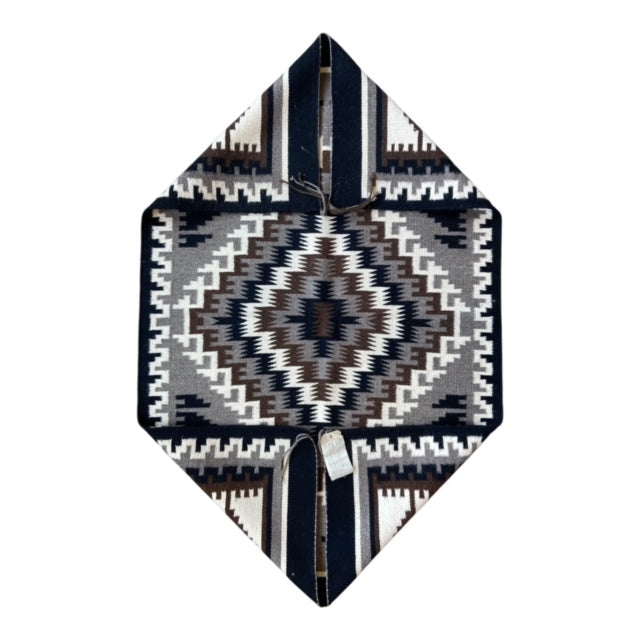
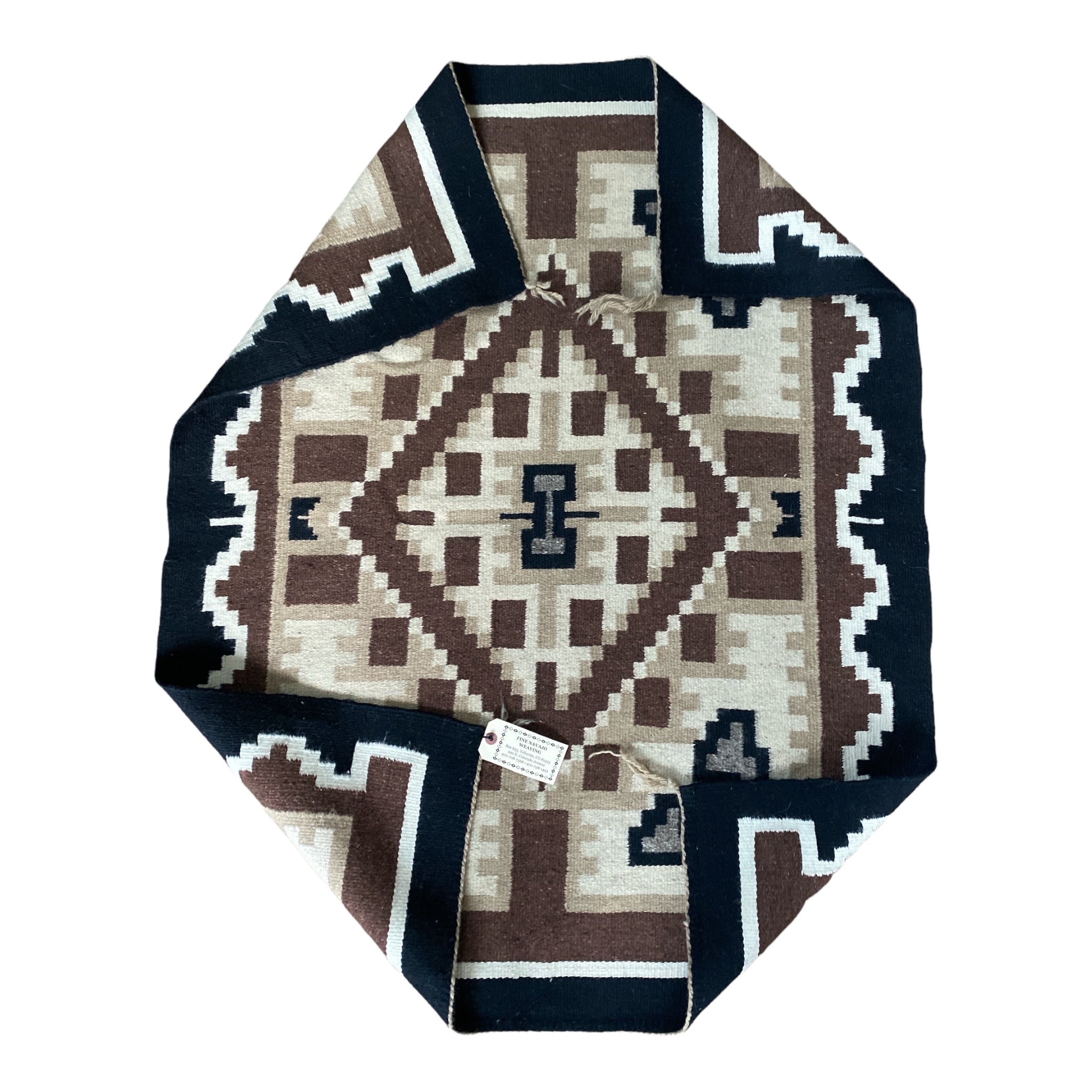
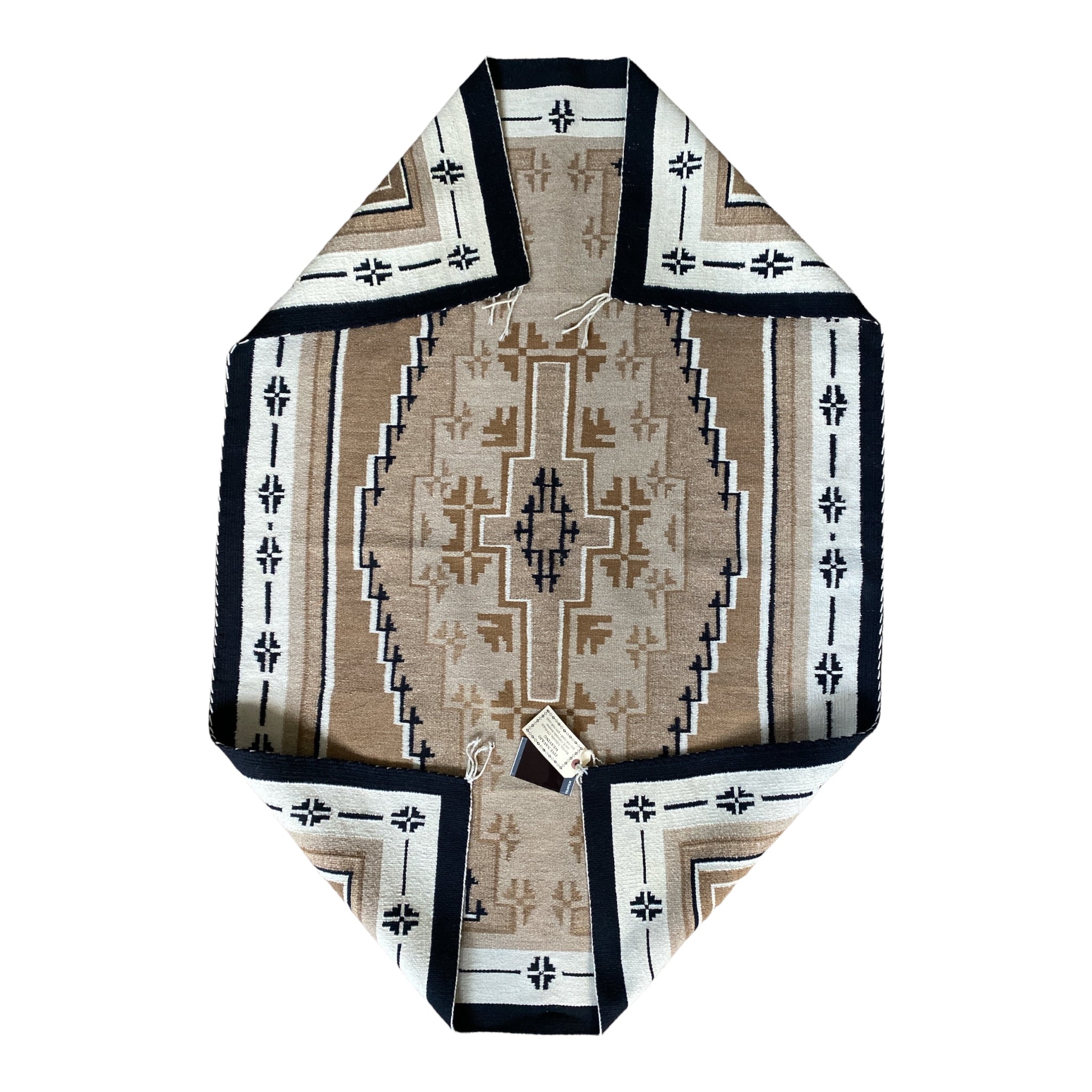
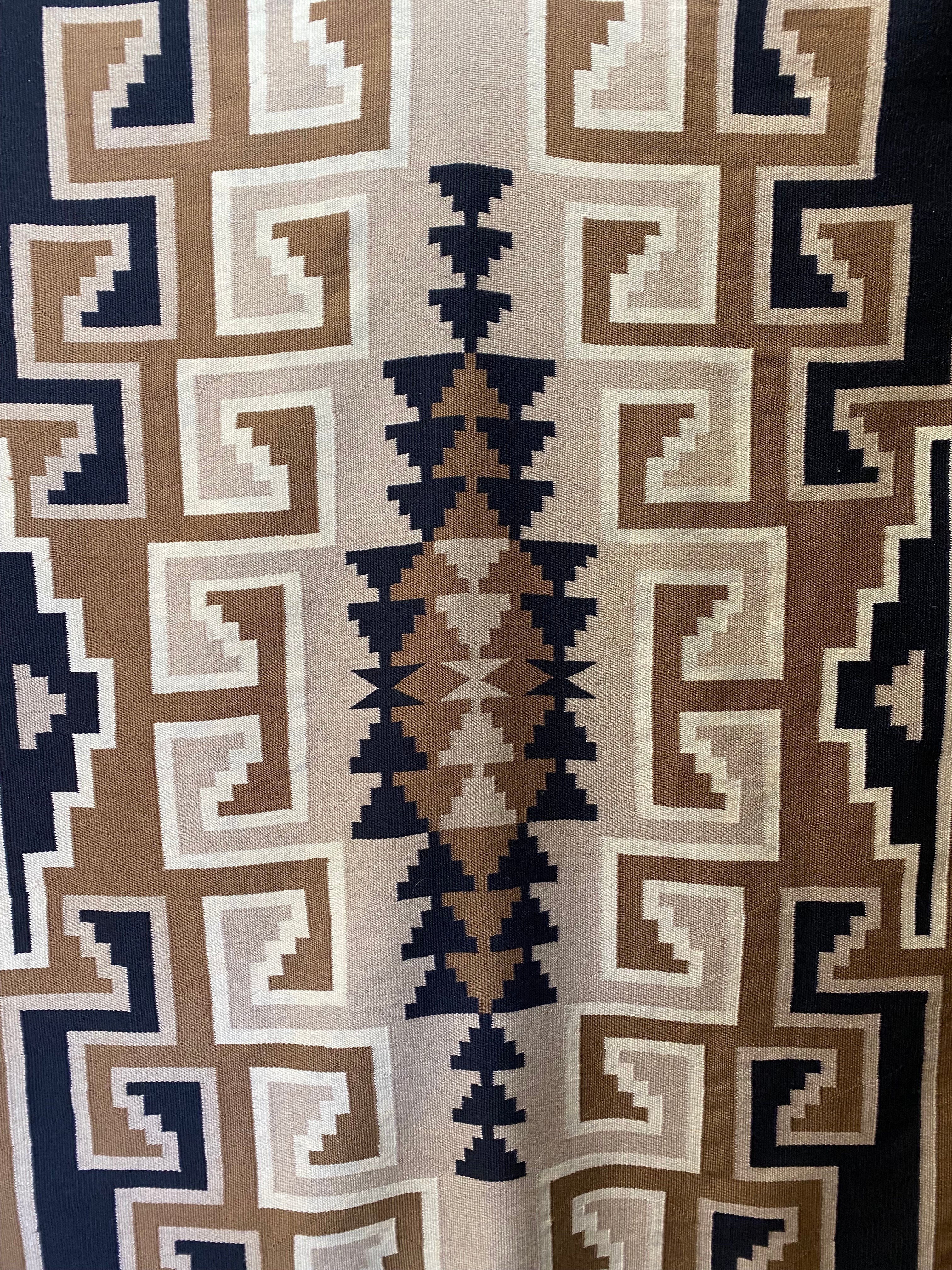
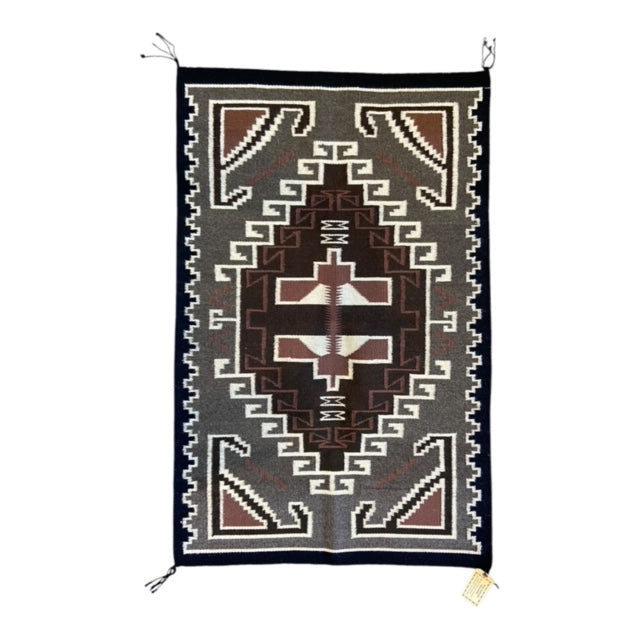
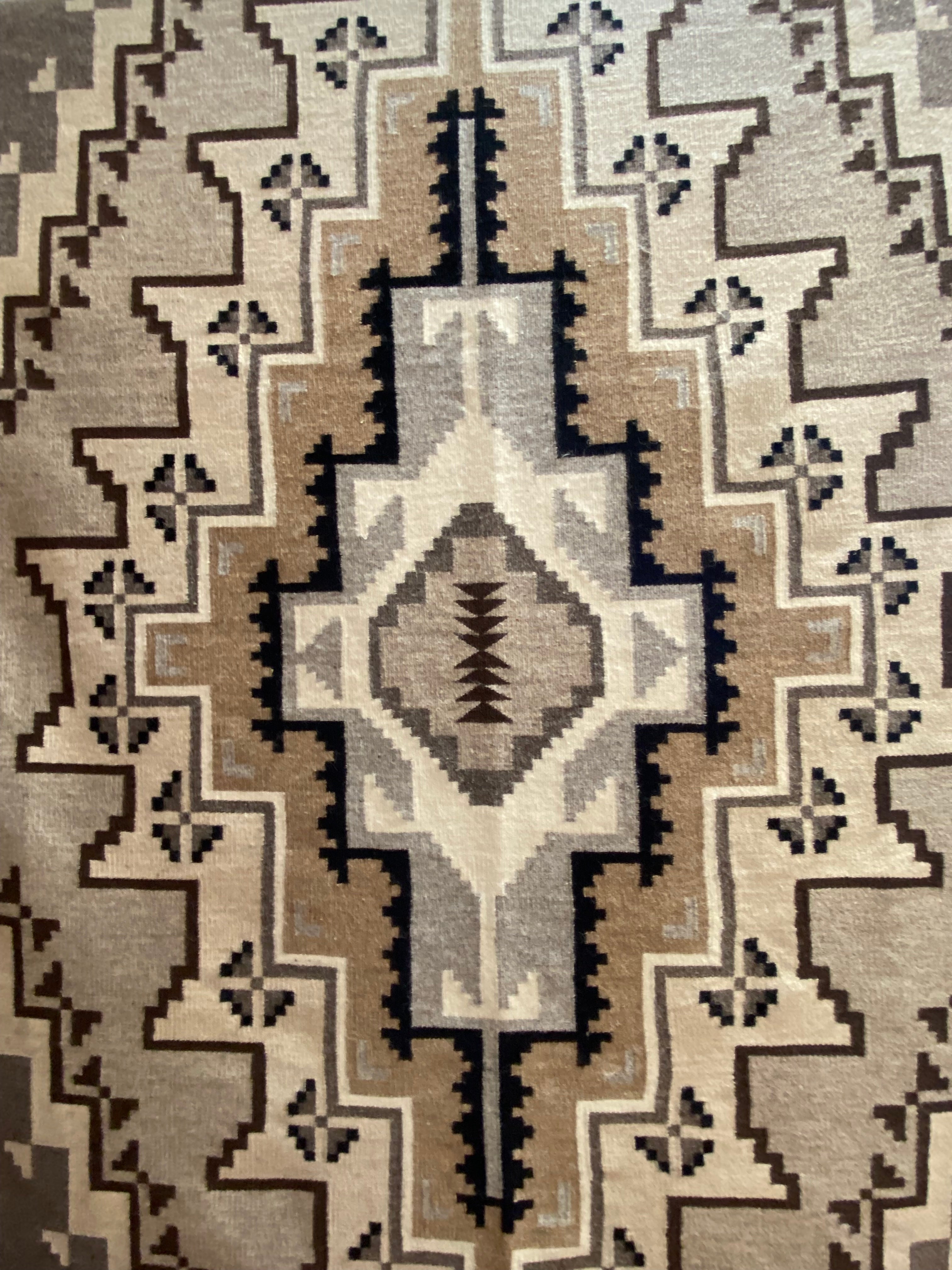
The result was a style of weaving unlike anything else: dense, tapestry-weight textiles with weft counts averaging 40 to 50 threads per linear inch in standard pieces, rising above 80 in tapestry-grade work, and reaching a documented 120 wefts per inch in the hands of master weaver Daisy Taugelchee — considered by many scholars to be the finest Navajo weaver who ever lived. Design elements include bold central diamonds, intricate geometric borders, floating elements, and Greek key details that migrated over the Chuska Mountains from J.B. Moore's influence at Crystal. The palette — cream, tan, brown, natural grey, and the deep black achieved from pinon pitch and burnt ochre before aniline dyes became available — remains one of the most sophisticated and timeless in all of textile art. It was this tradition, more than any other, that first moved the Navajo rug from the floor to the wall, and from craft to recognized fine art.
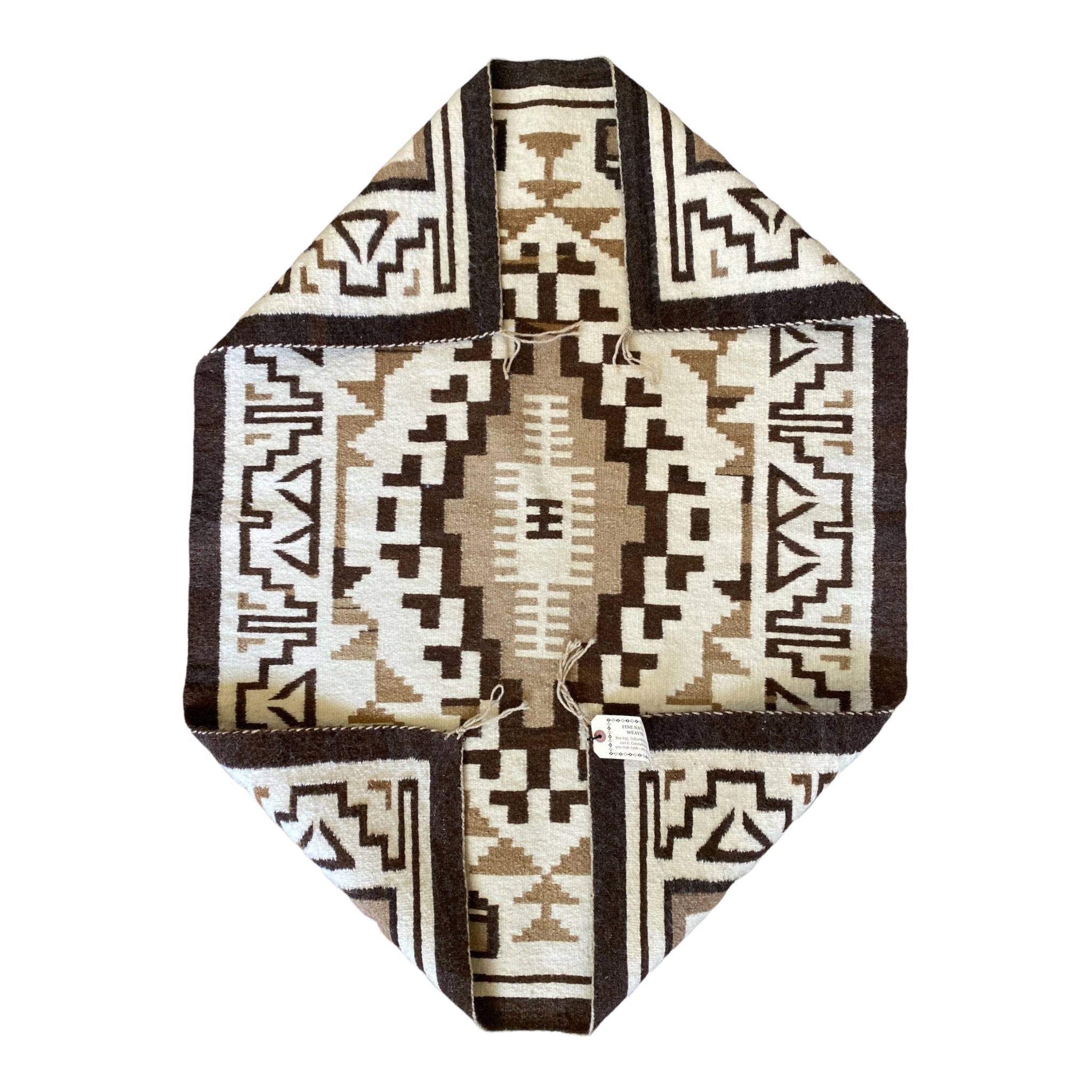
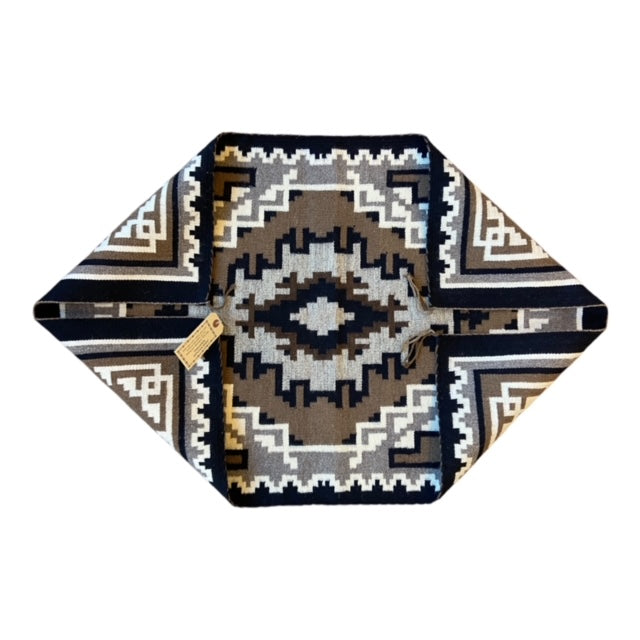
The Gordon Collection offers both vintage and contemporary Two Grey Hills and Toadlena weavings, individually selected for fineness of weave, purity of natural wool color, and strength of design. Our Telluride gallery holds a more extensive selection than what appears online — contact us for detailed condition reports, weft counts, weaver attribution where available, and photographs of any specific piece.
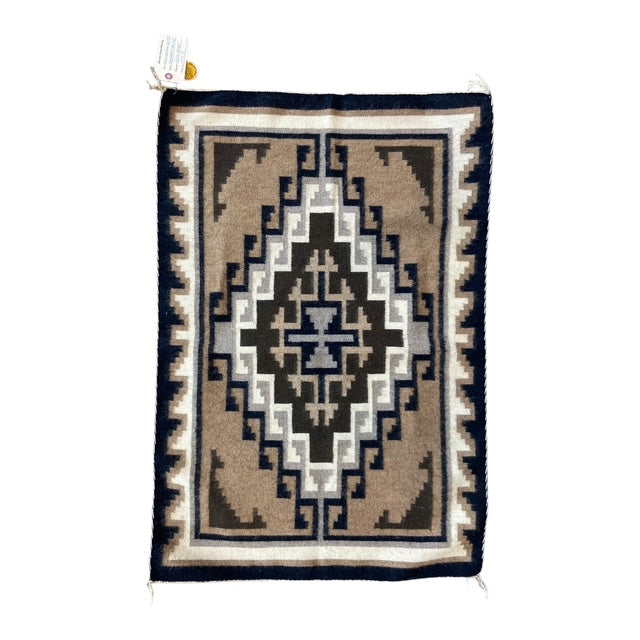
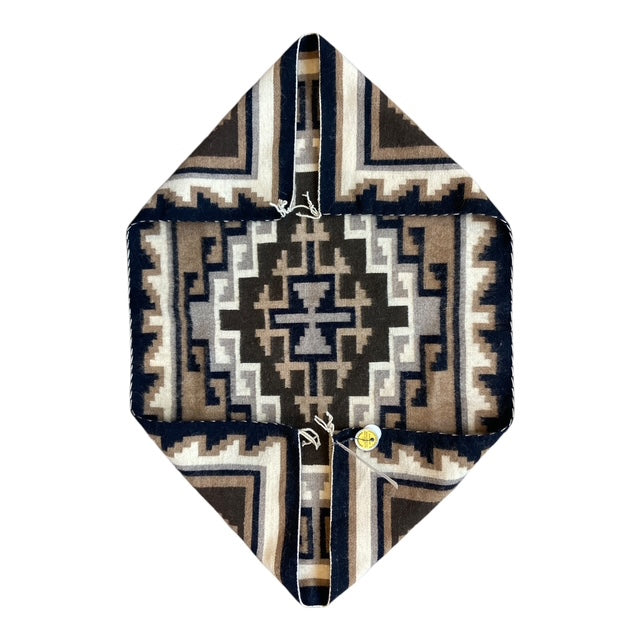


SKU: w1923