Raised Outline/ New Lands
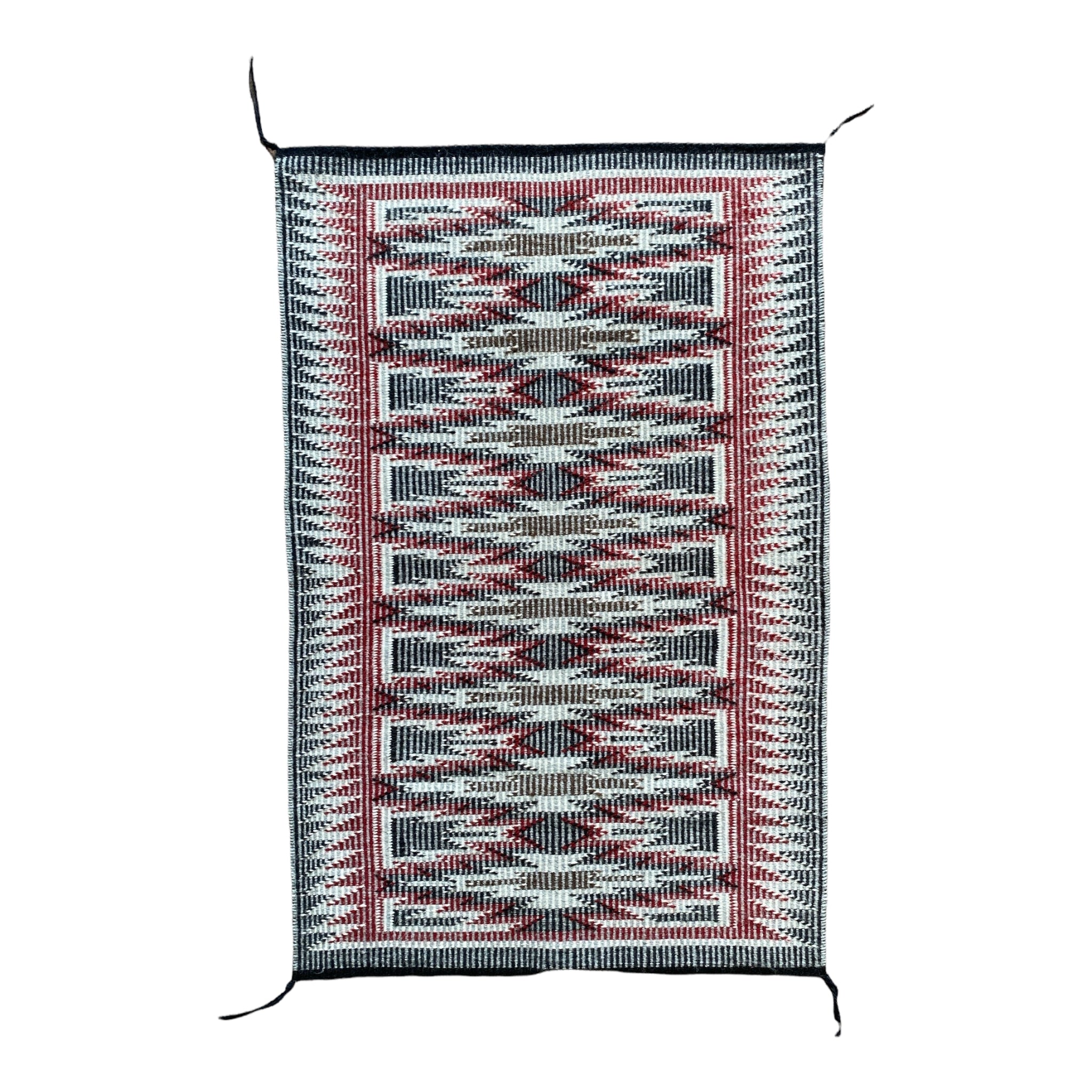
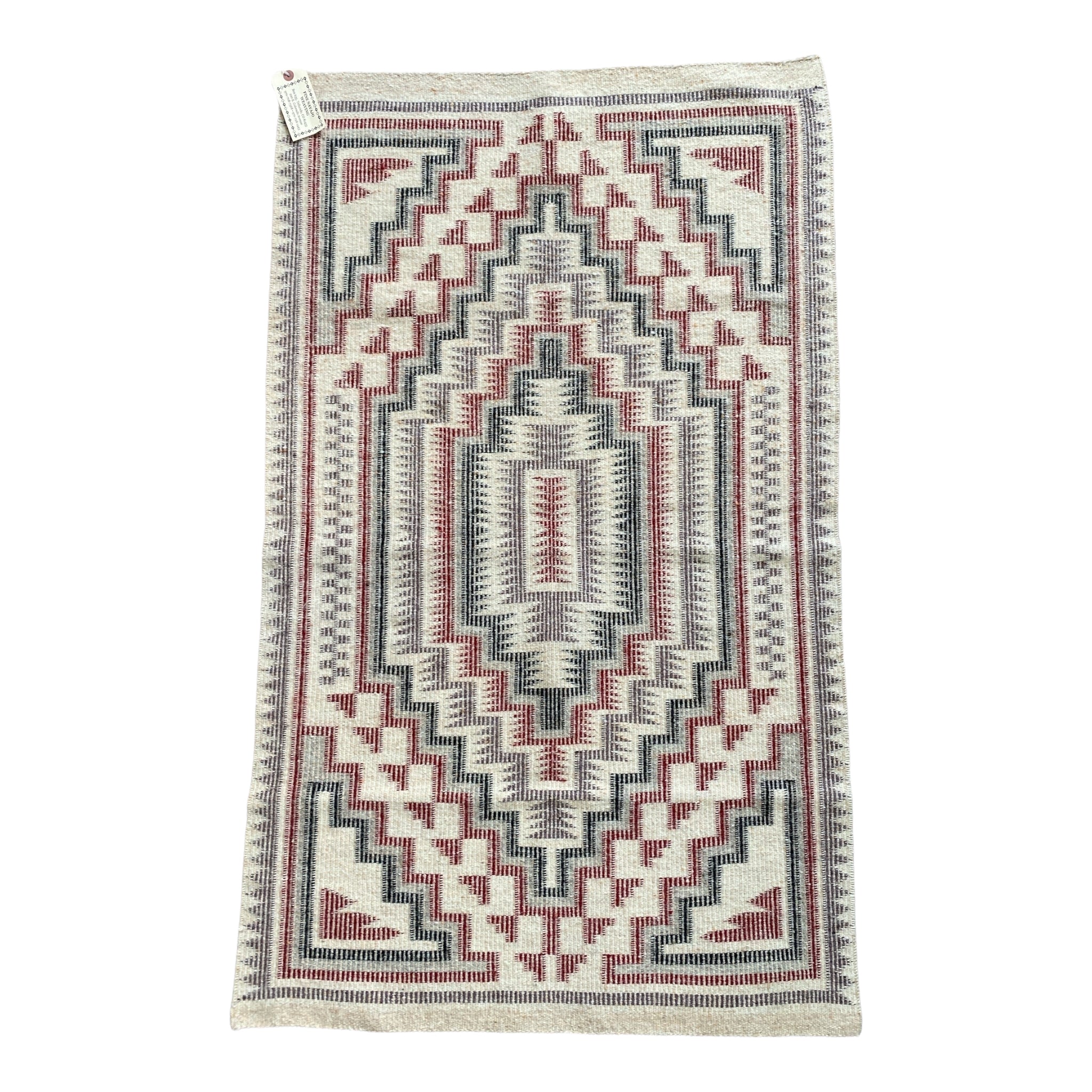
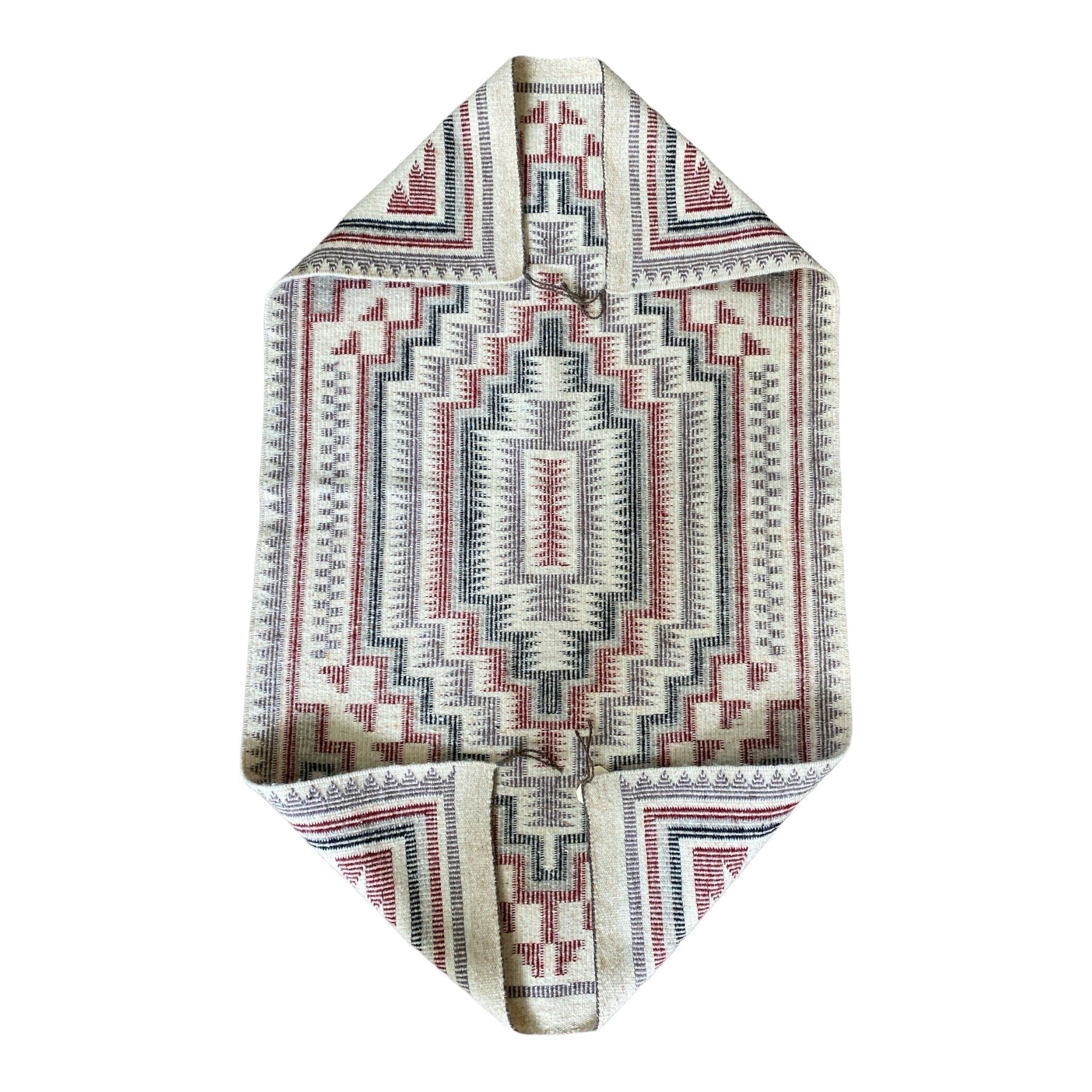
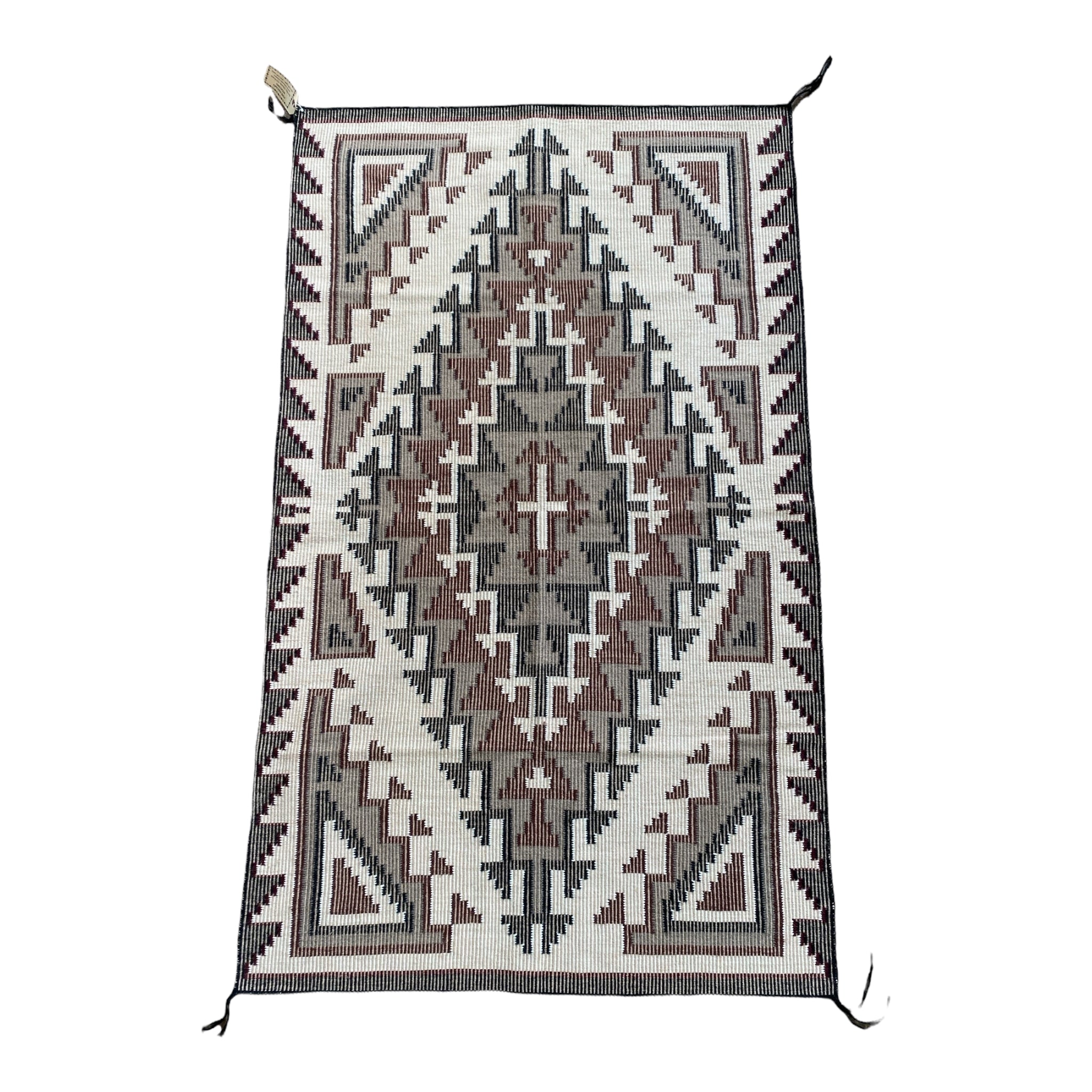
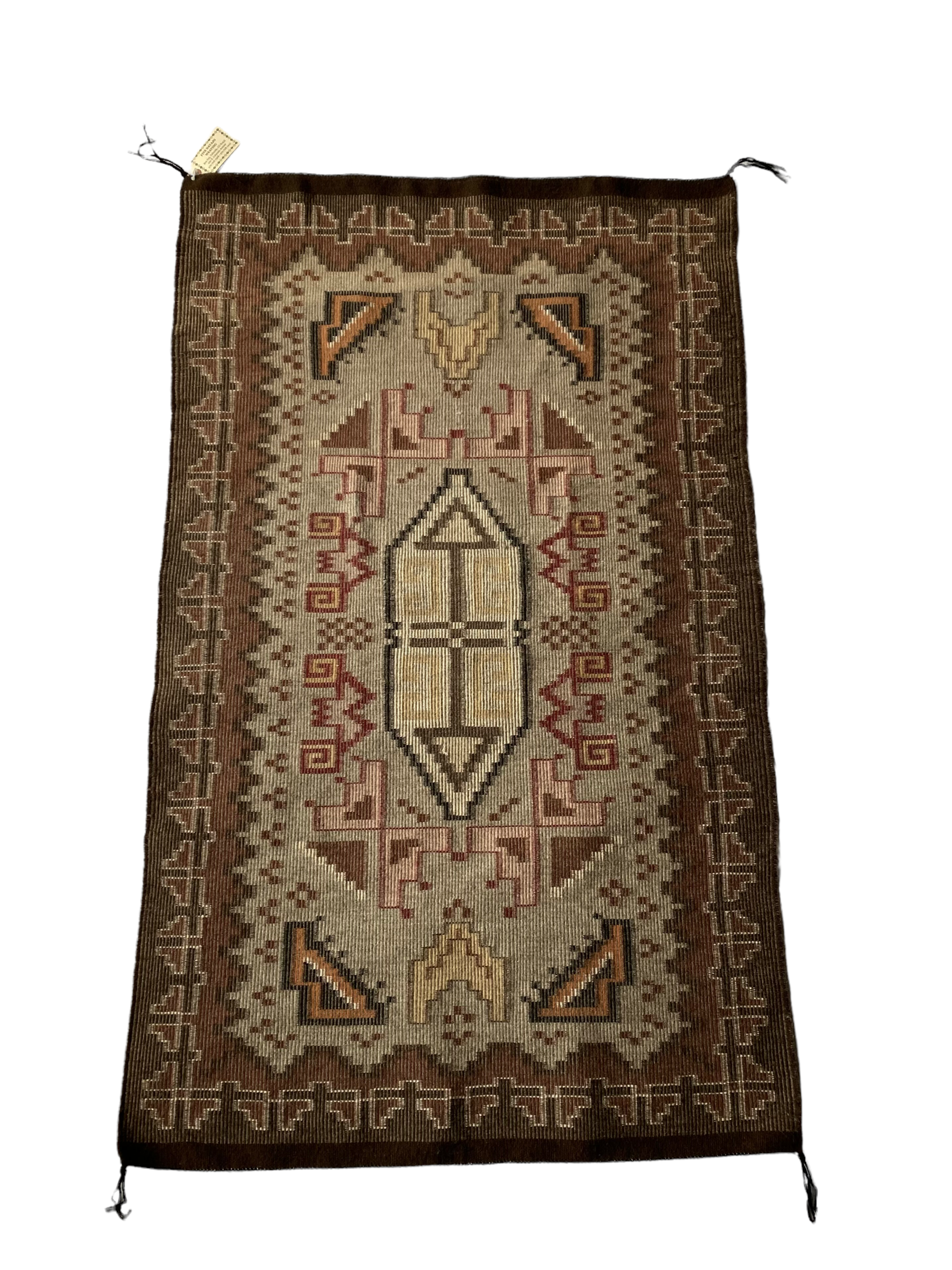
Raised Outline & New Lands Navajo Rugs — Coal Mine Mesa's Signature 3D Weaving Technique
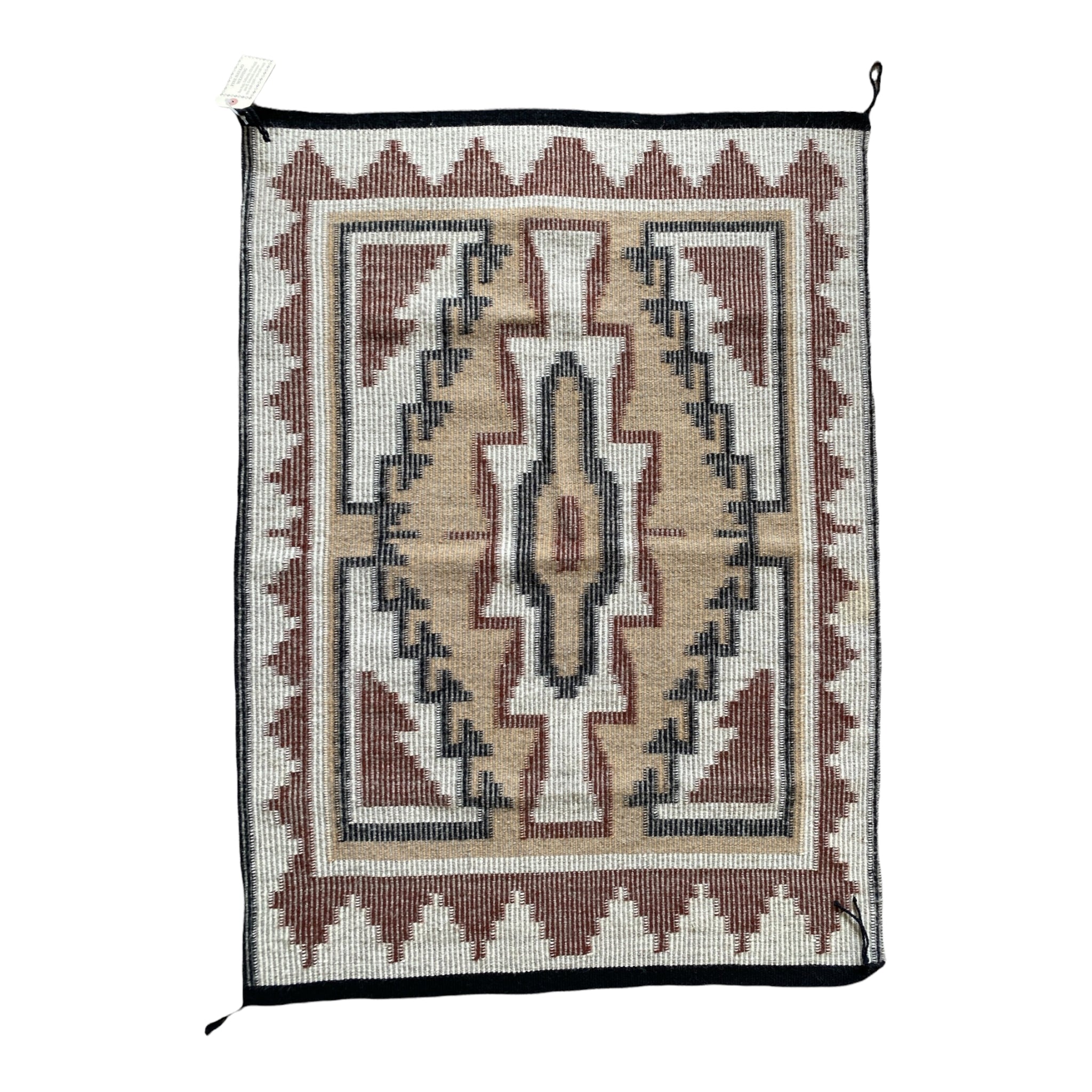
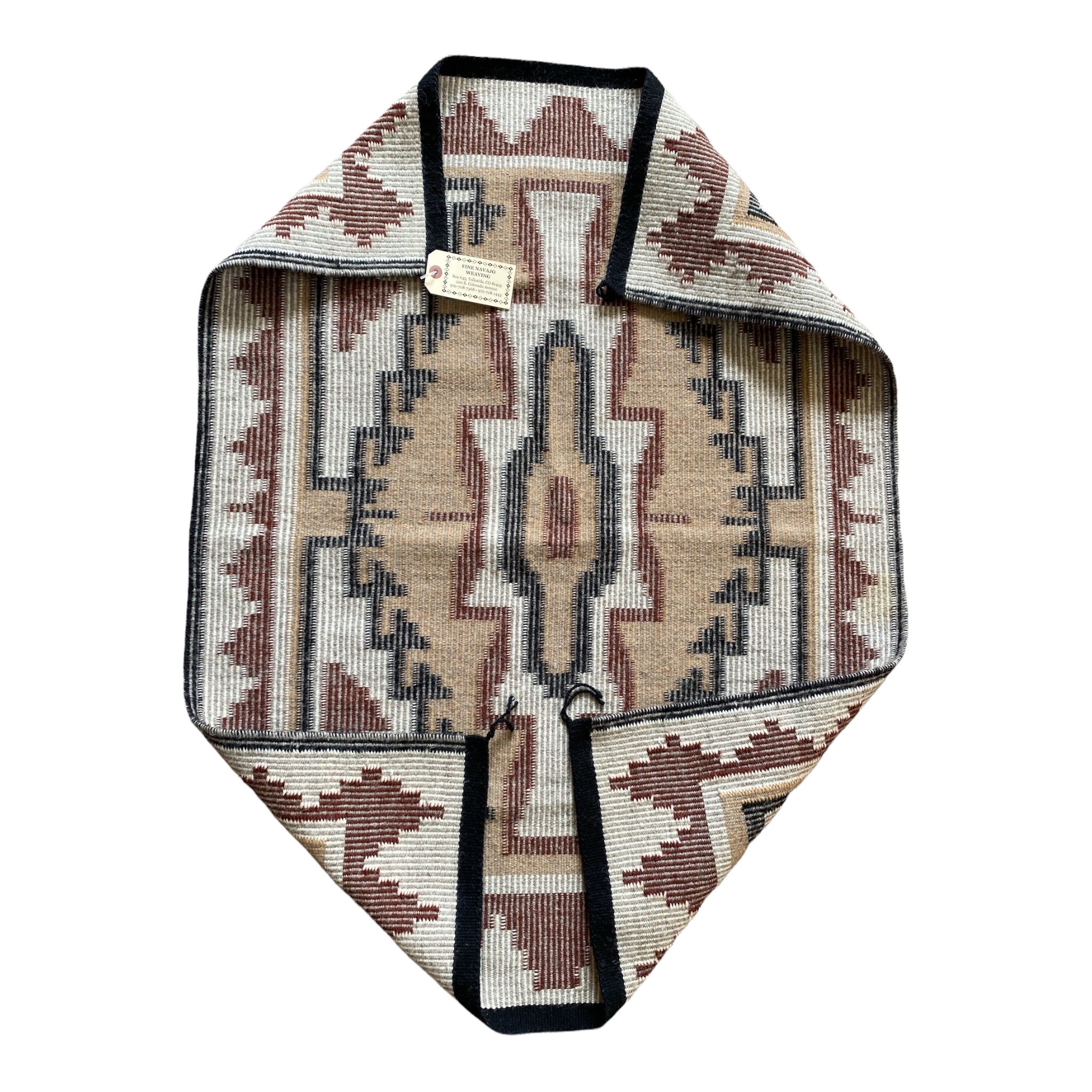
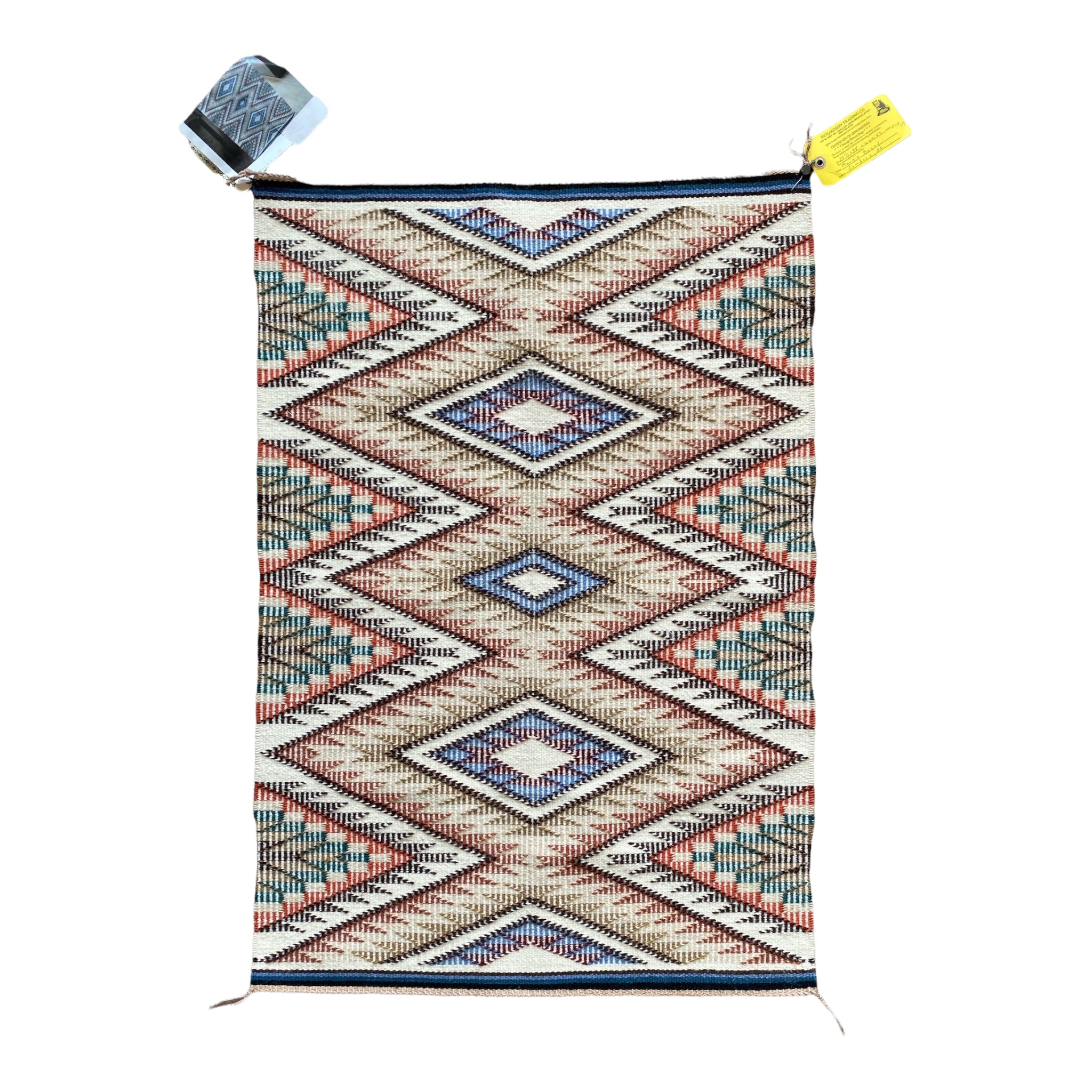
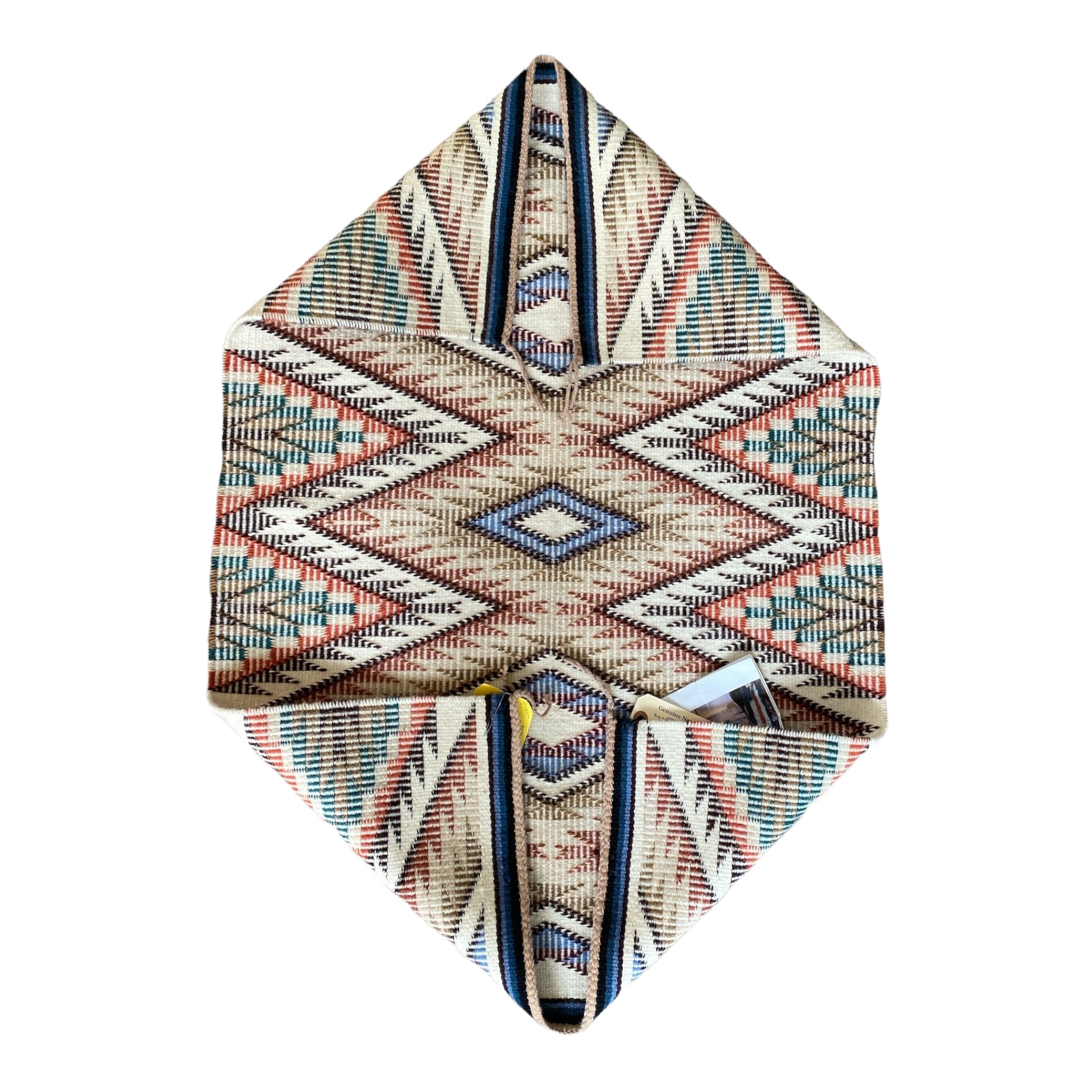
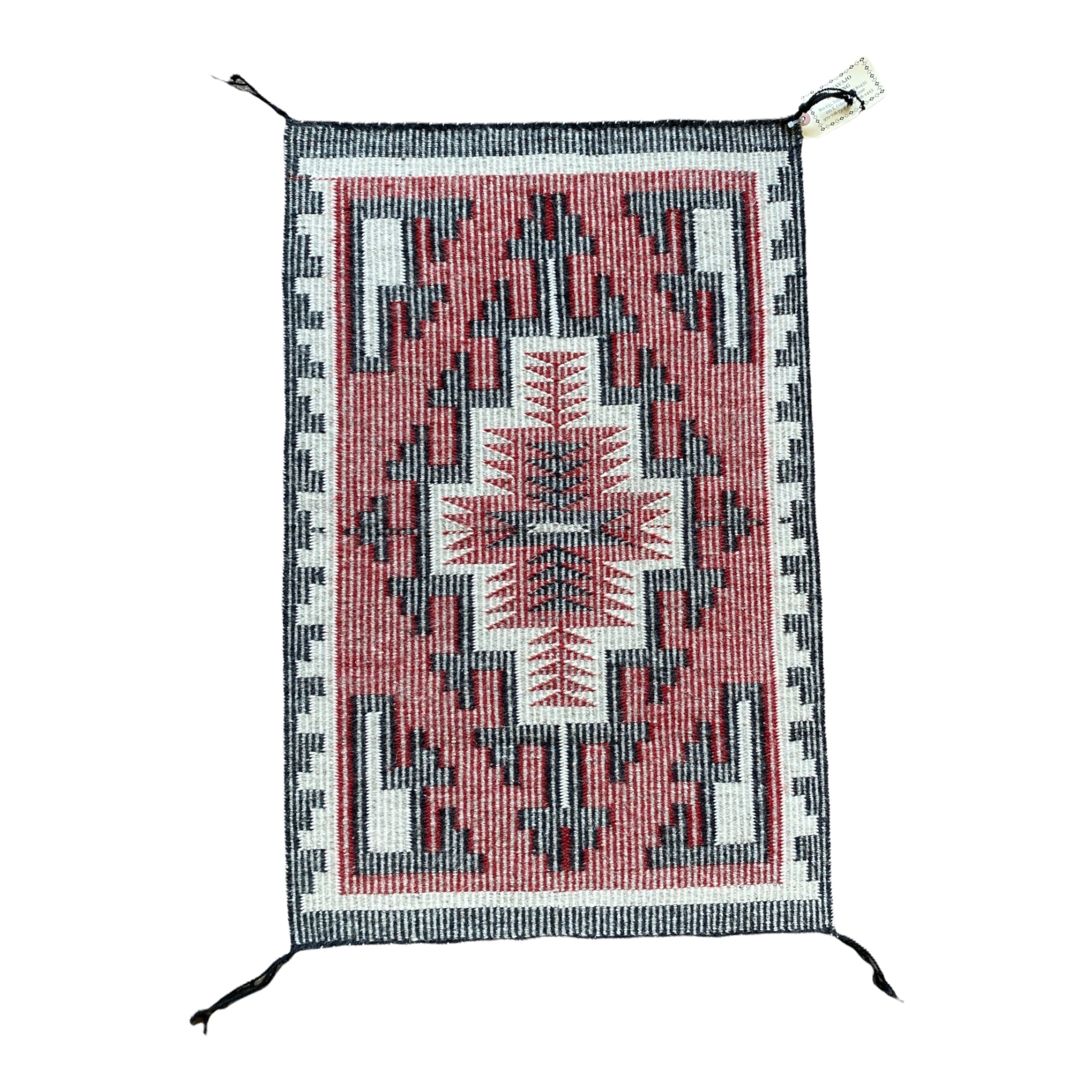
The Raised Outline is one of the most technically distinctive innovations in the entire history of Navajo weaving — and one of the least known outside serious collector circles. The Gordon Collection carries both Coal Mine Mesa originals and their New Lands descendants, offering access to a tradition that very few galleries understand at this depth.
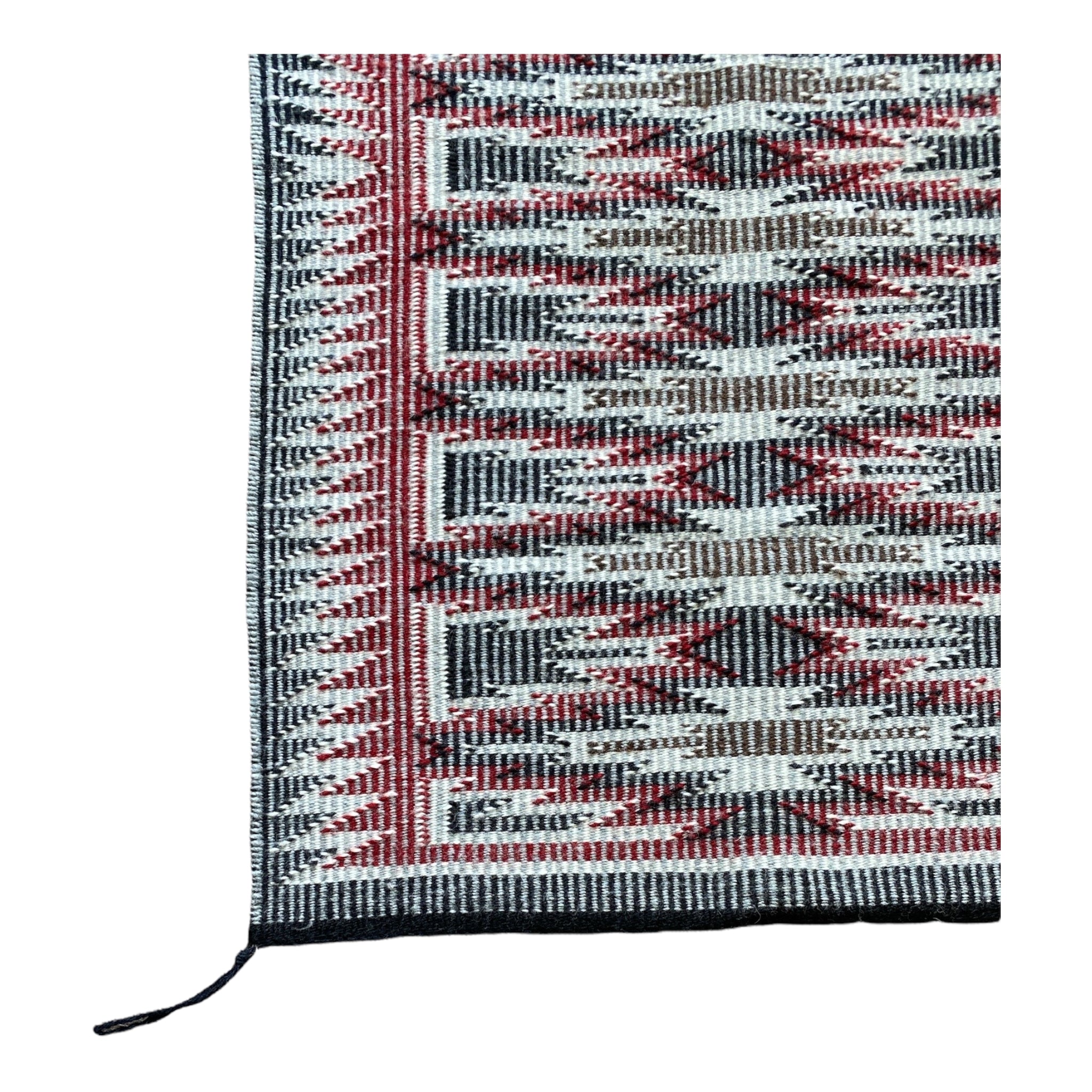
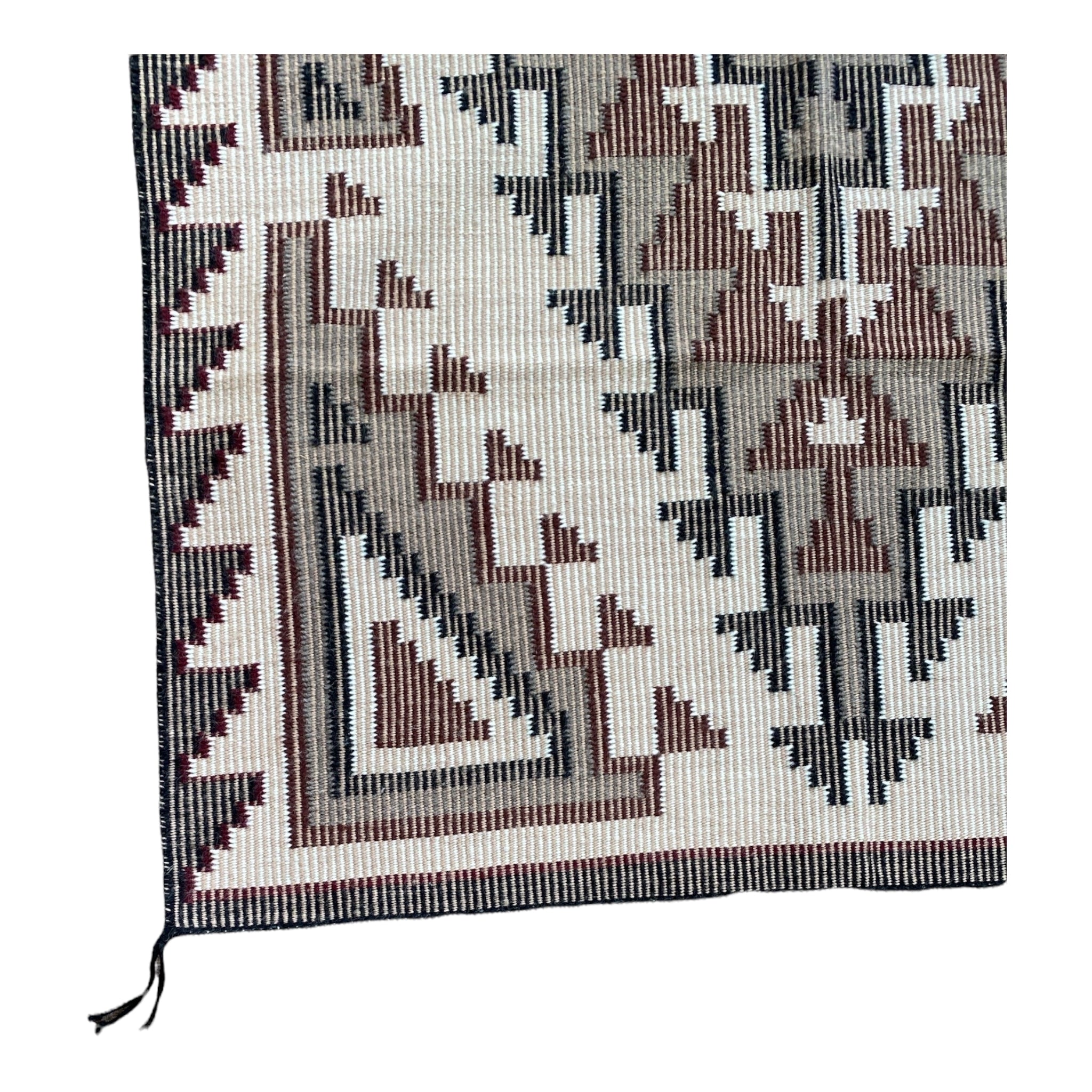
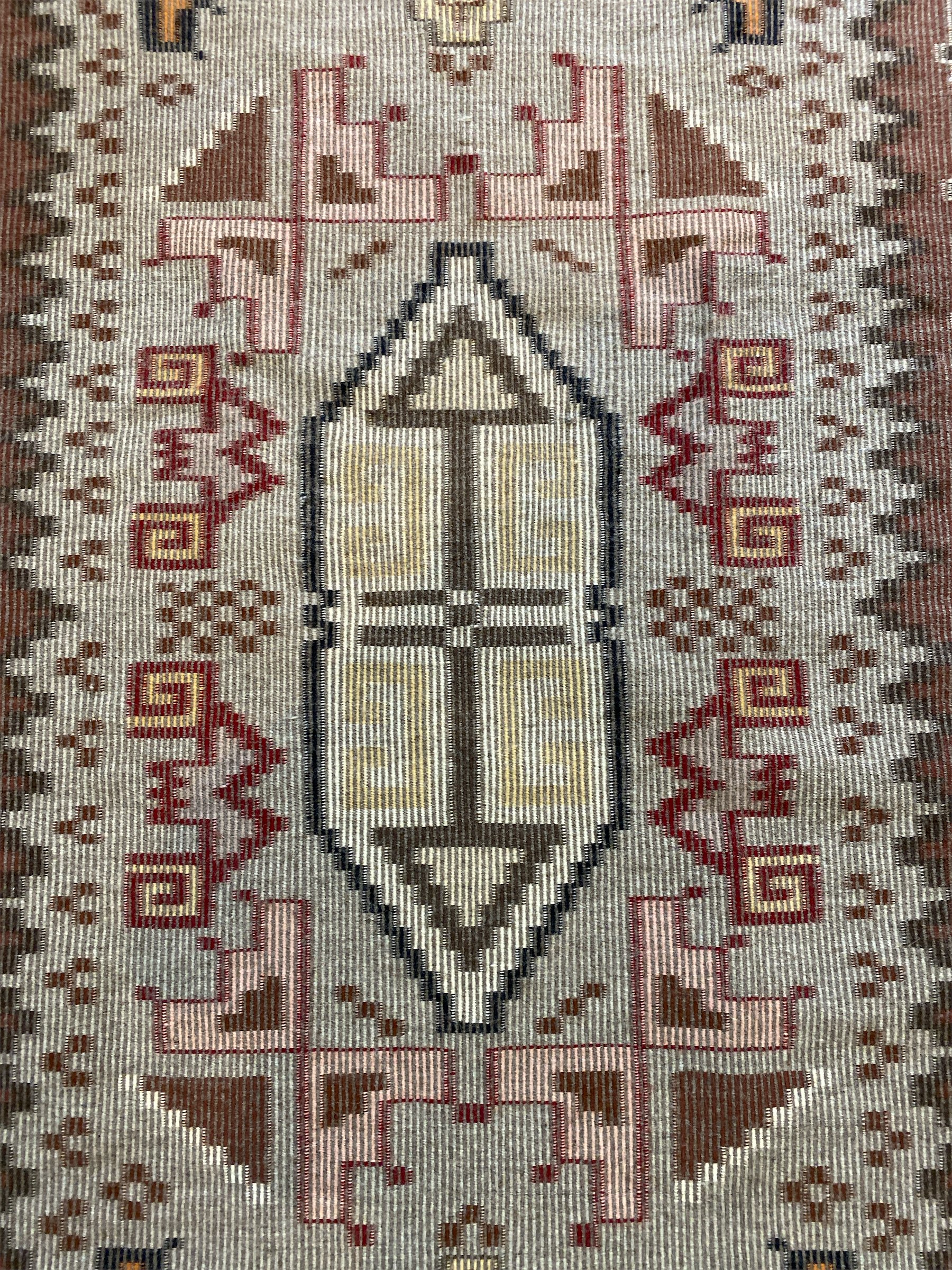
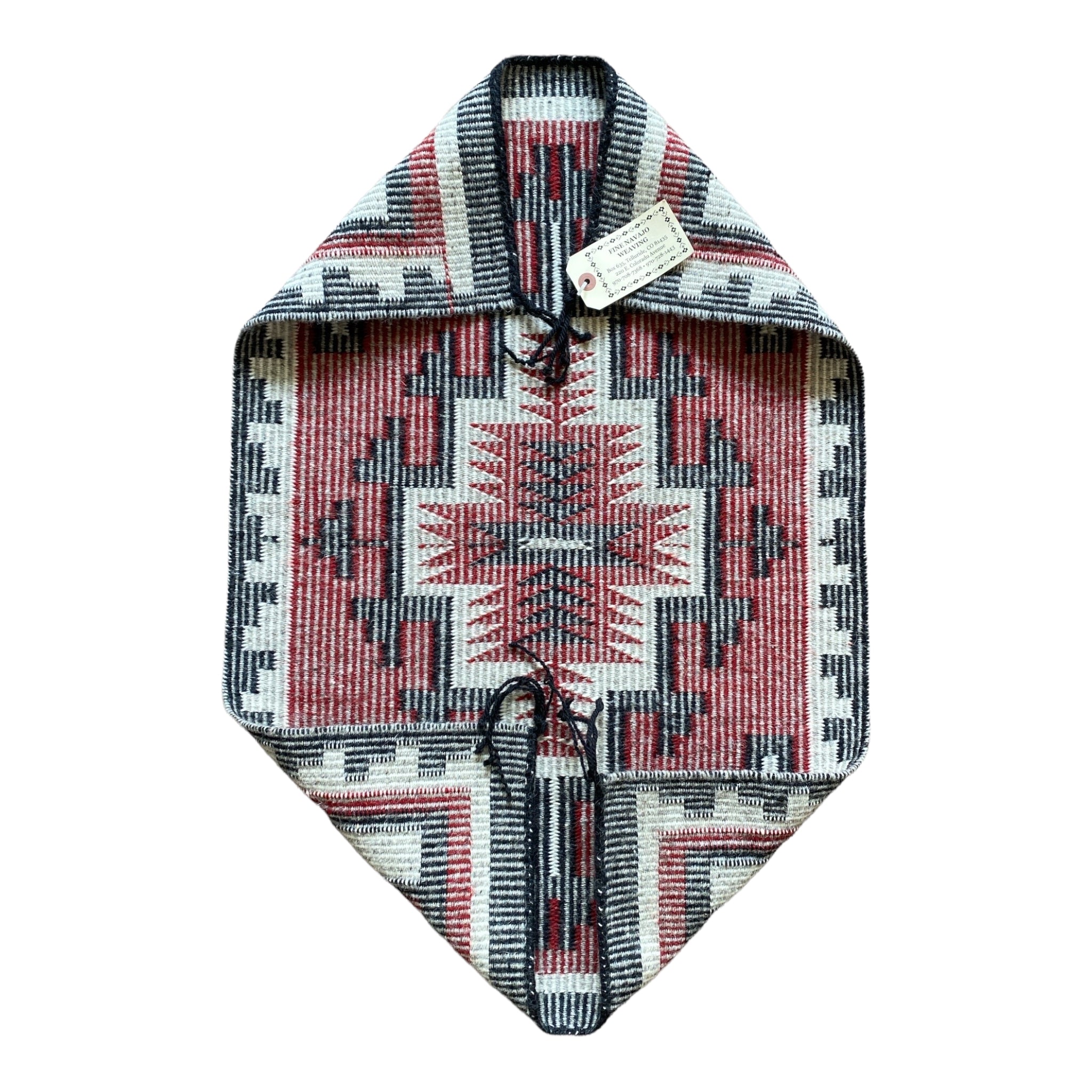
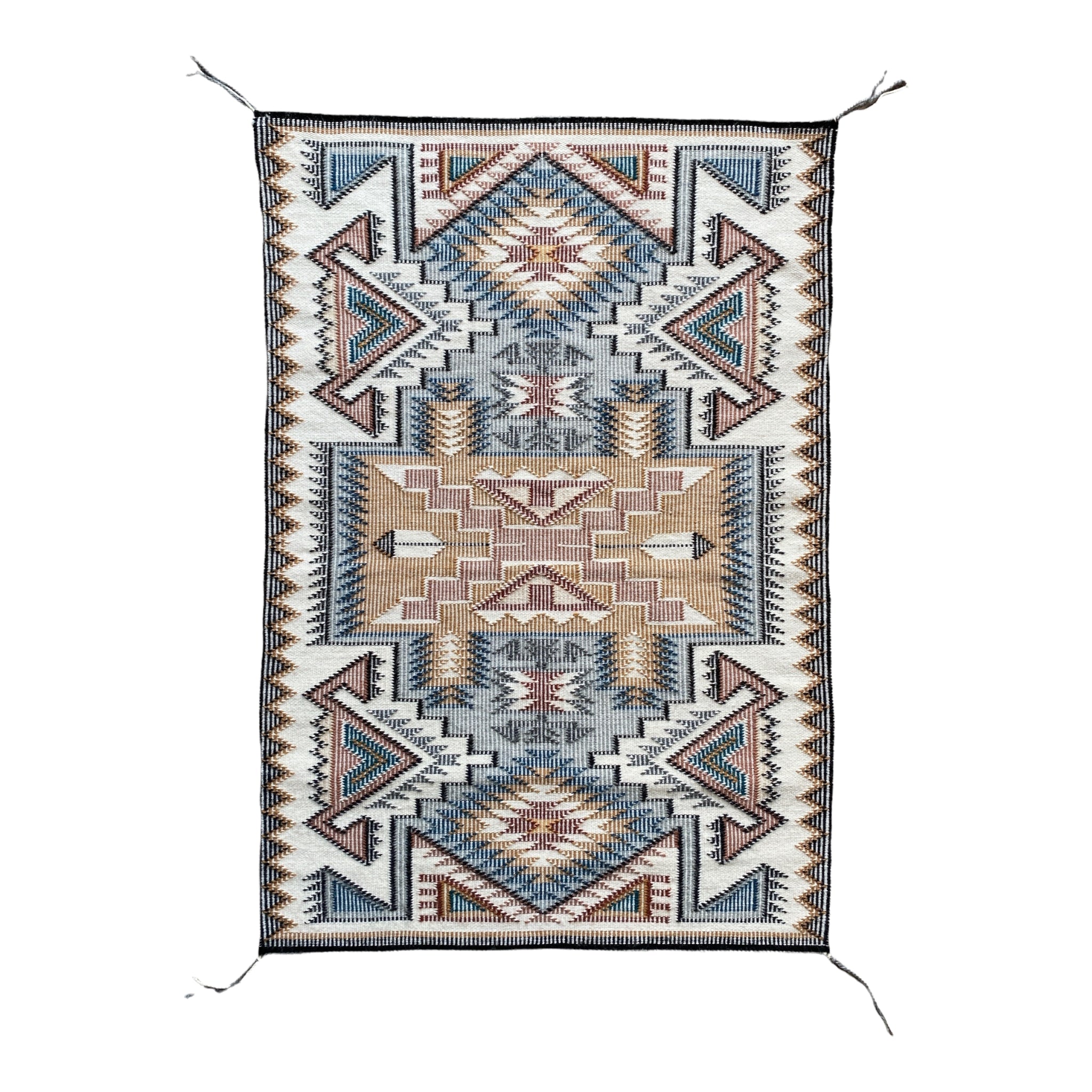
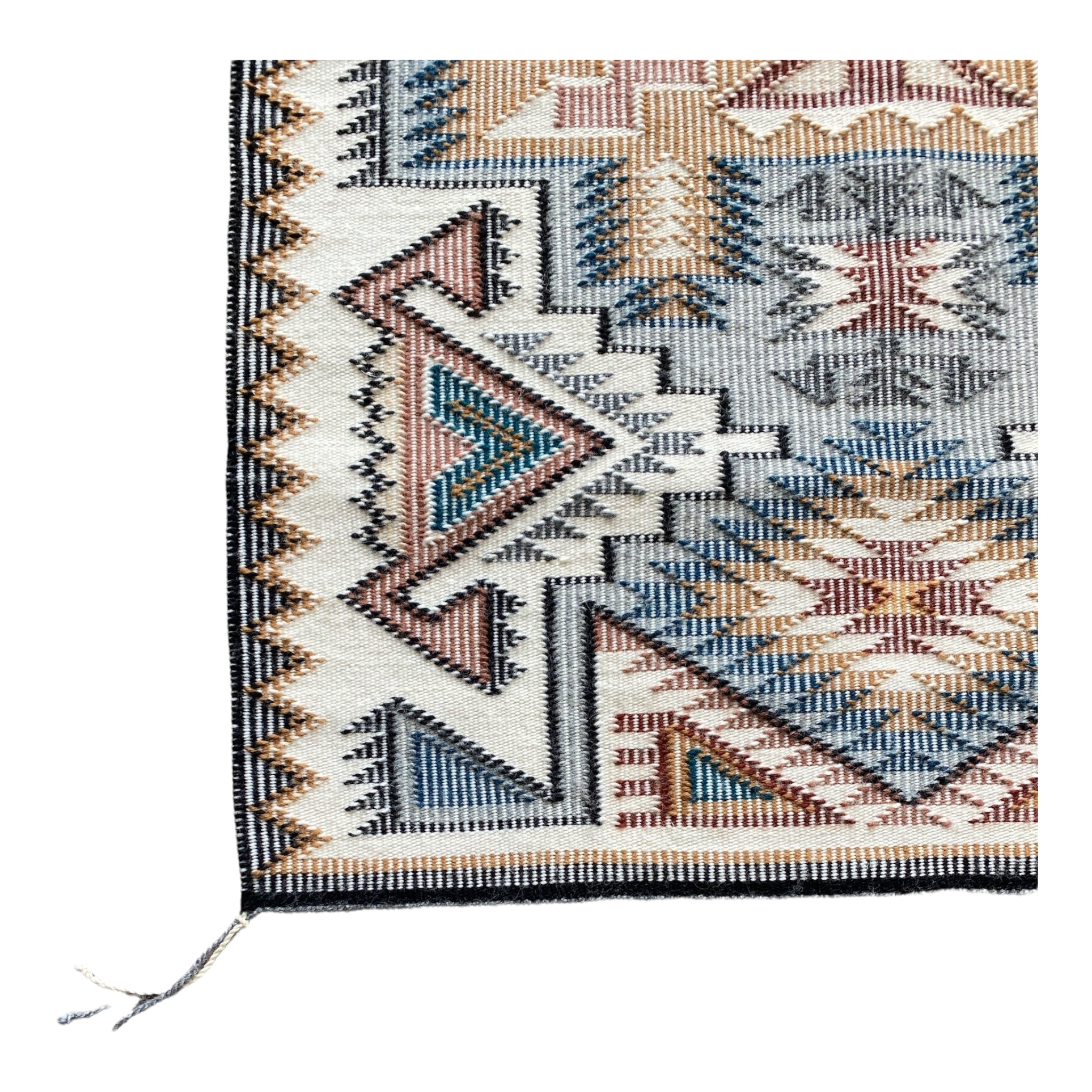
The style originated in the mid-20th century among weavers in the Coal Mine Mesa and Tuba City areas of the western Navajo Nation. Working under the influence of local traders, these weavers developed an entirely new technique: by alternating single weft threads of two contrasting colors at the edges of each design element, and wrapping the yarn back over the warp threads at color transitions, they created a raised ridge that gives the outlines of the design an almost three-dimensional quality — as if the geometric forms are emerging from the surface of the textile rather than sitting flat within it. No other regional style in Navajo weaving achieves this effect, and the additional technical complexity it demands places these weavings in a category of their own.
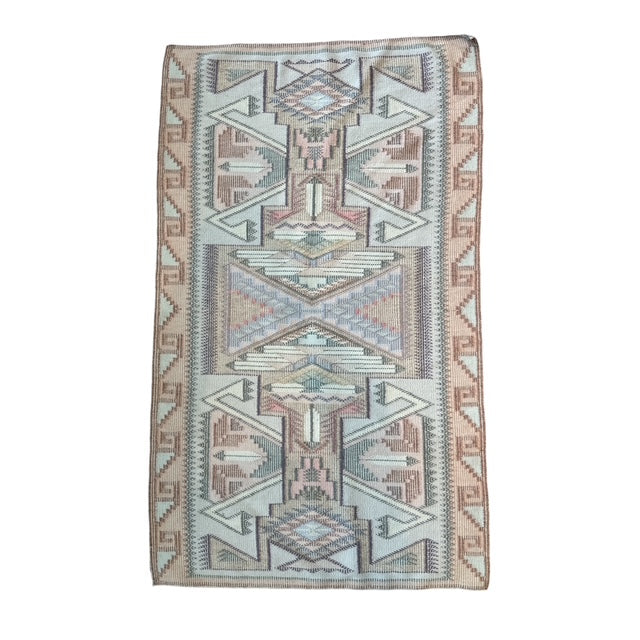
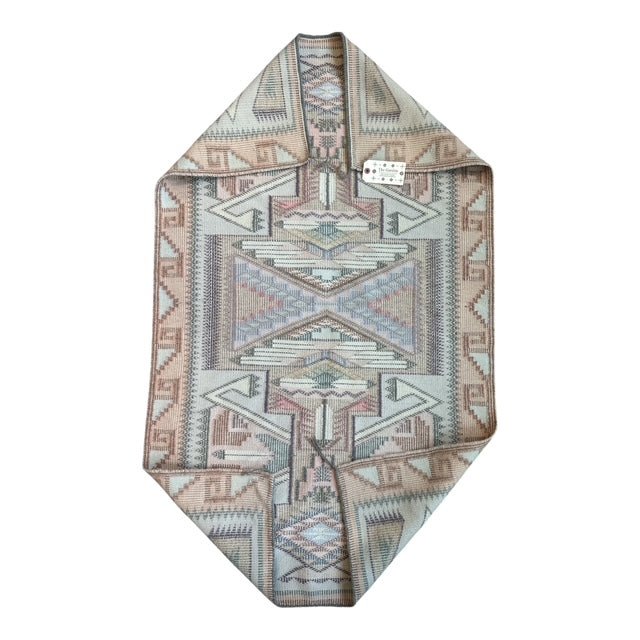
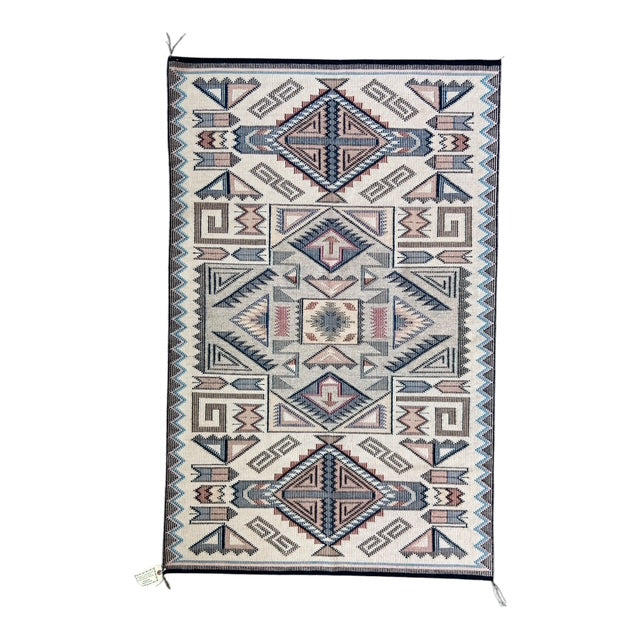
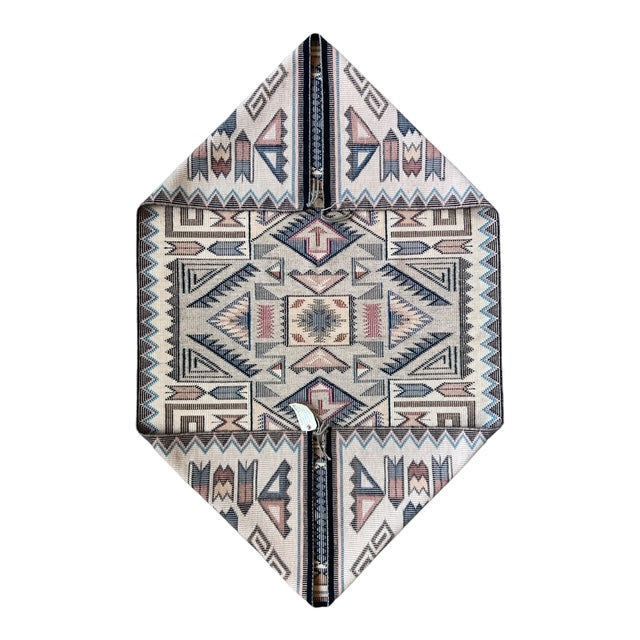
The tradition's second chapter began with an act of political displacement. When the 1974 Navajo-Hopi Land Settlement Act reassigned Coal Mine Mesa to the Hopi Reservation, the Navajo weavers of that region were relocated to a new area south of Sanders, Arizona — called the New Lands. They brought their raised outline technique with them, and under the influence of trader Bruce Burnham — who also played a foundational role in the development of the Burntwater style — the New Lands weavers fused their raised outline method with Teec Nos Pos geometric design elements and the soft pastel vegetal dye palette of the neighboring Wide Ruins and Burntwater traditions. The result is a three-way hybrid that is visually complex, technically demanding, and among the most collectible contemporary Navajo weaving styles available today.
For the collector interested in technical innovation, regional provenance, and the living history of Navajo weaving, Raised Outline and New Lands weavings represent one of the most rewarding areas of focus. The Gordon Collection's Telluride gallery carries a more extensive selection than appears online — contact us for photographs, dimensions, and condition details on any specific piece.